
 English
 中文简体
中文简体 Español
Industry News
Does PVC decking get hot in the sun?
Content
PVC decking is the premier solution for homeowners seeking a virtually maintenance-free outdoor living space without compromising on durability or aesthetics. Unlike traditional wood or even composite materials that blend wood fibers with plastic, PVC (Polyvinyl Chloride) is 100% synthetic. This fundamental difference results in a surface that is impervious to water, highly resistant to mold and mildew, and exceptionally durable against the elements. While the initial investment is higher than pressure-treated lumber, the long-term savings on staining, sealing, and replacement boards make it the most cost-effective option over the lifespan of the deck. For those prioritizing longevity and minimal upkeep, PVC is the definitive answer.
Understanding the Material: What Sets PVC Apart
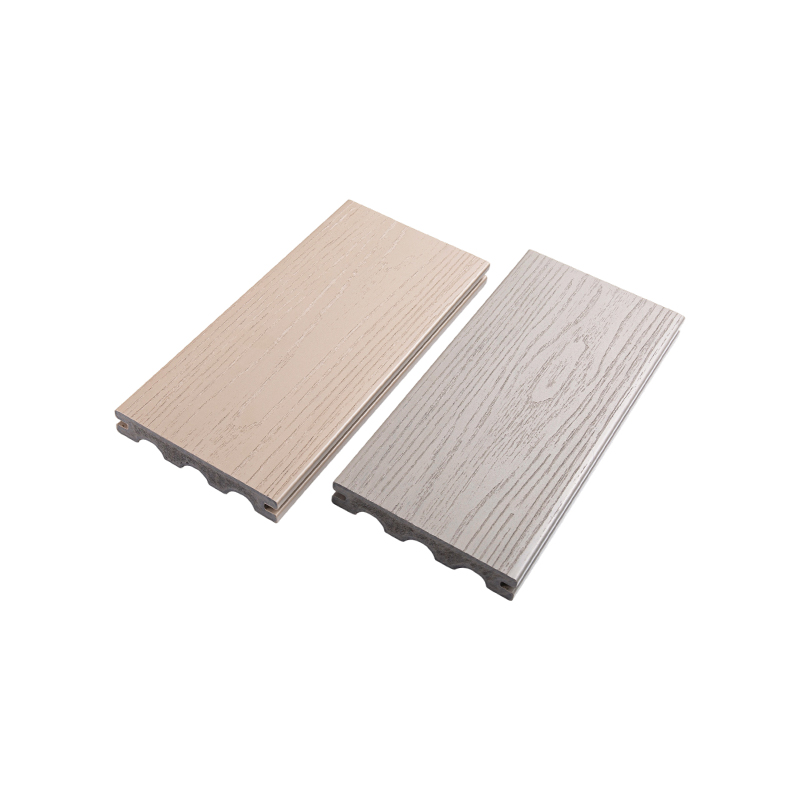
To fully appreciate the value of PVC decking, one must understand its composition. It is a solid cellular PVC, meaning it contains no organic wood fibers. This distinction is critical because it eliminates the primary food source for mold and the tendency of wood-based composites to absorb moisture.
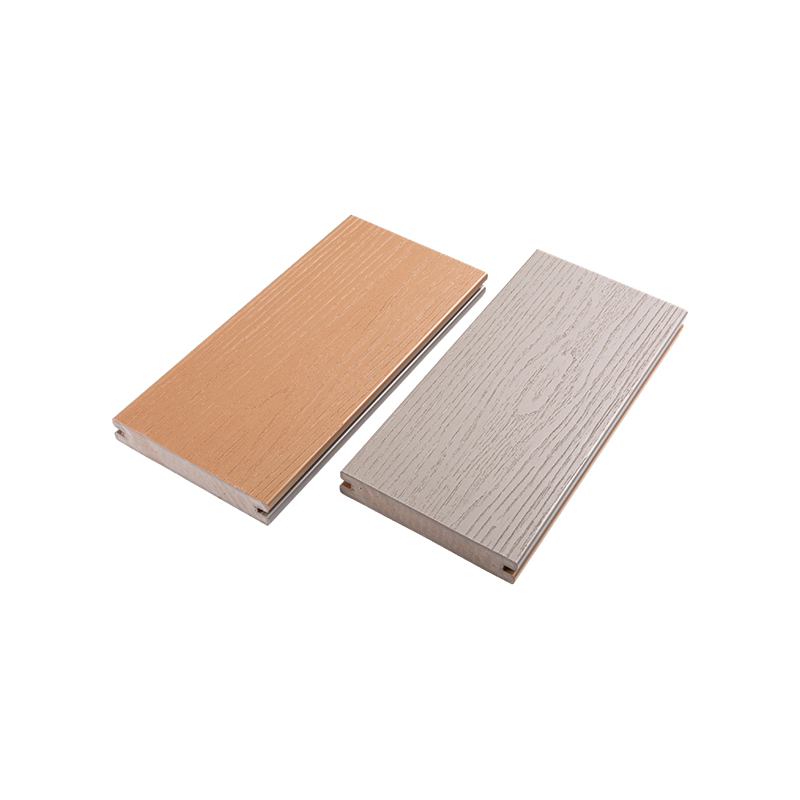
The material is engineered from a specially formulated, rigid PVC that resists impacts and scratching. Because it is entirely synthetic, the color is consistent throughout the entire thickness of the board. This means that even if the surface is scratched, the color beneath remains the same, making deep blemishes nearly invisible compared to capped products where a different core might be exposed.
Core Benefits of 100% Synthetic Construction
- Complete resistance to water absorption, preventing swelling or warping.
- No organic fillers to rot, decay, or provide a habitat for termites.
- Superior dimensional stability in extreme temperature fluctuations.
Unmatched Durability Against the Elements
One of the most compelling reasons to choose PVC is its ability to withstand harsh weather conditions that would rapidly deteriorate other materials. From the scorching heat of summer to the freezing winters, PVC decking maintains its structural integrity.
Traditional wood decking is prone to cracking, splitting, and checking as it dries out or absorbs moisture. PVC, however, expands and contracts at a predictable rate without suffering structural damage. Furthermore, modern manufacturing processes include additives that protect the material from UV rays, ensuring that the boards do not fade to a dull gray over time. This UV resistance ensures that the rich, vibrant color chosen at installation remains for years to come.
Resistance to Pests and Mold
Wood is a natural food source for insects and fungi. PVC offers no nutritional value to termites, carpenter ants, or other wood-boring insects. Additionally, because PVC does not retain moisture, mold and mildew cannot take root on the surface easily. While mold can grow on dirt or pollen that sits on top of any deck, a simple cleaning with soap and water removes it from PVC effortlessly, unlike porous wood where mold spores penetrate deep into the grain.
A Low-Maintenance Lifestyle
The most significant advantage of PVC decking is the freedom it provides from the relentless maintenance cycle required by wood. There is no need for annual staining, painting, or sealing. A wood deck demands hours of labor every year to prevent it from turning gray and rotting; a PVC deck requires only periodic cleaning to remove dirt and debris.
Routine Cleaning Requirements
Maintaining a PVC deck is as simple as using a garden hose and a soft brush. For tougher stains, a mild soap and water solution is usually sufficient. This ease of cleaning allows homeowners to spend more time enjoying their outdoor space and less time working on it.
- Remove debris from the surface and between gaps using a broom.
- Rinse the surface with a garden hose to wash away loose dirt.
- Scub stubborn spots with a soft bristle brush and soapy water.
- Rinse thoroughly and let air dry.
Aesthetics and Design Versatility
Early generations of plastic decking looked artificial and cheap, but technology has evolved dramatically. Today’s PVC decking boasts high-definition wood grain patterns and rich, varied color tones that mimic the natural beauty of hardwoods like teak, mahogany, and cedar, without the environmental impact of harvesting tropical trees.
Manufacturers use advanced embossing techniques to create texture that not only looks real but feels comfortable underfoot. This texture also provides slip resistance, a crucial safety feature in wet areas around pools or hot tubs. The design versatility extends to the color options, which range from warm earth tones to cool grays, allowing homeowners to match their deck to their home’s exterior architecture perfectly.
Cost vs. Value: A Long-Term Perspective
It is undeniable that the upfront cost of PVC decking is higher than that of pressure-treated wood and is generally comparable to or slightly higher than high-end composites. However, evaluating cost based solely on the initial price tag is shortsighted.
To understand the true value, one must consider the "cost of ownership" over 25 years. When you factor in the cost of annual deck cleaners, stains, sealants, and the labor required to apply them—plus the cost of replacing rotted boards—a wood deck can end up costing significantly more than a PVC deck over time. PVC decking offers a fixed cost: the price you pay at installation is likely the last major dollar you will spend on your deck for decades.
| Feature | Pressure-Treated Wood | Composite Decking | PVC Decking |
|---|---|---|---|
| Moisture Resistance | Low (Prone to rot/warp) | Medium (Can absorb moisture) | High (100% Waterproof) |
| Maintenance Needs | High (Annual staining) | Low (Periodic cleaning) | Minimal (Basic cleaning) |
| Lifespan | 10-15 years | 20-25 years | 25+ years |
| Color Fading | Significant | Moderate | Minimal |
Installation and Structural Integrity
While PVC is a durable material, its installation requires attention to detail due to its thermal expansion and contraction properties. Unlike wood, which expands mostly across its width, PVC expands and contracts significantly along its length. Installers must leave proper gaps at the ends of boards and use hidden fastening systems designed to allow for this movement.
When installed correctly, the result is a smooth, fastener-free surface that enhances both safety and beauty. The lack of surface screws eliminates the risk of splinters and injuries from popped-up nails, creating a safe environment for barefoot traffic and children.
Hidden Fastener Systems
The use of hidden fasteners is a standard practice in modern PVC decking. These clips attach to the joists and slide into the grooves on the sides of the deck boards. This method not only provides a clean look but also ensures proper gapping between boards, promoting drainage and airflow underneath the deck structure.
Safety and Comfort Underfoot
Beyond durability and looks, safety is a paramount concern for any outdoor flooring. PVC decking excels in this area due to its slip-resistant texture. Even when wet, the embossed surface provides traction that surpasses smooth wood or painted surfaces.
Additionally, PVC is cooler to the touch than many composite materials because it does not retain as much heat. While it will still get warm in direct sunlight, high-quality PVC formulations are designed to reflect heat rather than absorb it, making it more comfortable for walking on during hot summer days compared to darker composite options.
The Environmental Perspective
For environmentally conscious consumers, PVC decking offers a surprising benefit. Because it lasts significantly longer than wood, fewer resources are used over time for repairs and replacements. Furthermore, high-quality PVC decking is often recyclable at the end of its extremely long life, whereas pressure-treated wood laden with chemicals is often destined for landfills.
While the production of PVC involves chemicals, the elimination of toxic wood preservatives (like arsenic and copper used in treated lumber) and the reduction of deforestation contribute to a balanced environmental profile. The longevity of the product means that the carbon footprint associated with manufacturing is amortized over a much longer period.

An interior and exterior panel company dedicated to the environmental protection technology research of recyclable materials.
Address
- No. 18, Dexing Road, West District, Guangde Economic Development Zone, Xuancheng City, Anhui Province, China
Quick Menu
Get in Touch
Copyright ©Anhui Airuites New Material Co.,Ltd. All Rights Reserved. Privacy Custom Recyclable Indoor And Outdoor Panels Manufacturer
