
 English
 中文简体
中文简体 Español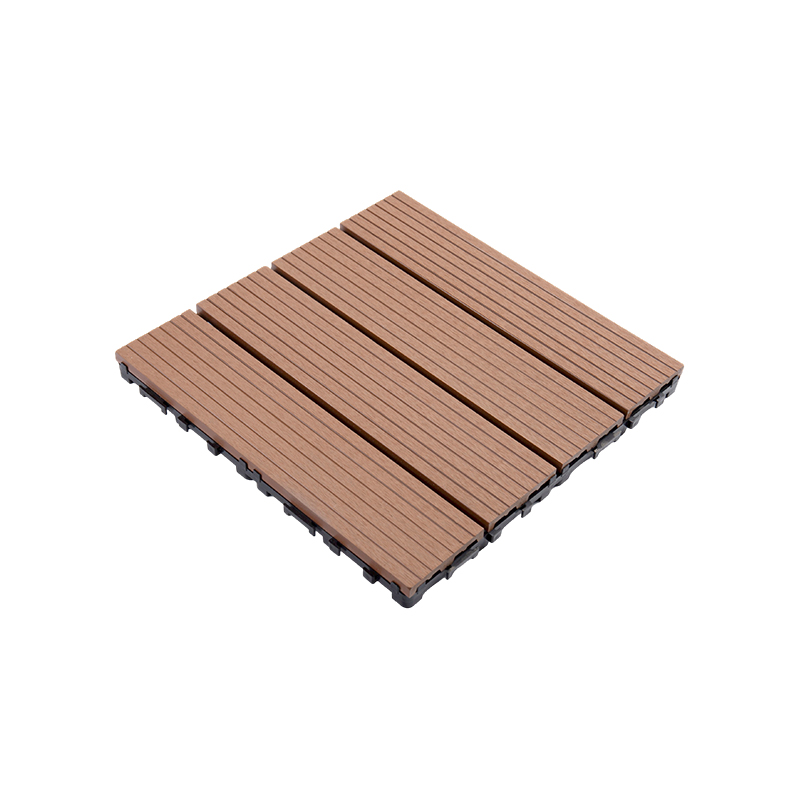
WPC wall panels are water-resistant, but they are not waterproof in the way a sheet of PVC or ceramic tile is. The composite core shrugs off humidity, splashes and daily wipe-downs far better than solid wood, yet standing water and prolonged soaking will still find their way in through cut edges, seams and f...
READ MORE
Premium PVC&ASA Decking Wholesale
ASA Outdoor PVC Decking Suppliers
CATEGORIES
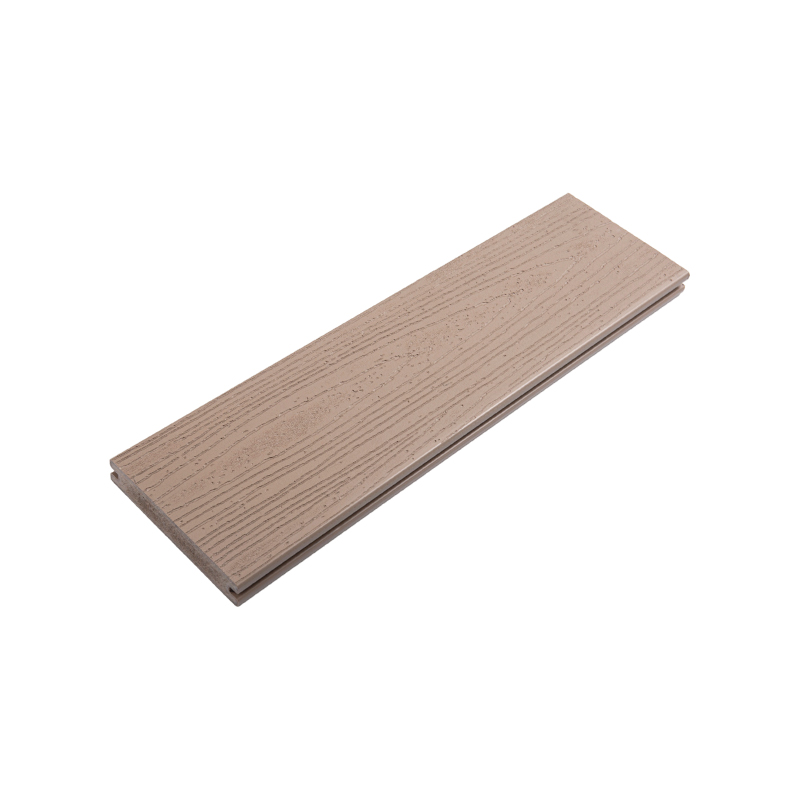
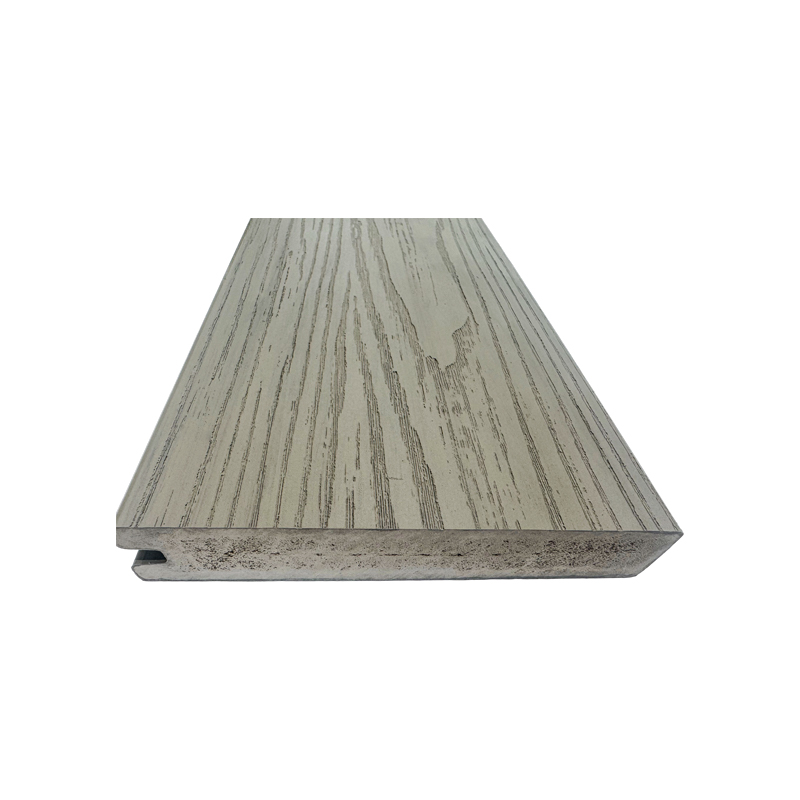
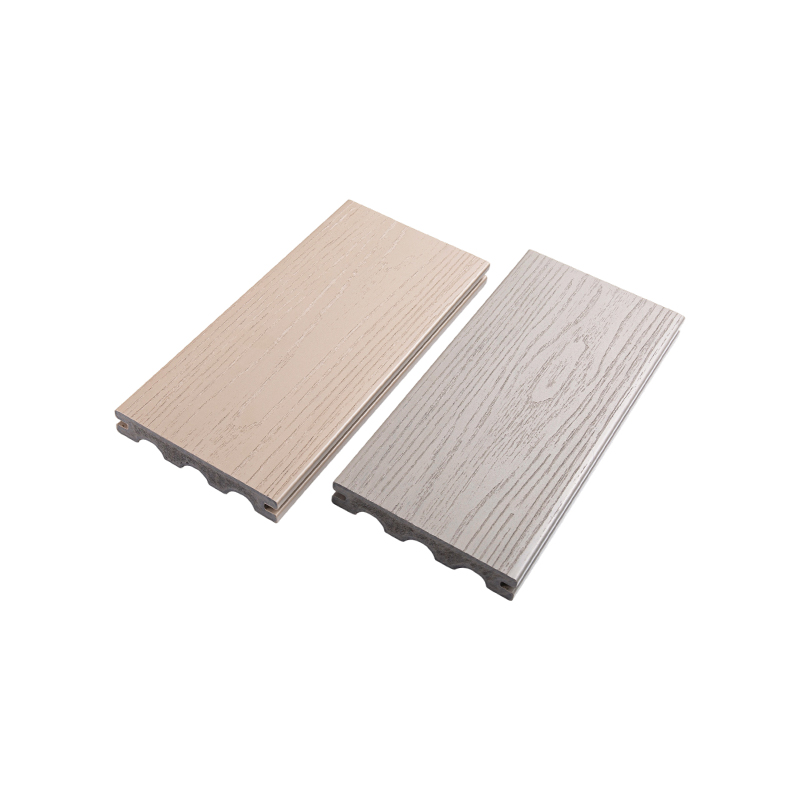
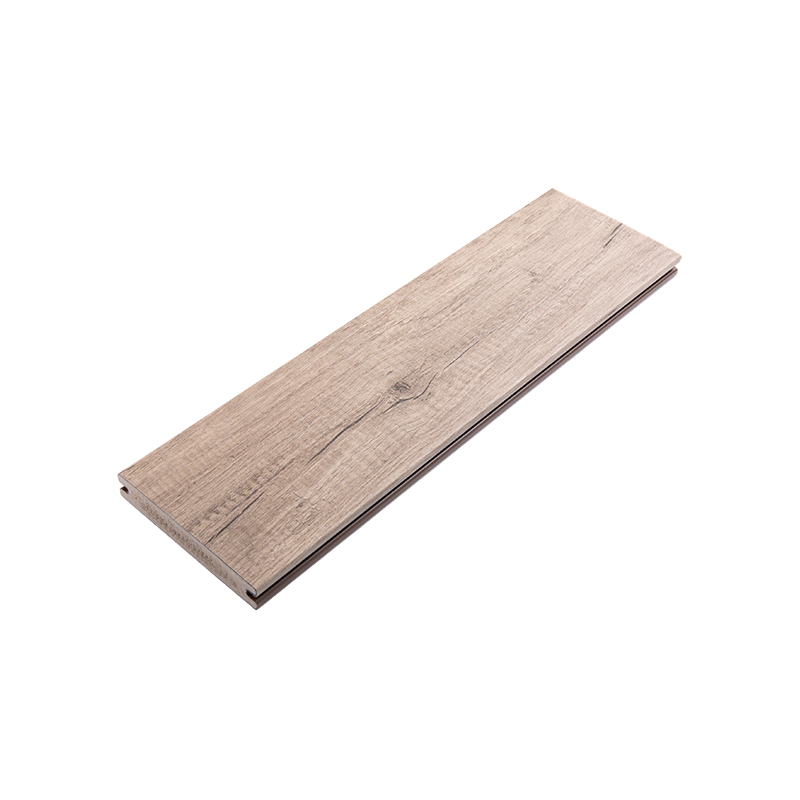
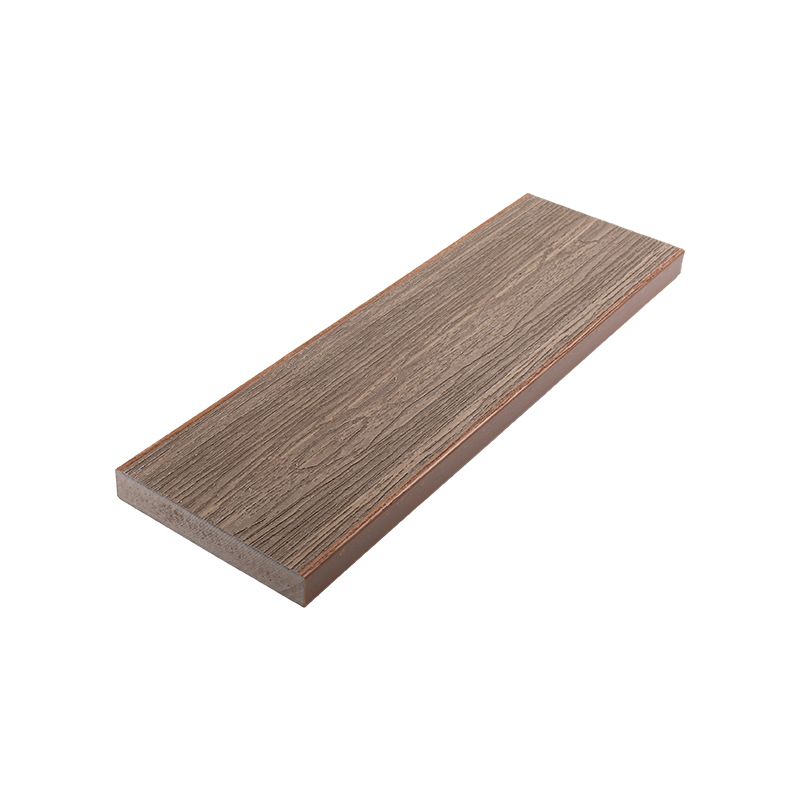
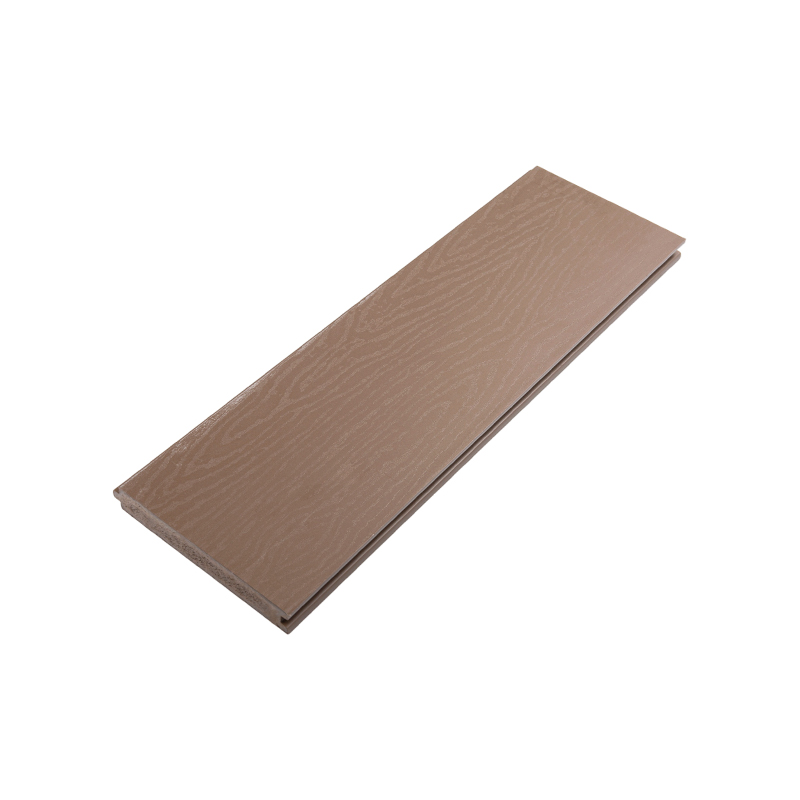
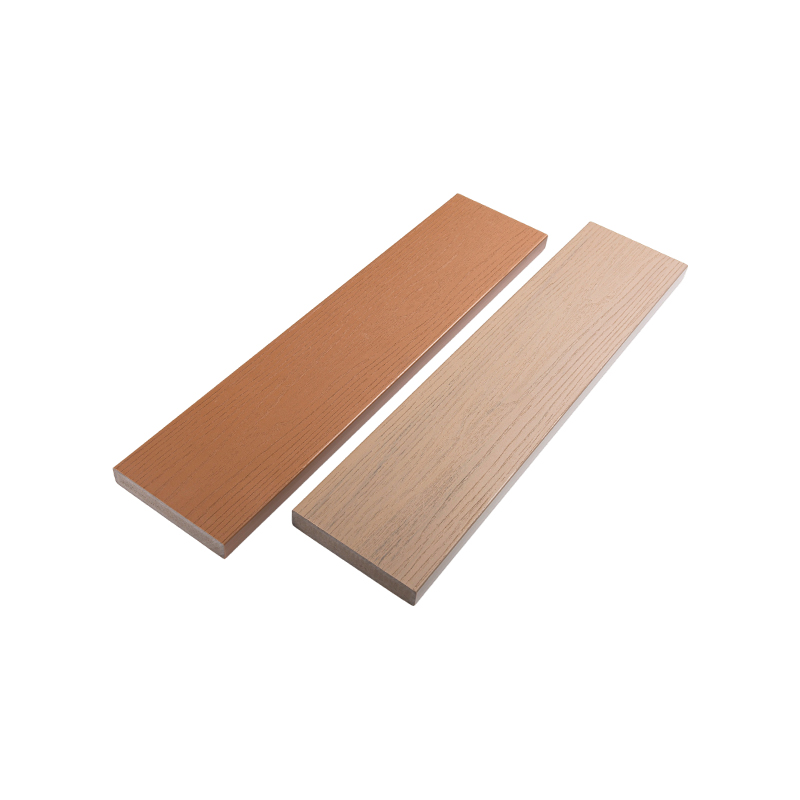
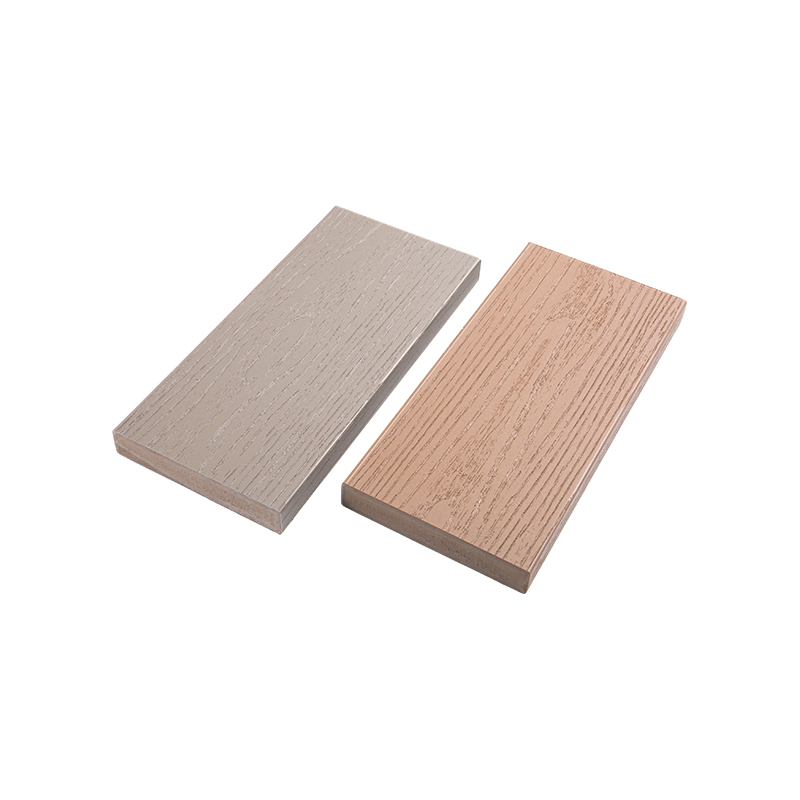
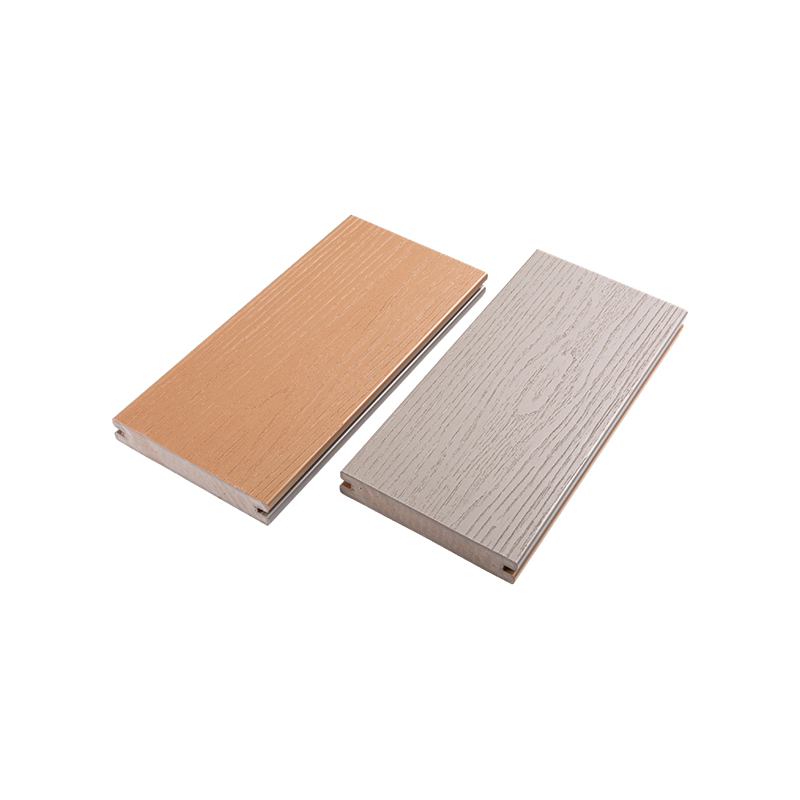
Polyvinyl chloride (PVC) outdoor flooring is a high-quality ground material that is environmentally friendly, durable, and aesthetically pleasing. Specifically designed for outdoor environments, it is suitable for a variety of outdoor spaces, including patios, courtyards, and commercial plazas. Featuring a solid profile, this flooring has exceptional bending strength, which effectively prevents warping and rotting. It also provides excellent resistance to moisture, mildew, chipping, cracking, and peeling, ensuring stability and a beautiful appearance even after long-term use. The surface of the PVC flooring is protected by an ASA full-cap technology, originally developed for the automotive industry. This technology allows the material to withstand prolonged exposure to strong sunlight and UV radiation, guaranteeing colorfastness for 20 years with lasting, vibrant color. The surface is also embossed to achieve a P5 anti-slip rating, offering a safer walking experience that is especially beneficial for households with elderly people and children. In addition, the PVC flooring has passed US standard ASTM E84 and Australian BAL29 flame spread tests, demonstrating good fire resistance and meeting international safety standards.
About Airuites
Anhui Airuites New Material Co.,Ltd.
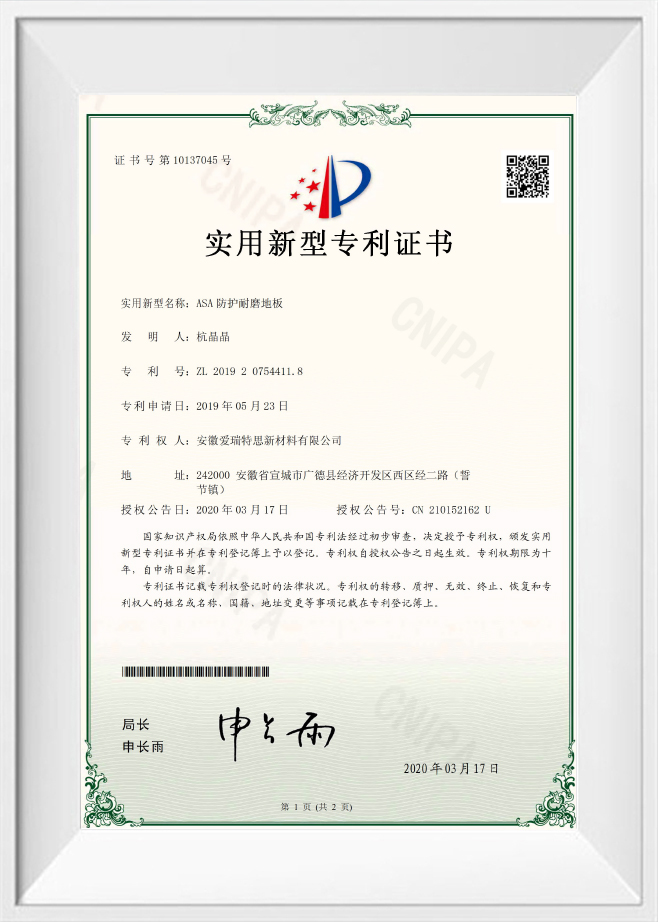
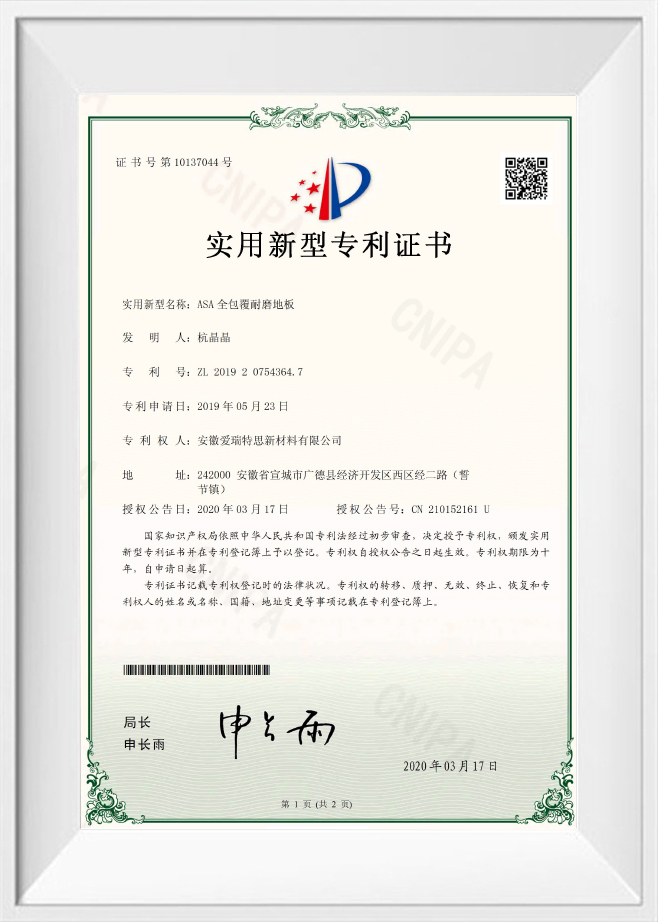
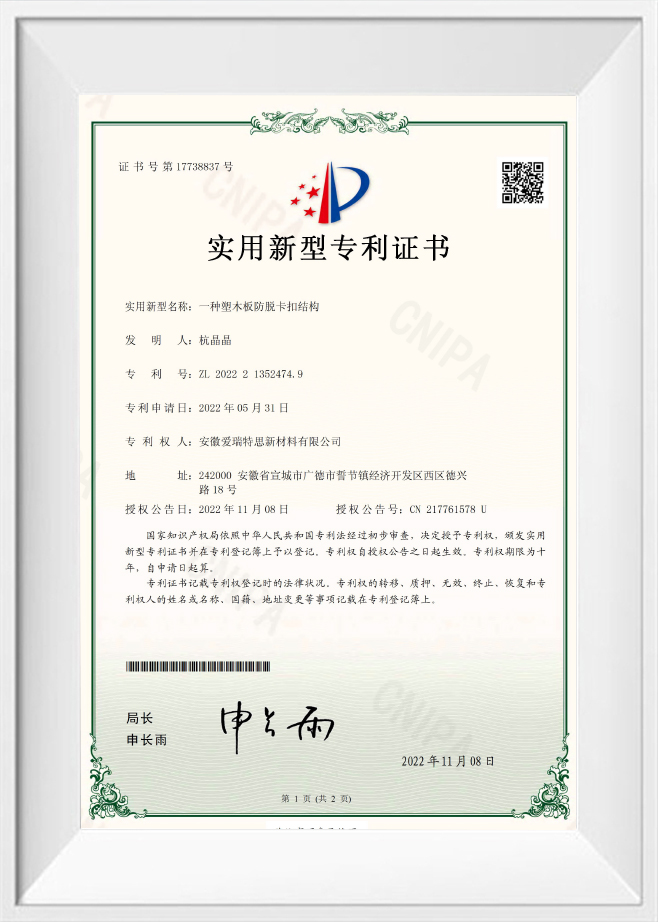
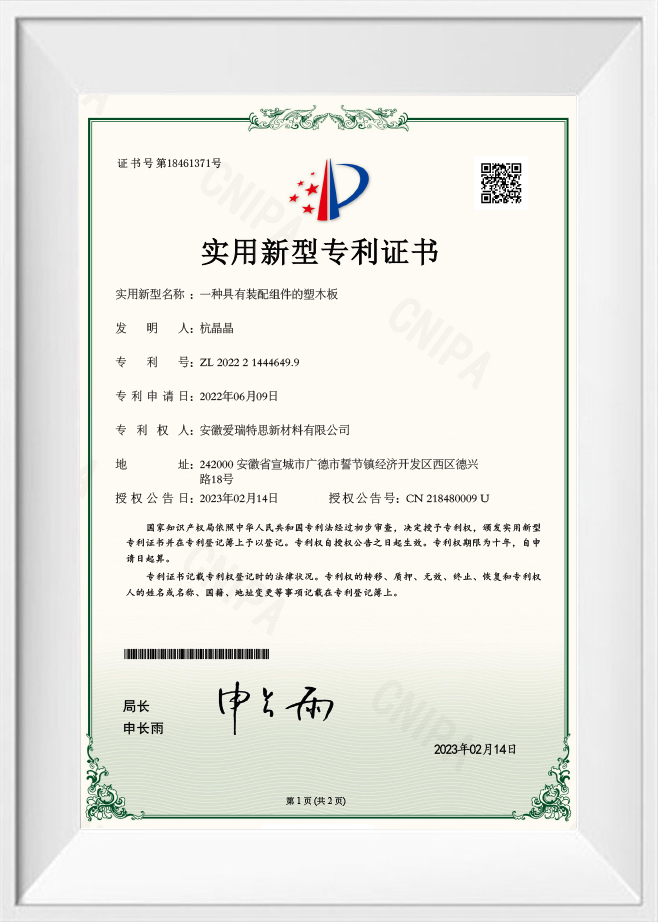
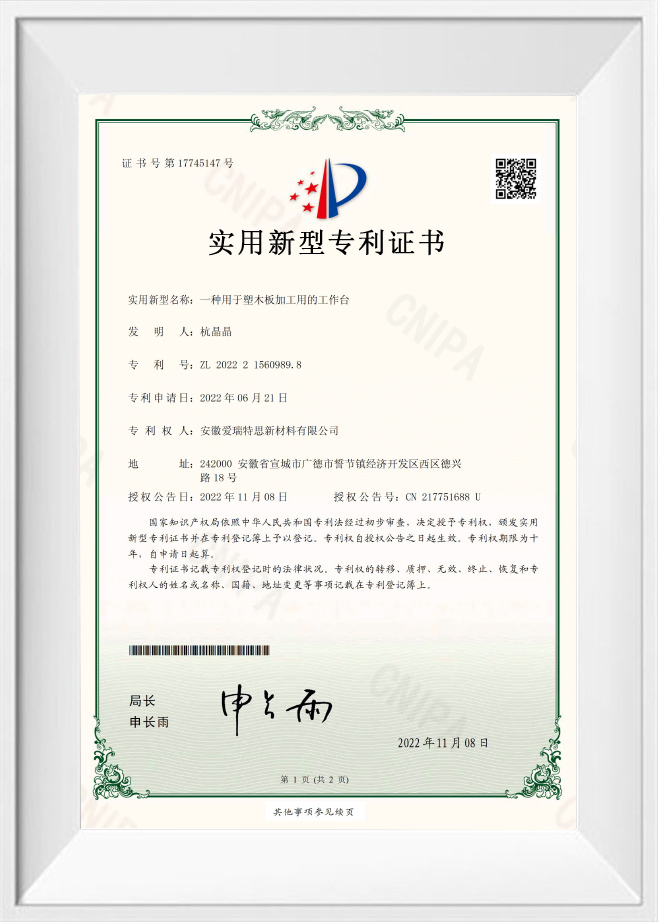
We are committed to the research and application of new, environmentally friendly materials. Founded in September 2017, the registered address is located at No. 18, Dexing Road, West District, Guangde Economic Development Zone, covering an area of 30 acres. It was put into production in December 2019. We are China Wholesale ASA Outdoor PVC Decking Supplier and OEM/ODM ASA Outdoor PVC Decking Factory. The company's main business is plastic extrusion products. It has developed high-end indoor and outdoor panels to create new market demand. At the same time, with our rich production experience and technical advantages, Airuites has successfully launched sales in the United States, Canada, Australia, Japan, and the local market, and gradually occupied a leading position in the industry.
-
-
Short answer: for most outdoor residential decks, PVC decking is the better long-term choice than wood, provided you compare a capped or solid PVC board against a natural wood deck. PVC does not rot, does not feed termites, holds its colour without annual sealing, and cleans up with soap and water. Wood give...
READ MORE -
WPC outdoor wall panels are a durable, low-maintenance cladding material made from wood fiber and thermoplastic resin, and they outperform natural wood siding in moisture resistance, insect protection, and long-term upkeep. If you want the warm, textured look of timber without yearly sanding, sealing, or rep...
READ MORE
What ASA Full-Cap Co-Extrusion Actually Does to a PVC Deck Board?
The distinction between a surface-coated PVC board and a full-cap ASA co-extruded one is not cosmetic — it is structural. In a full-cap process, the ASA polymer layer is bonded to the PVC core during extrusion under heat and pressure, forming a monolithic cross-section rather than a laminate. This means the cap cannot delaminate, peel, or be worn through in the way that painted or film-applied surface finishes eventually are. The ASA layer wraps all four sides of the board profile, preventing moisture from wicking into exposed cut edges — a failure point that affects capped-top-only products over time.
ASA polymer was originally engineered for automotive exterior trim because it combines UV stability with impact resistance at low temperatures — properties that standard ABS lacks outdoors. On a deck board, this translates to a surface that retains gloss, color depth, and texture definition after years of freeze-thaw cycling and direct sun exposure. ASA outdoor PVC decking manufactured with automotive-grade ASA formulations can demonstrate delta-E color shift values below 3.0 after 3,000 hours of QUV-A accelerated weathering — a threshold corresponding to over a decade of real-world southern exposure. At Anhui Airuites New Material Co., Ltd., the ASA full-cap technology applied across the product range was adopted specifically to meet the durability expectations of buyers in high-UV markets including Australia, Japan, and the US Sun Belt.
How Solid-Profile Construction Prevents the Warping and Rot That Plague Hollow Boards
Profile geometry — solid versus hollow versus foam-core — determines how a deck board responds to the stresses of outdoor installation over time. Hollow-profile boards save material cost but introduce structural compromises: the unsupported spans between internal walls create flex points that concentrate stress at fastener locations, eventually causing cracking or pull-through under repeated foot traffic and thermal cycling. Foam-core boards are lightweight but sacrifice bending strength, making them unsuitable for spans greater than 300–400 mm between joists without supplemental support.
A solid-profile PVC core eliminates both failure modes. Uniform mass distribution across the cross-section prevents the differential expansion that causes cupping and bowing — the board expands and contracts as a single unit rather than having outer surfaces move independently of a hollow interior. Solid profiles also deliver superior fastener pullout resistance, which is critical in wind-load applications such as elevated decks, coastal installations, and rooftop terraces where uplift forces act on every fixing point. For specifiers working to AS 1684 (Australian timber framing code) equivalent load ratings or to IBC Chapter 16 requirements, solid-profile PVC performs more predictably under engineering calculations than hollow alternatives. Anhui Airuites applies solid-profile extrusion as the structural standard across its outdoor flooring line, which is reflected in the bending strength performance data available to buyers on request.
Reading Fire Certification Requirements Across Export Markets
Fire compliance for outdoor decking is more market-specific than most product categories, and the gap between certification systems creates real procurement friction for distributors managing multi-country inventory. The two most consequential frameworks for PVC decking exports are ASTM E84 (North America) and BAL 29 (Australia).
ASTM E84 measures surface burning characteristics — specifically Flame Spread Index (FSI) and Smoke Development Index (SDI) — using a tunnel furnace test. Class A classification (FSI ≤ 25, SDI ≤ 450) is the threshold required for decking used in IBC-governed commercial projects and multi-unit residential construction across the US and Canada. Products without a valid ASTM E84 Class A report cannot be submitted for building permit approval on these project types, regardless of other performance attributes.
BAL 29 certification under AS 3959 governs materials used in designated bushfire-prone areas — a land classification covering a substantial portion of Australia's populated eastern and southern regions. BAL ratings run from BAL-LOW through BAL-FZ (Flame Zone); BAL 29 is the mid-range threshold required for construction in areas with elevated but not extreme bushfire risk. Holding concurrent ASTM E84 and BAL 29 certification means a single product can be sold into both markets without reformulation. We have secured both certifications for our ASA outdoor PVC decking range, which simplifies documentation for importers managing compliance across multiple jurisdictions.
Thermal Expansion Management in Outdoor PVC Deck Installations
PVC has a higher coefficient of linear thermal expansion (CLTE) than timber or aluminum — typically in the range of 50–80 × 10⁻⁶ /°C depending on formulation and filler loading. In practical terms, a 4-meter PVC deck board can expand or contract by 8–16 mm across a seasonal temperature range of 40°C. Ignoring this movement in installation design results in buckling in summer or gapping and fastener pullout in winter — both of which are preventable with correct gap specification.
The standard installation approach uses hidden clip fasteners with a pre-set gap width of 5–8 mm between boards, combined with a 10–15 mm expansion allowance at board ends where they meet fixed structures such as walls, posts, or fascia boards. For runs exceeding 6 meters, a mid-run expansion joint is recommended to prevent cumulative movement from building up to a magnitude that overcomes fastener friction. Dark-colored boards in high-solar-radiation environments absorb more heat and will reach higher peak temperatures than light boards — a color selection factor that is relevant to expansion gap specification and is worth communicating to installers at the point of sale. Anhui Airuites provides installation technical documentation covering gap specifications for different climate zones and color ranges as standard with product orders.

An interior and exterior panel company dedicated to the environmental protection technology research of recyclable materials.
Address
- No. 18, Dexing Road, West District, Guangde Economic Development Zone, Xuancheng City, Anhui Province, China
Quick Menu
Get in Touch
Copyright ©Anhui Airuites New Material Co.,Ltd. All Rights Reserved. Privacy Wholesale ASA Outdoor PVC Decking Supplier
