
 English
 中文简体
中文简体 Español
WPC wall panels are water-resistant, but they are not waterproof in the way a sheet of PVC or ceramic tile is. The composite core shrugs off humidity, splashes and daily wipe-downs far better than solid wood, yet standing water and prolonged soaking will still find their way in through cut edges, seams and f...
READ MORE
Stair treads Wholesale
PVC Stair Treads Suppliers
CATEGORIES
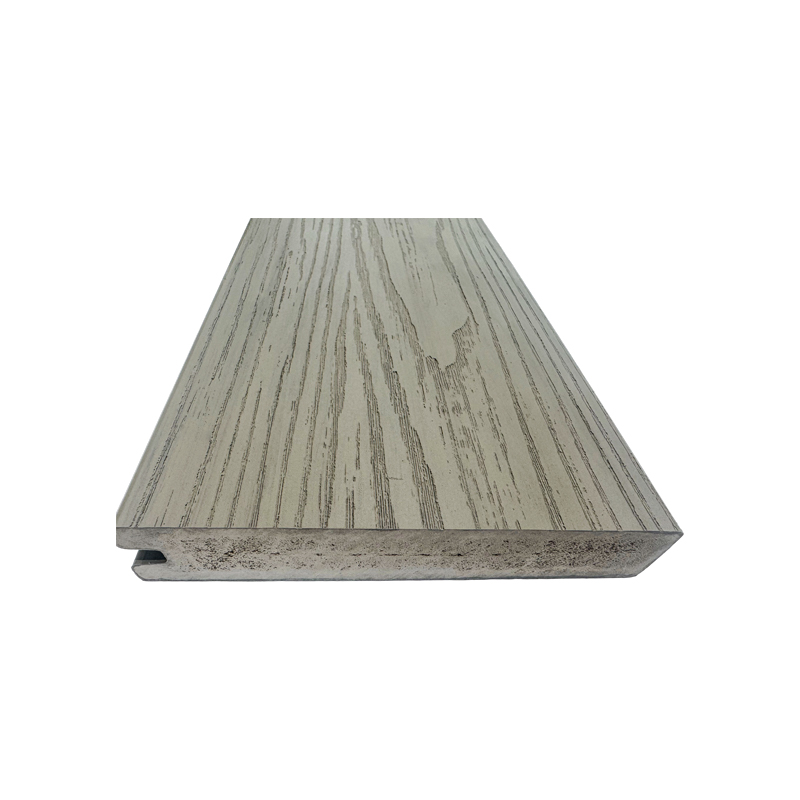
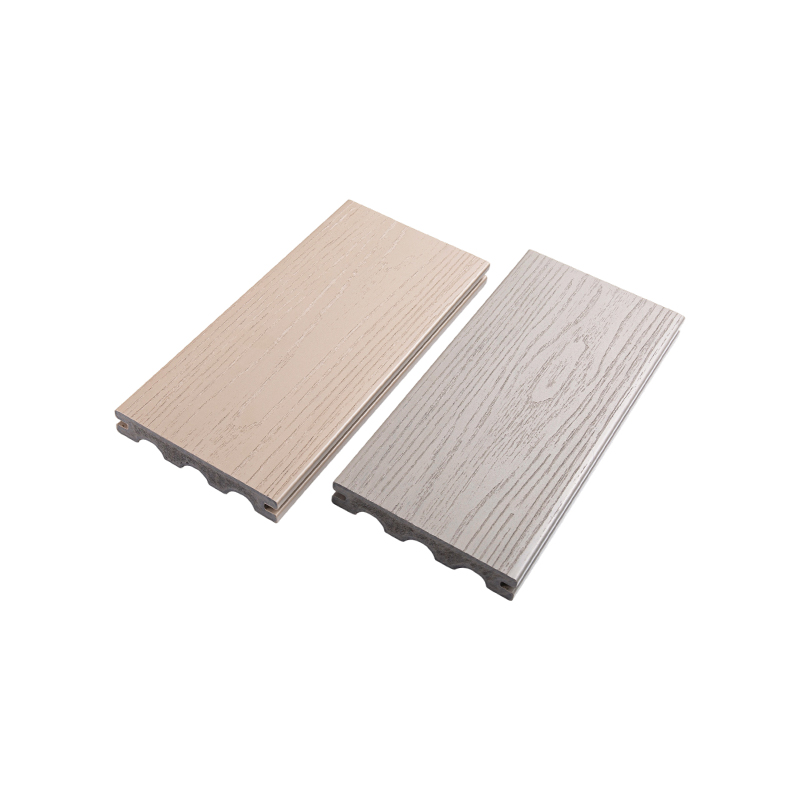
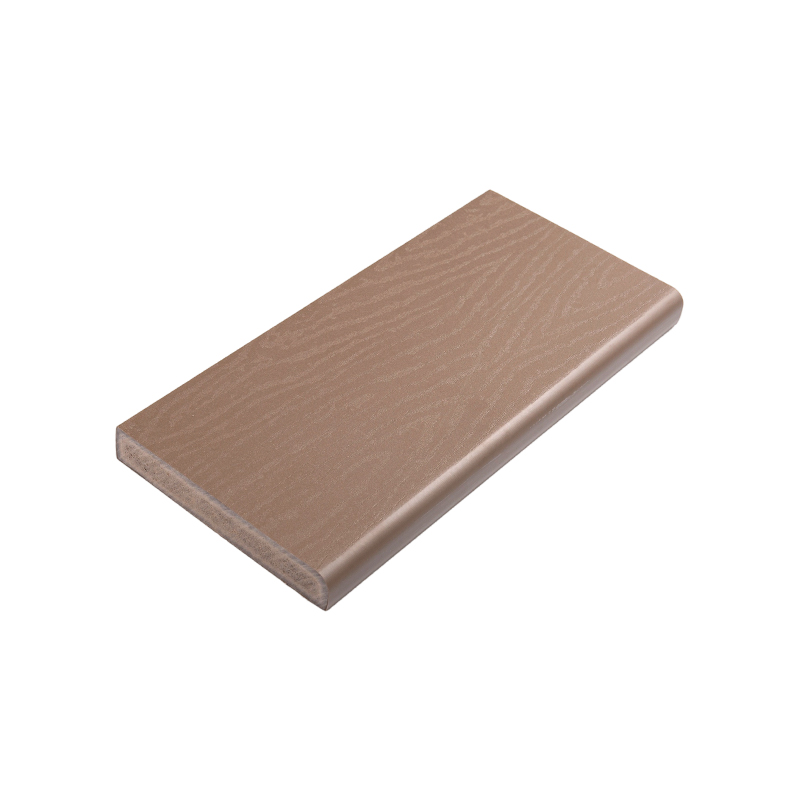
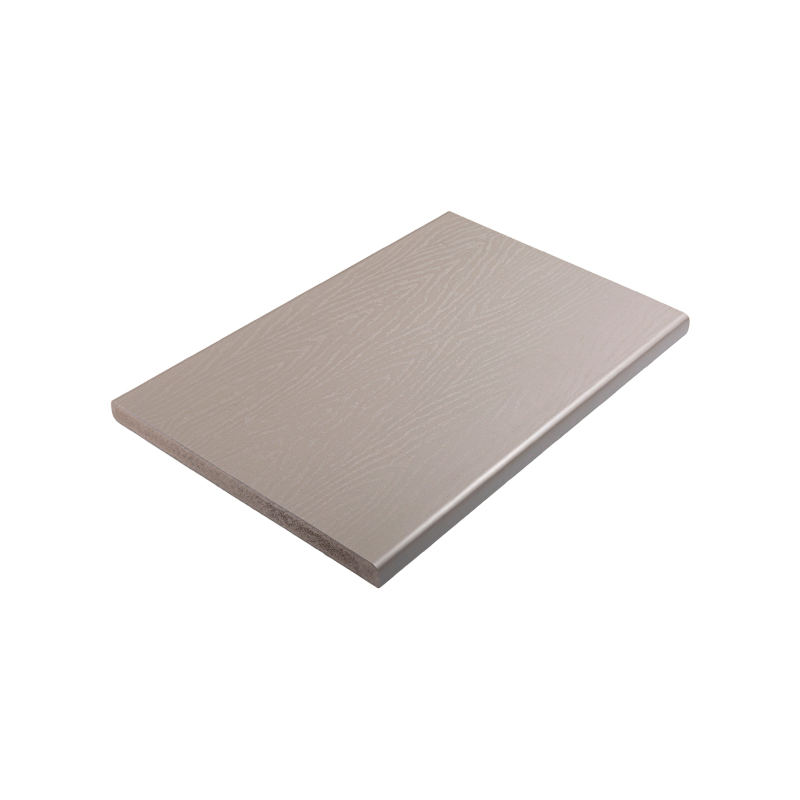
Crafted with a solid profile, PVC stair treads offer exceptional bending strength, effectively preventing warping and decay. They are also highly resistant to moisture, mildew, chipping, cracking, and peeling, ensuring long-term stability and safety.
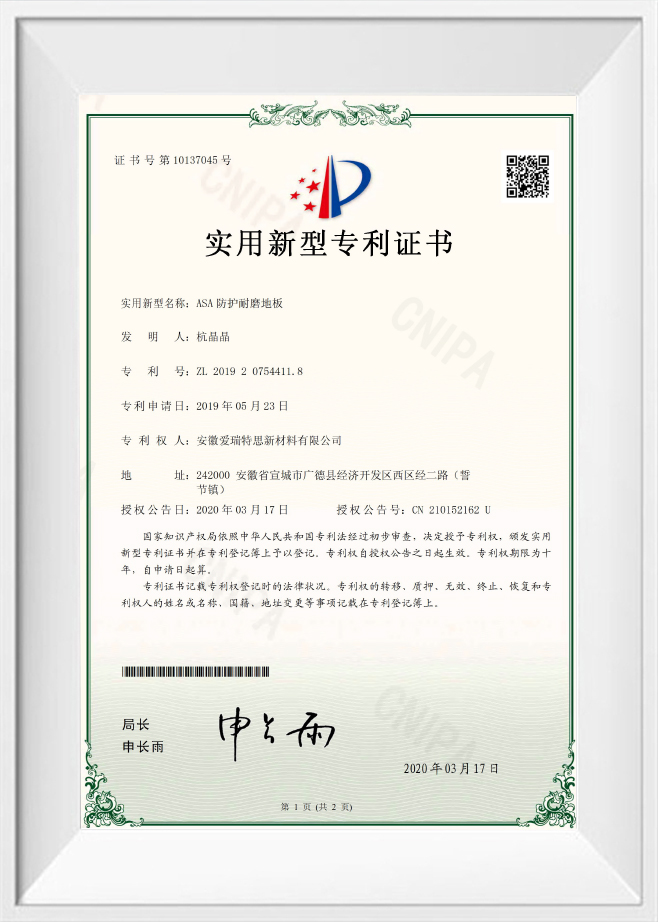
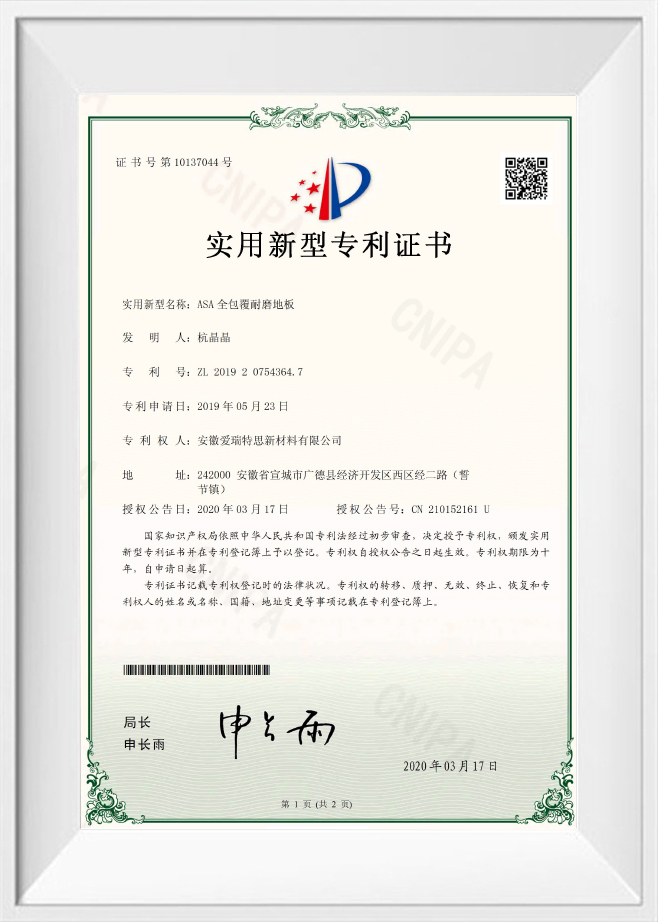
The surface is protected by ASA full-cap technology, a feature originally developed for the automotive industry. This gives the treads outstanding weather resistance and UV protection, guaranteeing a colorfast finish for 20 years. The embossed surface provides a P5 anti-slip rating, significantly enhancing safety, especially in wet conditions.
Our PVC stair treads have passed US standard ASTM E84 and Australian BAL29 flame spread tests, meeting international fire safety standards. This means they are self-extinguishing in a fire, reducing smoke and toxic fumes. The treads are also eco-friendly, free of formaldehyde, benzene, heavy metals, and other harmful substances, meeting the high health and safety standards of modern construction.
About Airuites
Anhui Airuites New Material Co.,Ltd.
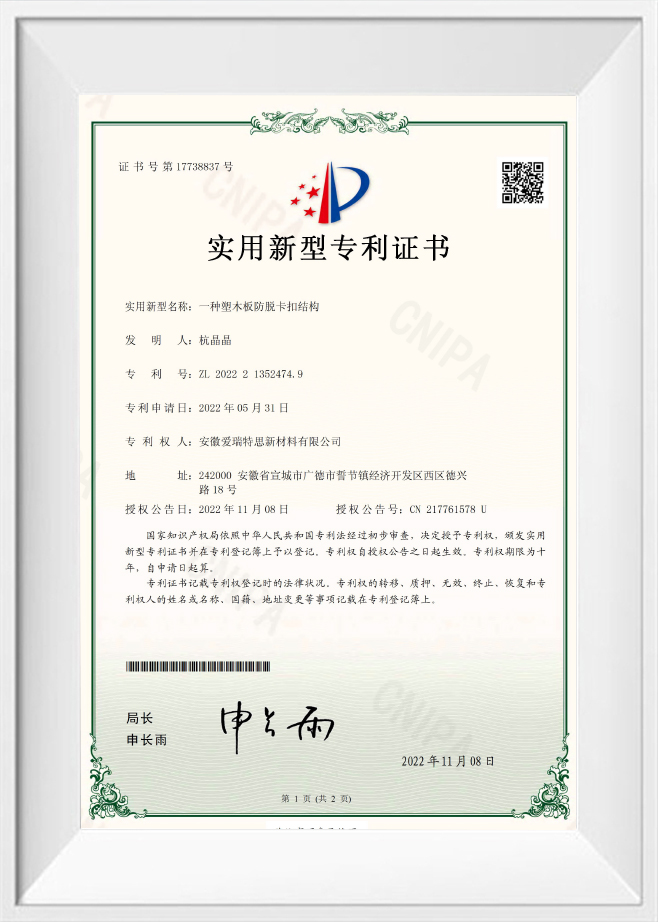
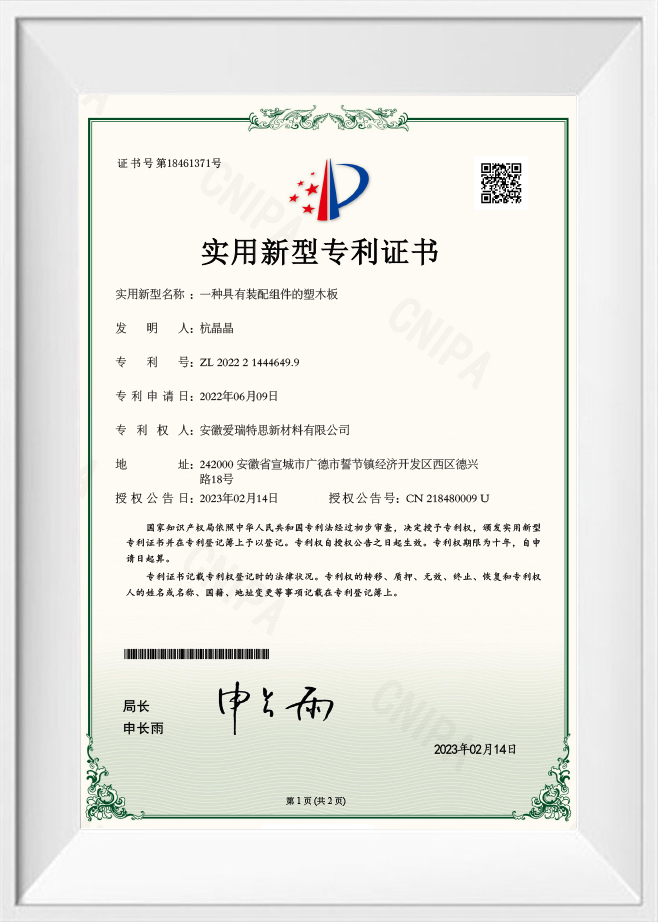
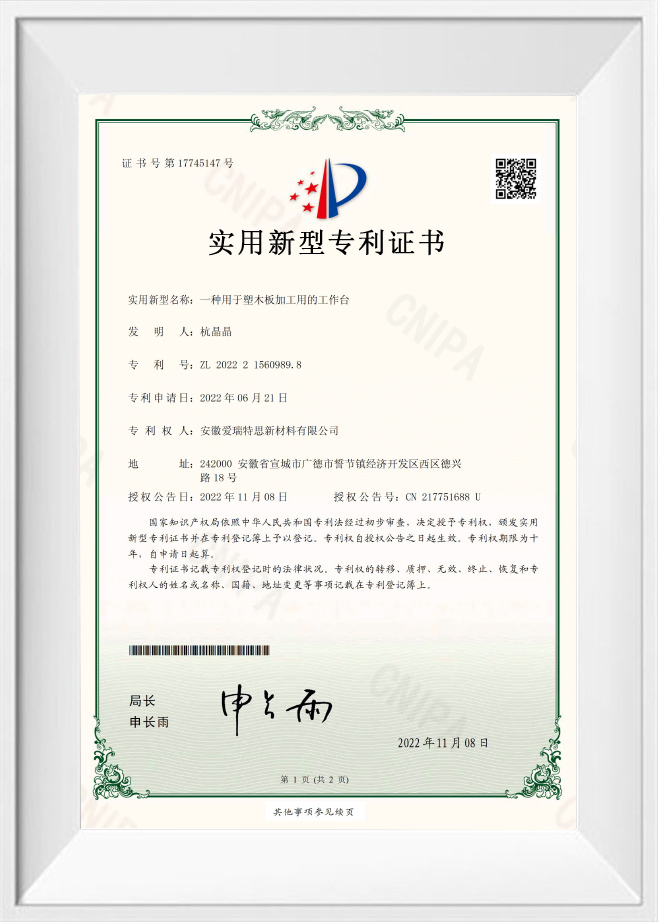
We are committed to the research and application of new, environmentally friendly materials. Founded in September 2017, the registered address is located at No. 18, Dexing Road, West District, Guangde Economic Development Zone, covering an area of 30 acres. It was put into production in December 2019. We are China Wholesale PVC Stair Treads Supplier and OEM/ODM PVC Stair Treads Factory. The company's main business is plastic extrusion products. It has developed high-end indoor and outdoor panels to create new market demand. At the same time, with our rich production experience and technical advantages, Airuites has successfully launched sales in the United States, Canada, Australia, Japan, and the local market, and gradually occupied a leading position in the industry.
-
-
Short answer: for most outdoor residential decks, PVC decking is the better long-term choice than wood, provided you compare a capped or solid PVC board against a natural wood deck. PVC does not rot, does not feed termites, holds its colour without annual sealing, and cleans up with soap and water. Wood give...
READ MORE -
WPC outdoor wall panels are a durable, low-maintenance cladding material made from wood fiber and thermoplastic resin, and they outperform natural wood siding in moisture resistance, insect protection, and long-term upkeep. If you want the warm, textured look of timber without yearly sanding, sealing, or rep...
READ MORE
Why Stair Tread Material Selection Is a Safety-Critical Decision?
Staircases concentrate pedestrian risk in a way that flat flooring does not. Falls on stairs account for a disproportionate share of serious injury incidents in both residential and commercial settings — and the majority of those falls involve either slip events at the tread nose or structural failures in aging tread materials. The choice of tread material, therefore, carries consequences that extend well beyond aesthetics or cost.
Timber treads, the historical default in residential construction, are vulnerable to moisture absorption that causes surface swelling, grain lifting, and eventual rot at tread-to-stringer connections. Once the surface grain begins to rise, the tread loses its machined profile and with it any anti-slip texture. Tile and stone treads are dimensionally stable but unforgiving on impact and have inherently low wet-slip resistance unless abrasive inserts or anti-slip strips are added — components that require separate procurement and periodic replacement.
PVC stair treads with solid-profile construction address both failure vectors simultaneously. The material does not absorb moisture, so it retains its profile geometry and surface texture indefinitely in wet or humid environments. A solid cross-section — as opposed to hollow or foam-core extrusions — maintains bending stiffness under repeated point loading, which is the actual stress condition a stair tread experiences with every footfall. Anhui Airuites New Material Co., Ltd. produces its stair treads in solid-profile form specifically to meet the structural demands of high-frequency stair traffic in both indoor and outdoor applications.
Decoding Anti-Slip Ratings for Stair Applications
Slip resistance classifications are not uniform across markets, which creates confusion when specifying products for international projects. The two dominant frameworks are AS/NZS 4586 (Australia and New Zealand) and DIN 51130 (Germany/Europe), with the US market relying primarily on ASTM C1028 and the coefficient of dynamic friction (CDOF) threshold of ≥ 0.6 for walking surfaces.
| Standard | Rating Scale | Stair / Wet External Requirement |
|---|---|---|
| AS/NZS 4586 | P1 – P5 | P4 minimum; P5 for commercial wet areas |
| DIN 51130 | R9 – R13 | R11 minimum for external stairs |
| ASTM C1028 | CDOF value | ≥ 0.6 (wet) for stair treads |
P5 under AS/NZS 4586 — achieved via an embossed surface texture applied during extrusion — represents the highest classification in the Australian system and satisfies the requirements for commercial-grade external stair applications, including pool surrounds, hospitality venues, and public-access staircases. The emboss pattern is integral to the profile, not a surface coating, which means it cannot wear off or be removed during cleaning. For projects specifying into multiple markets simultaneously, P5 certification provides a conservative safety margin that exceeds minimum requirements in all three frameworks listed above.
VOC Emissions and Material Safety in Indoor Stair Installations
Indoor air quality has become an increasingly prominent factor in material specification — particularly for residential renovations and projects targeting green building certifications such as LEED, WELL, or Green Star. Stair treads installed in enclosed interior spaces contribute to cumulative VOC (volatile organic compound) loading in the building's air volume, which makes emissions performance a meaningful procurement consideration rather than a marketing footnote.
The primary VOC risks in conventional stair materials come from three sources: formaldehyde off-gassing from binders in engineered timber treads; benzene and toluene from adhesive systems used in laminate or vinyl coverings; and heavy metal residues from legacy PVC stabilizer formulations using lead or cadmium compounds. Modern calcium-zinc stabilizer systems — now the standard for RoHS and REACH-compliant PVC extrusions — eliminate the heavy metal concern entirely. Formaldehyde is not present in extruded PVC products by nature of the manufacturing process, as no urea-formaldehyde or melamine-formaldehyde resin is involved.
We engineer our PVC stair treads to be free of formaldehyde, benzene, and heavy metals — attributes verified through third-party material safety testing and relevant to buyers in markets with mandatory indoor air quality disclosure requirements, including California's CARB regulations and Japan's F-Star indoor emissions framework. Anhui Airuites maintains test documentation for these attributes as part of the standard product compliance package available to distributors and project specifiers.
Profile Geometry Options and Their Impact on Installation Method
Stair tread profiles are not interchangeable — the cross-sectional geometry of a tread determines which installation scenarios it is compatible with, how the nose detail reads visually, and how easily it can be cut and fitted on-site. The two primary geometry families are open-nose profiles and covered or capped profiles, each suited to different stair construction types.
Open-nose profiles, typically in narrower widths (5–6 inches), are designed for installation on top of existing stair substrates — timber, concrete, or steel — and expose the stringer and riser below. The right-angle and rounded cross-section variants in this format allow left-right and combined orientation flexibility, which is useful when matching the tread geometry to an existing balustrade or railing detail. The tread simply sits over the existing stair structure, making it the preferred choice for renovation projects where the underlying stair is structurally sound but the surface finish needs replacement.
Covered profiles at wider widths (10–12 inches) wrap over the existing riser face as well as the tread surface, concealing the substrate entirely and delivering a clean, finished appearance from the front of the stair. This profile type is favored in new-build residential applications and commercial fit-outs where visual consistency across the full stair run is a design requirement. The additional width also provides more standing area per tread, which is a practical comfort factor on steeper stair pitches. Both profile families share the same ASA full-cap surface, P5 anti-slip emboss, and solid-profile structural core — the geometry choice affects installation method and aesthetic outcome, not underlying performance specification.

An interior and exterior panel company dedicated to the environmental protection technology research of recyclable materials.
Address
- No. 18, Dexing Road, West District, Guangde Economic Development Zone, Xuancheng City, Anhui Province, China
Quick Menu
Get in Touch
Copyright ©Anhui Airuites New Material Co.,Ltd. All Rights Reserved. Privacy Wholesale PVC Stair Treads Supplier
