
 English
 中文简体
中文简体 Español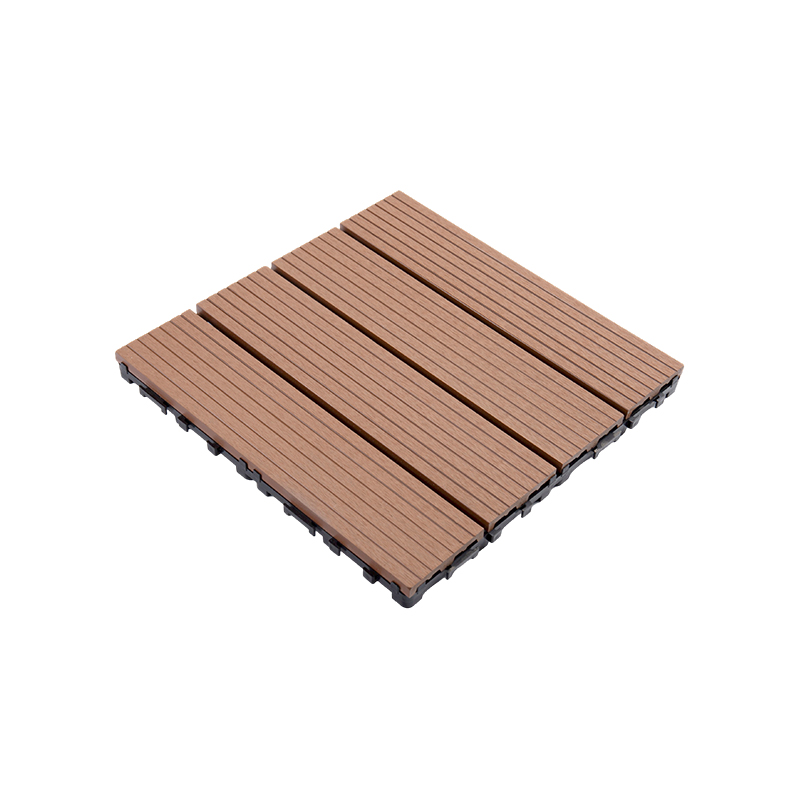
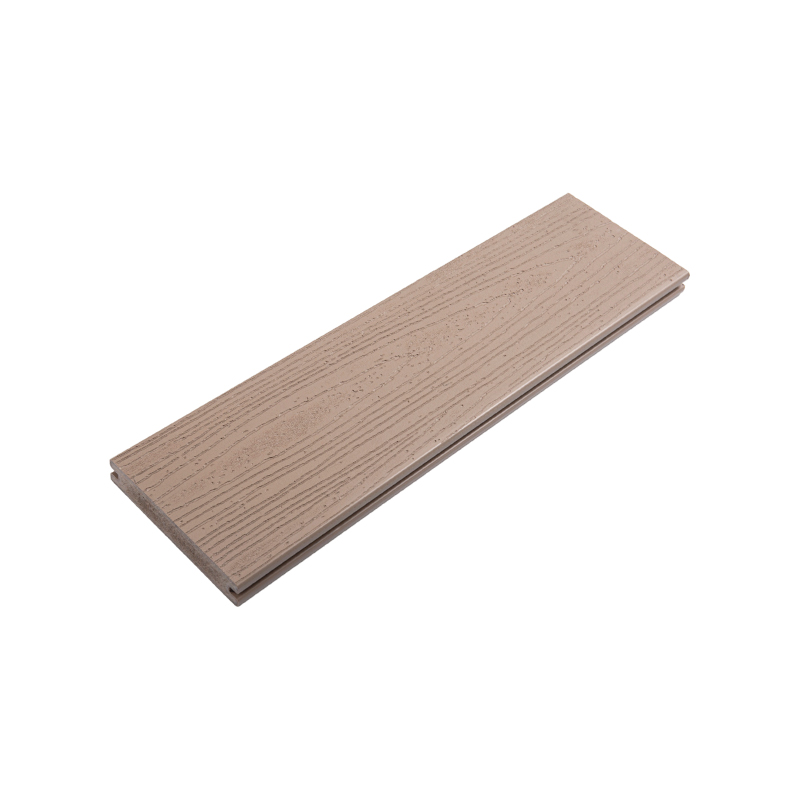
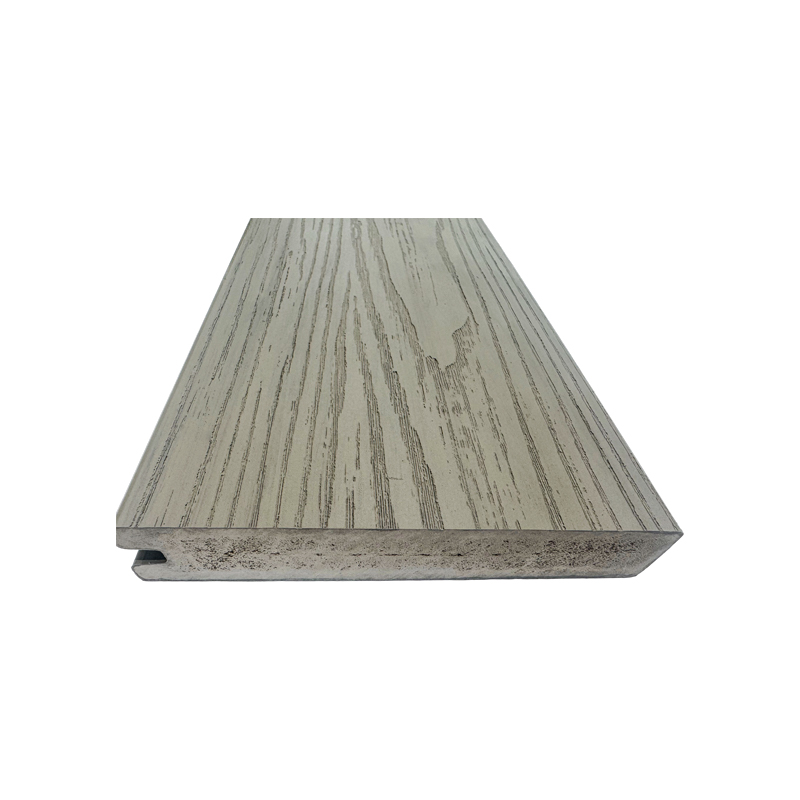
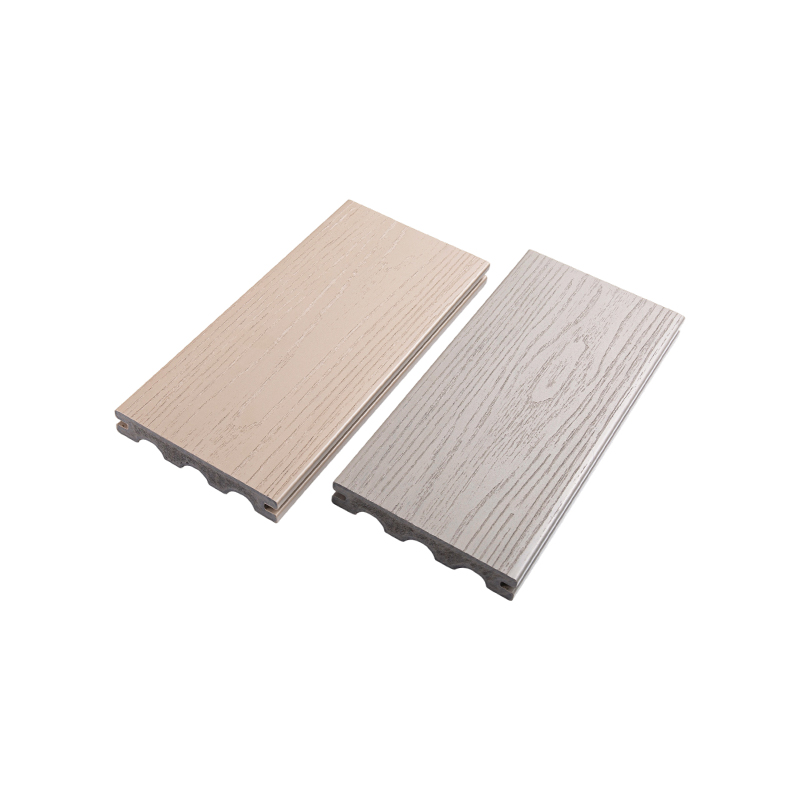

WPC wall panels are water-resistant, but they are not waterproof in the way a sheet of PVC or ceramic tile is. The composite core shrugs off humidity, splashes and daily wipe-downs far better than solid wood, yet standing water and prolonged soaking will still find their way in through cut edges, seams and f...
READ MORE
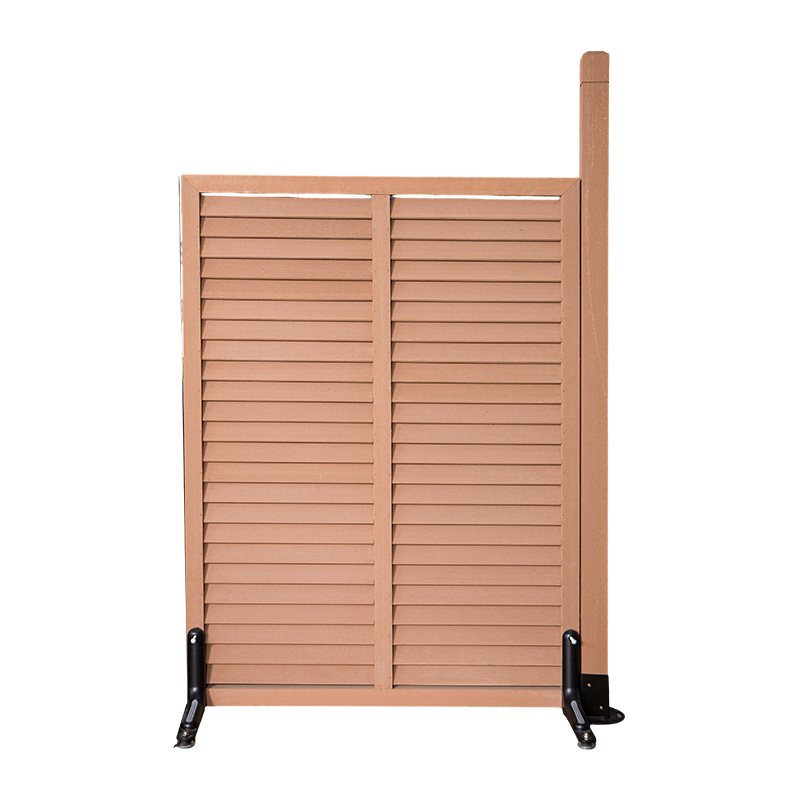
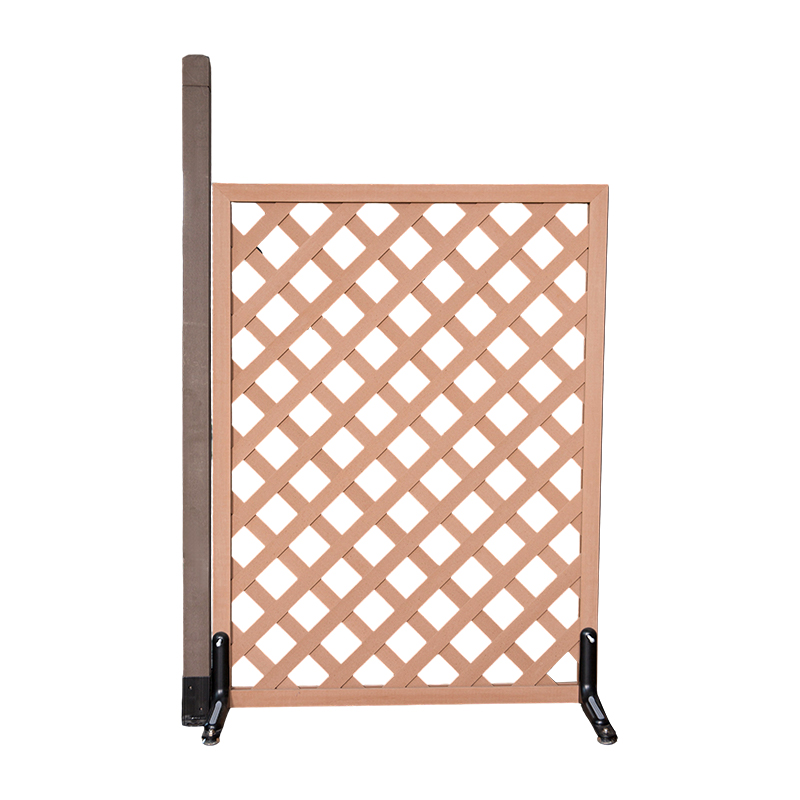
Grille Fence Wholesale
WPC Grille Fence Suppliers
CATEGORIES
Iattice fencing is designed with a solid profile, giving it exceptional bending strength to effectively resist warping and decay. Unlike traditional wood material, the material is resistant to pests and offers superior protection against moisture, mildew, chipping, and cracking. This ensures the fence maintains its structural integrity and aesthetic appeal, even in harsh weather.
The unique composite structure combines the natural texture of wood with the durability of plastic. This not only enhances the fence's appearance but also significantly reduces maintenance costs, as it doesn't require frequent painting or preservative treatments. Made from recycled wood fibers and high-quality plastics, Fencing is also environmentally friendly and aligns with sustainable development principles.
About Airuites
Anhui Airuites New Material Co.,Ltd.
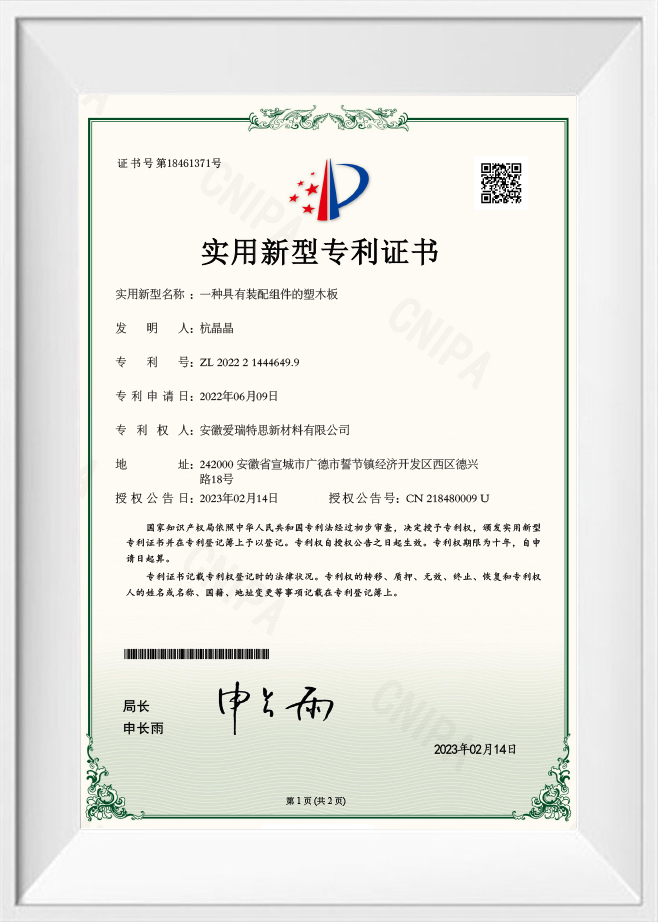
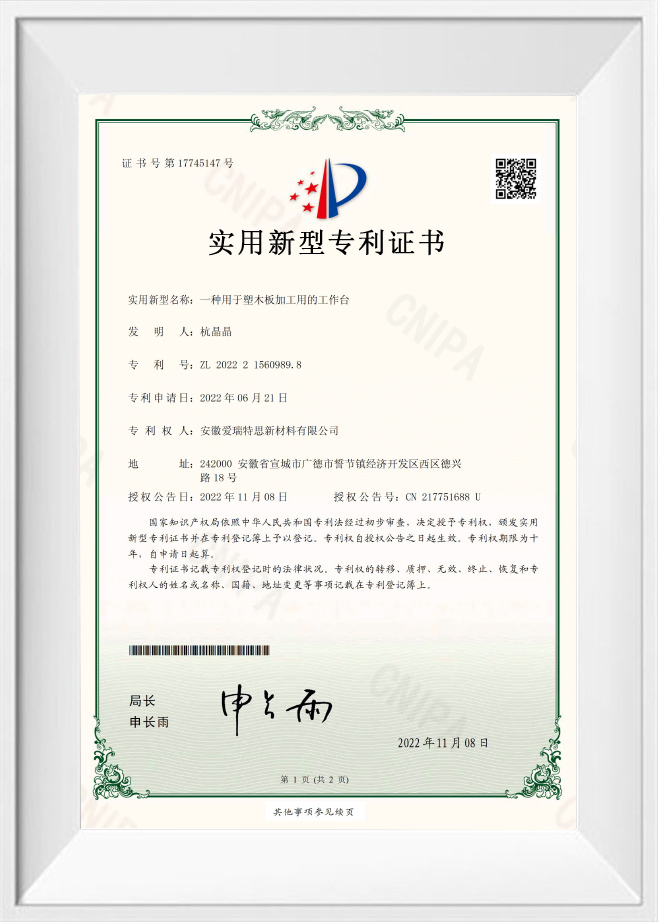
We are committed to the research and application of new, environmentally friendly materials. Founded in September 2017, the registered address is located at No. 18, Dexing Road, West District, Guangde Economic Development Zone, covering an area of 30 acres. It was put into production in December 2019. We are China Wholesale WPC Grille Fence Supplier and OEM/ODM WPC Grille Fence Factory. The company's main business is plastic extrusion products. It has developed high-end indoor and outdoor panels to create new market demand. At the same time, with our rich production experience and technical advantages, Airuites has successfully launched sales in the United States, Canada, Australia, Japan, and the local market, and gradually occupied a leading position in the industry.
-
-
Short answer: for most outdoor residential decks, PVC decking is the better long-term choice than wood, provided you compare a capped or solid PVC board against a natural wood deck. PVC does not rot, does not feed termites, holds its colour without annual sealing, and cleans up with soap and water. Wood give...
READ MORE -
WPC outdoor wall panels are a durable, low-maintenance cladding material made from wood fiber and thermoplastic resin, and they outperform natural wood siding in moisture resistance, insect protection, and long-term upkeep. If you want the warm, textured look of timber without yearly sanding, sealing, or rep...
READ MORE
The Complete Guide to WPC Grille Fence: Modern Privacy Meets Sustainable Design
In the evolving landscape of exterior architecture, the demand for materials that balance visual appeal with long-term structural integrity has never been higher. At the intersection of modern aesthetics and materials science lies the WPC Grille Fence—a sophisticated alternative to traditional timber, iron, or pure-vinyl barriers. As a manufacturer deeply invested in the research and application of environmentally friendly materials, we have observed a significant shift in how property owners define boundary solutions. No longer is a fence merely a perimeter marker; it is a design statement, a privacy shield, and a critical component of sustainable building practices.
Our production facility, established in 2017 and operational since late 2019 across a 30-acre campus, specializes in advanced plastic extrusion techniques. This technical foundation allows us to engineer high-end panels that address the common pain points of conventional fencing: rot, warping, insect damage, and excessive maintenance. The WPC Grille Fence represents the pinnacle of this expertise, combining the organic texture of wood with the resilience of polymer composites. This article will dissect the technical composition, installation methodologies, comparative advantages, and long-term value proposition of this innovative fencing system, providing you with the specific, actionable information required for informed specification and procurement.
Understanding the Material Science Behind WPC Grille Fence
To truly appreciate the performance of a WPC Grille Fence, one must first look beyond the surface appearance and into the material matrix. WPC, or Wood Plastic Composite, is not a monolithic substance but a carefully calibrated mixture of reclaimed wood fibers and high-density polyethylene (HDPE) or polyvinyl chloride (PVC) resins. The extrusion process subjects this blend to intense heat and pressure, creating a fully encapsulated, solid core material. Unlike pressure-treated lumber, which relies on surface-level chemical applications, WPC is inherently resistant to moisture ingress and biological decay throughout the entire profile of the material. The "grille" design—characterized by horizontal or vertical louvered slats—further enhances the material's engineering by optimizing airflow while obstructing direct lines of sight.
The specific advantages of choosing a composite grille profile over solid sheets or traditional pickets are numerous and scientifically substantiated. The open-yet-closed design reduces wind load on the fence structure, minimizing the stress on posts and footings during adverse weather events. Additionally, the manufacturing process allows for a level of precision unattainable in natural wood milling. The following points detail the core material benefits that define the WPC Grille Fence category:
- Dimensional Stability: The co-extrusion process creates a protective outer layer bonded to the composite core, resulting in a coefficient of linear thermal expansion significantly lower than pure plastic fencing. This prevents the unsightly sagging or bowing common in vinyl products during summer heat.
- Moisture Resistance Rating: With a water absorption rate typically below 0.5% (per ASTM D570 standards), WPC materials do not swell or contract with seasonal humidity changes, ensuring that the precision gap spacing between grille slats remains consistent for decades.
- UV Inhibitor Integration: Advanced formulas incorporate titanium dioxide and hindered amine light stabilizers (HALS) directly into the polymer matrix. This prevents the chalky, faded appearance of wood stain and ensures color retention is maintained across the spectrum from natural walnut to contemporary grey.
- Zero Toxicity Profile: The production utilizes reclaimed wood fibers diverted from landfill streams and recyclable thermoplastics. The final product contains no volatile organic compounds (VOCs) that would off-gas into the surrounding soil or air.
Comparative Analysis: WPC Grille Fence vs. Conventional Materials
When evaluating the total cost of ownership for a perimeter enclosure, the initial material purchase price is often a misleading metric. A comprehensive analysis must account for the labor of installation, the recurring costs of maintenance, and the expected service life before replacement. Traditional wood fencing, while initially lower in material cost, carries a significant long-term burden involving bi-annual staining, sealing, and eventual board replacement. In contrast, a WPC Grille Fence operates on a "fit and forget" maintenance schedule, requiring only occasional washing with mild soap and water to remove environmental debris. This operational efficiency translates directly into a lower lifecycle cost over a 20 to 25-year horizon.
Below is a detailed comparison that highlights the critical performance differentiators between WPC, treated pine, and wrought iron. This table illustrates why composite grille systems have become the preferred specification for commercial landscape architects and discerning residential developers alike.
| Performance Metric | WPC Grille Fence | Treated Wood (Pine/Cedar) | Wrought Iron / Steel |
| Annual Maintenance Requirement | None; Occasional Rinsing Only | High; Requires Sanding, Staining, and Sealing Annually | Moderate to High; Requires Rust Removal and Repainting |
| Resistance to Termites & Wood Borers | Complete Immunity | Vulnerable; Requires Soil Treatment and Chemical Barrier | Immune |
| Structural Integrity in Wind | Excellent (Grille design permits wind passage) | Poor to Fair (Solid panels act as sails, causing post lean) | Excellent (Open design) |
| Service Life Expectancy | 25+ Years (Manufacturer Limited Warranty) | 8-12 Years (With rigorous maintenance) | 15-20 Years (Prone to corrosion in coastal zones) |
| Sustainability Profile | High; Upcycled Wood Fiber & Recycled Plastic | Low-pressure-treated with Copper Azole or ACQ chemicals | High embodied energy; Mining impact |
| Privacy & Airflow Balance | Optimized; Angled slats obscure the view while allowing the breeze | High Privacy (Solid) but Poor Ventilation | Low Privacy unless backed with mesh |
Architectural Applications and Design Versatility
The utility of a WPC Grille Fence extends far beyond simple backyard enclosures. Its modular nature and clean, linear profile make it an invaluable tool for landscape architects seeking to define space without creating a visual dead-end. The semi-transparent nature of the grille allows for the dappled passage of light, creating dynamic shadow patterns that change throughout the day. This characteristic makes it exceptionally well-suited for high-end applications where the fence must complement, rather than compete with, the primary structure. Whether used as a pool safety barrier compliant with BOCA code requirements or as a decorative screen to hide HVAC mechanical equipment, the system offers unmatched versatility.
Our manufacturing precision allows for customization in slat orientation and spacing, enabling the fence to serve distinct functional roles depending on the installation context. The following configurations are the most frequently specified by our partners in North America, Australia, and Asia:
- Horizontal Louvered Privacy Screen: Slats are angled downward at 15-20 degrees. This orientation provides maximum visual privacy for neighbors looking upward from a lower elevation while allowing the property owner to maintain a clear view of the ground or garden beds from the interior.
- Vertical Acoustic Buffer: While not a solid sound wall, vertical grille systems installed with dense spacing can diffuse and break up sound waves, reducing the perception of road noise when combined with a layer of dense evergreen shrubs planted directly adjacent to the fence line.
- Facade Cladding and Boundary Integration: The same WPC Grille Fence panels can be mounted directly to building exteriors or concrete block walls as a rainscreen or decorative upgrade. This creates a cohesive material language that unifies the fence line with the home's architecture.
- Planter Box Backing: The robust composite structure provides an excellent, non-leaching surface against which to install raised garden beds or vertical gardens without risk of the chemicals found in treated lumber contaminating edible plants.
Technical Specifications and Installation Protocol
Achieving the intended lifespan and aesthetic performance of a WPC Grille Fence hinges on adherence to precise installation standards. While the material itself is highly forgiving and user-friendly for the experienced DIY installer, professional trade knowledge ensures the prevention of issues related to thermal movement. Unlike wood, which is anchored rigidly with nails, composite materials require a system that accommodates micro-expansion. Our engineered systems utilize concealed stainless steel clips and aluminum channel tracks that allow the panels to "float" slightly within the frame, eliminating the risk of buckling during temperature fluctuations.
The substructure is the most critical component of the installation. We strongly recommend the use of powder-coated aluminum posts or heavy-gauge galvanized steel inserts over direct burial of composite posts in soil. The following checklist provides a high-level overview of the critical path for installation, ensuring compliance with manufacturer specifications for wind load and structural stability:
- Footing Depth Requirements: Post holes must extend below the local frost line (minimum 30-36 inches in northern climates) with a 6-inch gravel base for drainage. Concrete footings should be crowned above grade to shed water away from the post base.
- Panel Span and Deflection: For horizontal grille applications, intermediate blocking or support rails should be placed every 24 inches on center to prevent long-term sag. The maximum unsupported span should not exceed 48 inches for 1-inch thick profiles.
- Fastener Compatibility: Only 305-grade or 316 marine-grade stainless steel screws should be used. Electroplated hardware will react with the tannins in the wood fiber and eventually cause unsightly black staining around the fastener head.
- Thermal Expansion Gaps: A minimum gap of 3/16 inch (5mm) must be maintained between the end of the WPC board and any rigid post or wall structure to allow for linear expansion in summer heat.
Long-Term Value and Environmental Stewardship
Specifying a WPC Grille Fence is a forward-looking investment that aligns with global trends toward circular economies and reduced carbon footprints in construction. From a financial perspective, the decision to install composite over wood typically yields a return on investment through avoided maintenance labor within the first 5 to 7 years of service. From an environmental perspective, the avoidance of annual chemical sealants and the preservation of forest stock are tangible contributions to a more sustainable built environment. As a manufacturer committed to the research and application of new, eco-friendly materials since 2017, we have witnessed the tangible impact of this shift across diverse climate zones from the humid summers of the American Southeast to the arid conditions of the Australian outback.
Our production processes, honed over years of operational experience and refined through rigorous extrusion technology, ensure that every linear foot of fencing leaving our 30-acre facility meets stringent quality control metrics. By choosing this material, stakeholders are not simply purchasing a fence; they are acquiring a 25-year solution to privacy, security, and design. The integration of advanced polymer science with the timeless appeal of natural wood grain creates a product that stands as a testament to modern manufacturing capabilities and responsible resource management.
FAQ
What is the difference between a WPC Grille Fence and standard composite fencing?
The primary distinction lies in the design and functional performance. Standard composite fencing is often designed to mimic the appearance of solid wood dog-ear pickets, offering high privacy but acting as a solid barrier to wind and light. A WPC Grille Fence utilizes spaced, angled, or louvered slats. This configuration provides a visual screen—obscuring the direct view into a property while maintaining airflow and allowing filtered natural light. This structural difference reduces wind load pressure on the posts by up to 40% compared to a solid panel, resulting in a more durable structure during storms and hurricanes. The grille design is also more effective at delineating space without making a yard feel confined or boxed in.
How do you clean and maintain WPC Grille Fence panels to prevent mold and mildew?
While WPC Grille Fence materials are resistant to rot, they are not immune to surface mold, mildew, or pollen accumulation, especially in shaded, damp environments or near heavy foliage. Maintenance is straightforward but should be performed correctly to avoid surface abrasion. For routine cleaning, use a soft-bristle brush or a pressure washer set to a wide fan tip (below 1,500 PSI) with a minimum distance of 12 inches from the surface. A solution of one part white vinegar to three parts water, or a dedicated composite deck cleaner containing sodium percarbonate, is highly effective. Avoid using chlorine bleach, as it can break down the lignin in the wood fiber component and lighten the color of the composite profile unevenly. Annual cleaning in the spring is typically sufficient to maintain the original appearance for decades.
Can WPC Grille Fence be used as a pool barrier to meet safety codes?
Yes, with specific attention to installation detail. A WPC Grille Fence is an excellent choice for pool enclosures because it is impervious to chlorinated water splash and will not splinter like wood, ensuring safety for bare feet. However, to meet the International Swimming Pool and Spa Code (ISPSC) or BOCA National Building Code requirements, the fence must be configured appropriately. The horizontal grille slats must be spaced no more than 1.75 inches apart if they run vertically, and if horizontal slats are used, they must be placed on the pool side of the posts or be otherwise non-climbable (e.g., angled downward at a minimum 45-degree pitch) to prevent a child from gaining a toehold. Additionally, the distance between the bottom of the fence and the finished grade must not exceed 2 inches. Always consult local municipal building inspectors for specific regional variances.
Does a WPC Grille Fence fade or warp in direct, intense sunlight?
All pigmented materials exposed to UV radiation will undergo a subtle process of oxidation and lightening over the first 8-12 weeks of exposure; this is known as the "weathering-in" period. High-quality WPC Grille Fence formulations, such as those produced using co-extrusion technology, integrate a durable polymer capstock loaded with UV stabilizers and mineral pigments. This outer layer acts as a shield, preventing the streaking, severe fading, and chalky surface texture associated with lower-tier composite products. While you may notice a slight, uniform shift in color (often less than 5 Delta E color difference), the fence will not experience the differential fading seen in natural wood. Regarding warping, the composite core and aluminum-reinforced installation rails ensure that the grille slats remain straight and true even when surface temperatures exceed 150°F, provided the installation followed the recommended gap allowances for thermal expansion.
Is WPC fencing truly eco-friendly, given that it contains plastic?
This is a critical question regarding material ethics. The sustainability of a WPC Grille Fence is best evaluated through Life Cycle Assessment (LCA) rather than just the presence of plastic. From a resource extraction perspective, WPC utilizes reclaimed wood fibers (a byproduct of lumber milling or construction demolition) and post-industrial or post-consumer recycled plastics (HDPE). This diverts two waste streams from landfills. In contrast, a new pressure-treated pine fence requires the harvesting of mature trees and the infusion of copper-based preservatives. Over its 25+ year lifespan, a WPC fence eliminates the need for dozens of gallons of solvent-based stains, sealers, and cleaning chemicals required by wood. Furthermore, at the end of its long service life, the WPC material can be reground and re-extruded into new products, fitting within a circular economy model. The embodied carbon locked within the recycled plastic is sequestered in the fence rather than being incinerated or deposited in the ocean.

An interior and exterior panel company dedicated to the environmental protection technology research of recyclable materials.
Address
- No. 18, Dexing Road, West District, Guangde Economic Development Zone, Xuancheng City, Anhui Province, China
Quick Menu
Get in Touch
Copyright ©Anhui Airuites New Material Co.,Ltd. All Rights Reserved. Privacy Wholesale WPC Grille Fence Supplier
