
 English
 中文简体
中文简体 Español
Industry News
Is WPC Grille Fence the Best Low-Maintenance Privacy Solution for 2026?
Content
- 1 What Exactly Is a WPC Grille Fence and How Does It Differ from Standard Composite Fencing?
- 2 What Are the Most Searched Applications for WPC Grille Fence Installations?
- 3 WPC Grille Fence Price Analysis: What Factors Determine Total Project Cost?
- 4 Composite Fence vs Wood Fence: Which Delivers Superior Long-Term Value?
- 5 WPC Fencing Installation Guide: What Are the Critical Steps for Structural Integrity?
- 6 How Do You Ensure the Long-Term Stability of a WPC Grille Fence?
- 7 What Are the Sustainability Credentials of WPC Grille Fencing?
- 8 FAQ
- 9 References
As property owners and landscape architects search for fencing solutions that balance modern design with long-term durability, the WPC Grille Fence category has emerged as one of the fastest-growing segments in the composite materials market. Unlike traditional solid panels that can create a fortress-like appearance and block natural airflow, the grille configuration offers a sophisticated alternative that obscures sightlines while permitting filtered light and ventilation. This distinctive combination of privacy and permeability has driven adoption across residential communities, commercial developments, and coastal properties where wind resistance is a critical consideration.
The global shift toward sustainable construction materials has further accelerated interest in wood-plastic composite products. According to industry analysis from early 2026, the pricing landscape for composite fencing reveals significant variations based on supply chain models and system completeness. Understanding these market dynamics is essential for buyers evaluating the true value proposition of a WPC Grille Fence installation. This comprehensive guide examines the technical specifications, installation protocols, cost considerations, and long-term performance metrics that define quality in this product category.
Drawing on manufacturing expertise established in 2017 and refined through continuous research into environmentally friendly materials, this analysis provides the specific, actionable information required by contractors, specifiers, and discerning homeowners. The following sections address the most frequently searched questions about composite grille fencing while delivering data-driven comparisons that support informed procurement decisions.
What Exactly Is a WPC Grille Fence and How Does It Differ from Standard Composite Fencing?
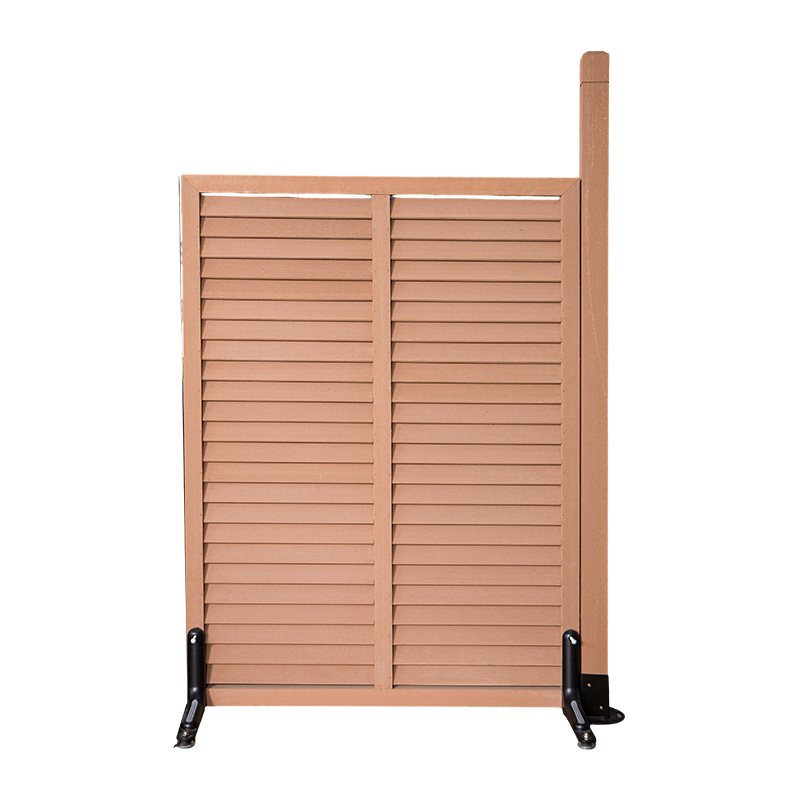
A WPC Grille Fence is distinguished by its louvered or slatted configuration, wherein horizontal or vertical composite boards are arranged with intentional spacing between each element. This design creates a semi-transparent barrier that maintains privacy from oblique viewing angles while allowing air circulation and dappled light transmission. The term "grille" refers specifically to this open-yet-screening arrangement, which stands in contrast to the solid, tongue-and-groove or shiplap profiles common in conventional composite privacy fencing.
The material composition of these systems relies on an engineered blend of reclaimed wood fiber and high-density polyethylene (HDPE) or polyvinyl chloride (PVC) resins. Advanced co-extrusion manufacturing processes encapsulate the composite core within a durable polymer capstock that provides enhanced UV stabilization and moisture resistance. This construction yields a product that combines the aesthetic warmth of natural wood grain with the structural predictability of synthetic materials. The grille design further optimizes this material performance by reducing wind load on the fence structure—a critical advantage in regions subject to seasonal storms or sustained high winds
Key Distinguishing Characteristics of WPC Grille Fence Systems
- Visual Privacy Without Confinement: The angled or spaced slat arrangement obscures direct sightlines into the property while maintaining an open, breathable boundary that prevents the enclosed, boxed-in sensation associated with solid fencing.
- Wind Load Reduction: The grille configuration allows prevailing winds to pass through the fence structure, reducing lateral pressure on posts and footings by an estimated 30-40% compared to solid panels of equivalent height and length.
- Architectural Versatility: The linear, modern aesthetic of grille panels complements contemporary building facades and can be oriented horizontally or vertically to suit specific design requirements and sightline management objectives.
- Thermal Expansion Accommodation: The spaced-slat design inherently provides room for the minor dimensional changes that occur as composite materials respond to temperature fluctuations, minimizing the risk of warping or buckling over time.
What Are the Most Searched Applications for WPC Grille Fence Installations?
The functional versatility of WPC Grille Fence systems extends well beyond basic property demarcation. Analysis of user search behavior indicates strong interest in specific application contexts where the combination of screening performance and material durability delivers exceptional value. Understanding these use cases helps buyers align product selection with intended functional outcomes.
Primary Application Scenarios by Search Volume
- Pool Safety and Code-Compliant Barriers: Composite grille fencing is increasingly specified for swimming pool enclosures due to its imperviousness to chlorinated water splash and its ability to meet International Swimming Pool and Spa Code (ISPSC) climb-resistance requirements when installed with appropriate slat orientation and spacing. The material will not splinter, eliminating safety hazards for barefoot traffic around pool decks.
- Privacy Screens for Outdoor Living Spaces: The modern WPC fence panel configuration allows homeowners to create defined patio, deck, or garden zones without sacrificing the sense of openness that makes outdoor entertaining appealing. The partial visual barrier is sufficient for concealing seating areas from neighboring sightlines while maintaining connection to the broader landscape.
- Mechanical Equipment Screening: Property managers and commercial facility operators frequently employ grille panels to conceal HVAC condensers, generator enclosures, and utility infrastructure. The ventilated design ensures unimpeded airflow to equipment while providing a tidy, professional visual presentation that complies with municipal screening ordinances.
- Boundary Definition in Multi-Unit Developments: The aesthetic consistency and low-maintenance profile of composite grille fencing make it particularly suitable for townhome communities and condominium associations where uniform appearance and reduced long-term maintenance assessments are prioritized by residents and board members alike.
- Acoustic Buffer Supplementation: While not a primary sound attenuation solution, grille fencing installed with dense evergreen plantings can diffuse and break up sound wave propagation, contributing to perceived noise reduction in suburban settings adjacent to arterial roadways.
WPC Grille Fence Price Analysis: What Factors Determine Total Project Cost?
Understanding the WPC fence cost per foot requires careful examination beyond headline pricing. Market data from 2026 indicates that advertised panel-only figures frequently exclude essential system components—posts, hardware, gates, and freight—that materially impact final installed costs. Buyers who compare quotations based solely on panel pricing risk significant budget overruns when these necessary elements are incorporated later in the procurement process.
The distinction between retail and factory-direct supply models represents one of the most consequential variables in composite fencing economics. Big-box retail channels typically present partial-system pricing that appears attractive at first glance but omits substantial portions of the complete installation package. Factory-direct suppliers, by contrast, generally quote comprehensive systems encompassing panels, posts, fasteners, and bulk logistics coordination. This structural difference explains why per-linear-foot cost estimates can vary by factors of three or more across different supply sources.
Comparative Cost Analysis by Supply Channel
The following table presents representative pricing ranges for a complete 6-foot WPC fence system as observed in the U.S. market during early 2026. Values reflect system-level pricing inclusive of primary structural components and should be interpreted as directional benchmarks rather than firm quotations, which will vary by configuration and order volume.
| Supply Channel | Typical System Price Range (Per Linear Foot) | System Scope | Customization Availability |
| Big-Box Retail Store | $45 - $75 | Panels only; posts and hardware sold separately | Limited to stock colors and dimensions |
| Specialty E-Commerce Seller | $30 - $55 | Partial systems; hardware may be included | Moderate; some color/profile options |
| Premium Composite Brand | $50 - $90 | Complete proprietary system; premium positioning | Brand-defined palette; limited flexibility |
| Factory-Direct Supplier (Complete System) | $18 - $35 | Panels, posts, fasteners, gates, bulk freight | High-quality custom colors and dimensions available |
Additional Cost Variables Affecting Project Budgets
- Installation Labor: Professional installation typically adds $15-$30 per linear foot, depending on site conditions, soil type, and regional labor rates. The modular nature of grille systems can reduce labor hours compared to traditional stick-built wood fencing.
- Site Preparation Requirements: Properties with significant grade changes, rocky soil, or existing fence demolition needs will incur additional preparation costs that should be factored into the comprehensive project budgeting.
- Gate Hardware and Automation: Pedestrian gates and driveway entry systems represent concentrated cost centers within the overall fence installation. Automated gate operators add $1,500-$4,500 to project totals depending on size and feature requirements.
- Permitting and HOA Compliance: Municipal permit fees and homeowner association application costs, while modest individually, should be accounted for in project planning timelines and budgets.
Composite Fence vs Wood Fence: Which Delivers Superior Long-Term Value?
The decision between traditional timber and composite fence vs wood fence materials represents one of the most consequential choices in perimeter enclosure planning. While wood fencing typically presents lower initial material costs, a comprehensive total cost of ownership (TCO) analysis reveals a markedly different economic picture over the anticipated service life of the installation. The most significant error made by budget-conscious buyers is evaluating only the upfront purchase price without accounting for the recurring maintenance obligations and premature replacement costs inherent to organic materials.
Pressure-treated pine, the most common wood fencing material in North American markets, carries an initial cost advantage of approximately 20-40% compared to entry-level composite alternatives. However, this differential erodes rapidly when the full lifecycle costs are calculated. Bi-annual staining or sealing treatments, periodic board replacement due to warping or decay, and eventual complete system replacement within 10-15 years combine to make wood fencing substantially more expensive on a per-year-of-service basis. The financial crossover point—where composite becomes the economically preferable choice—typically occurs between years 6 and 8 of ownership.
Comprehensive Cost and Performance Comparison
The following table quantifies the key differentiators between traditional pressure-treated wood, standard composite fencing, and premium composite grille systems. Values represent industry averages derived from 2026 market data and should inform rather than replace project-specific quotations.
| Evaluation Metric | Pressure-Treated Wood | Standard Composite Panel | Premium WPC Grille Fence |
| Initial Material Cost (Per Linear Foot) | $12 - $22 | $25 - $40 | $20 - $45 |
| Annual Maintenance Expenditure | $3 - $6 per foot (staining/sealing) | $0.50 - $1 per foot (cleaning only) | $0.25 - $0.75 per foot (occasional rinsing) |
| Typical Service Life Before Replacement | 8 - 12 years | 15 - 20 years | 20 - 25+ years |
| 10-Year Total Cost of Ownership | $42 - $82 per foot (including maintenance) | $30 - $50 per foot | $22 - $52 per foot |
| Resistance to Rot and Insect Damage | Limited; chemical-dependent | High moisture-resistant core | Complete; fully encapsulated profile |
| Color Retention Over Time | Poor; graying within 12-18 months | Moderate; some fading expected | Excellent; UV-stabilized capstock |
| Wind Load Performance | Poor (solid panel acts as a sail) | Poor (solid panel configuration) | Excellent (grille permits wind passage) |
WPC Fencing Installation Guide: What Are the Critical Steps for Structural Integrity?
Proper installation of a WPC Grille Fence system is the single most important determinant of long-term performance and stability. While the composite material itself is inherently dimensionally stable and resistant to biological degradation, improper installation techniques can compromise structural integrity and diminish aesthetic outcomes. Adherence to manufacturer-specified protocols regarding post-setting, thermal expansion accommodation, and fastener selection is essential for achieving the full 25-year service potential of these systems.
The installation sequence begins with meticulous site preparation and post foundation work. Composite fencing systems are substantially heavier than cedar or pine alternatives, imposing greater demands on the substructure. Post footings must extend below the regional frost line—typically 30-36 inches in northern climate zones—and incorporate adequate concrete mass to resist both vertical loading and lateral wind forces. The use of powder-coated aluminum post sleeves or galvanized steel reinforcement inserts provides additional structural capacity while protecting the composite material from direct soil contact
Essential Installation Sequence and Quality Control Checkpoints
- Layout and Utility Locating: Before any excavation, contact local utility notification services to identify and mark underground infrastructure. Establish precise property line locations and verify any applicable setback requirements with municipal planning authorities.
- Post Hole Excavation: Dig holes to a depth of 30-36 inches (or below local frost line) with a diameter approximately three times the post width. Incorporate 4-6 inches of compacted gravel at the base of each hole to facilitate drainage away from the post bottom.
- Post Setting and Alignment: Position posts in holes and secure temporarily with bracing. Verify plumb alignment in both planes using a 4-foot spirit level. Pour concrete footings and allow a minimum of 48-72 hours curing time before attaching panels, extending to 7 days in cool or damp conditions.
- Thermal Expansion Gap Management: Maintain a minimum 3/16-inch (5mm) gap between the ends of composite grille boards and any rigid post or wall surface. This allowance accommodates the natural thermal expansion that occurs as material temperatures rise during summer exposure.
- Fastener Specification Compliance: Use exclusively 305-grade or 316 marine-grade stainless steel screws. Electroplated or zinc-coated fasteners will react with the tannins present in the wood fiber component, producing unsightly black staining around fastener heads within the first 12-18 months of installation.
- Bottom Gap Clearance: Maintain a minimum 2-inch clearance between the bottom edge of grille panels and finished grade. This prevents moisture wicking from soil contact and facilitates air circulation that inhibits mold and mildew formation on panel surfaces.
Common Installation Errors and Their Consequences
- Insufficient Footing Depth: Shallow post settings subject the fence to frost heave displacement in cold climates, resulting in misaligned panels and compromised gate operation over successive freeze-thaw cycles.
- Omitted Thermal Expansion Gaps: Panels installed tightly against rigid posts or walls will buckle and deform during summer heat as the composite material expands against unyielding constraints.
- Improper Fastener Selection: The use of electroplated hardware leads to galvanic corrosion and permanent staining that cannot be remediated without full fastener replacement and panel refinishing.
- Inadequate Post-to-Panel Fastening: Insufficient or incorrectly positioned screws allow panels to shift under wind loading, creating gaps in the visual screen and potentially compromising the fence's privacy function.
How Do You Ensure the Long-Term Stability of a WPC Grille Fence?
Achieving enduring structural performance from a WPC Grille Fence installation requires attention to factors that extend beyond the initial installation phase. Environmental conditions, maintenance practices, and material quality all contribute to the stability and appearance of the fence over its multi-decade service life. Understanding these variables enables property owners to implement proactive measures that preserve both the functional integrity and aesthetic appeal of their investment.
Wind exposure represents the most significant environmental challenge to fence stability, particularly for taller installations in open terrain. The grille configuration's inherent wind permeability reduces but does not eliminate lateral loading forces. In regions subject to sustained winds exceeding 25 mph or gust conditions above 40 mph, supplemental bracing and deeper post embedment should be considered as part of the initial design specification. Similarly, properties with expansive clay soils may require specialized anchoring systems that resist the cyclical movement associated with seasonal moisture variation.
Critical Stability Enhancement Measures
- Post Reinforcement Strategies: For fences exceeding 6 feet in height or installations in high-wind corridors, insert galvanized steel reinforcing rods into post cores before concrete placement. This measure increases bending resistance by approximately 40-60% compared to unreinforced composite posts.
- Diagonal Bracing Integration: Install diagonal bracing between posts at 50-foot intervals for long, uninterrupted fence runs. This triangulation prevents cumulative deflection that can develop over time as wind forces act on the extended panel array.
- Mid-Span Support Rails: For horizontal grille applications, intermediate support blocking should be placed at 24-inch vertical intervals to prevent long-term sag that could compromise the precise slat spacing essential to the grille aesthetic.
- Seasonal Inspection Protocol: Conduct visual inspections each spring and fall, checking for loose fasteners, signs of post movement, and any accumulation of debris in the gaps between grille slats. Prompt remediation of minor issues prevents their escalation into more significant structural concerns.
- Snow Load Management: In regions receiving significant snowfall, remove accumulated snow from fence tops when depths exceed 6 inches. The additional weight can stress post connections and, in extreme cases, contribute to panel deformation.
What Are the Sustainability Credentials of WPC Grille Fencing?
The environmental profile of a WPC Grille Fence is best evaluated through life cycle assessment methodology rather than simplistic material categorization. While the presence of plastic content prompts legitimate questions about ecological impact, comprehensive analysis reveals that wood-plastic composite systems deliver meaningful sustainability advantages when compared to traditional pressure-treated lumber alternatives. These benefits accrue across multiple dimensions, including resource conservation, avoided chemical applications, and end-of-life material management.
The composite manufacturing process utilizes two primary feedstock streams that would otherwise burden waste management infrastructure. Reclaimed wood fiber—typically sourced from construction demolition debris or secondary milling operations—is combined with post-industrial or post-consumer recycled plastics. This dual diversion of waste materials reduces landfill volume while simultaneously decreasing demand for virgin timber harvest and petrochemical extraction. The embodied carbon within the recycled plastic component remains sequestered in the fence structure for its 25+ year service life rather than being released through incineration or environmental degradation.
Quantifiable Environmental Benefits
- Forest Conservation Impact: Each linear foot of composite fencing eliminates the harvest of approximately 2-3 board feet of dimensional lumber over25 yearsd, accounting for the replacement cycles that wood fencing would require during that same interval.
- Chemical Avoidance: A typical 200-linear-foot composite fence installation eliminates the application of 40-60 gallons of solvent-based stains, sealers, and cleaning chemicals over two decades of service compared to a maintained wood fence of equivalent dimensions.
- Water Conservation: The negligible water absorption of WPC materials eliminates the seasonal swelling and shrinking cycles that drive maintenance requirements for wood fencing, conserving both the water and energy associated with annual preservation treatments.
- End-of-Life Recyclability: At the conclusion of its extended service life, WPC material can be reground and re-extruded into new composite products, supporting circular material economy principles rather than consignment to landfill disposal.
FAQ
How long does a WPC Grille Fence last compared to traditional wood fencing?
A properly installed WPC Grille Fence system typically delivers 20 to 25+ years of functional service with minimal maintenance intervention. This compares favorably to pressure-treated pine fencing, which averages 8-12 years before requiring complete replacement, and cedar fencing, which may reach 12-15 years in ideal conditions with diligent maintenance. The extended lifespan of composite materials derives from their inherent resistance to the degradation mechanisms that limit wood longevity: rot from moisture exposure, insect infestation, and UV-induced lignin breakdown. The co-extruded polymer capstock that encases premium composite products provides particular protection against color fading and surface degradation, maintaining acceptable appearance for the full duration of the structural service life. It is important to note that while the material itself is highly durable, the functional lifespan of any fence installation depends substantially on the quality of the post foundation work and adherence to manufacturer-specified installation protocols.
Can WPC Grille Fence be installed on sloped or uneven terrain?
Yes, WPC Grille Fence systems can accommodate moderate to significant grade changes through several established installation techniques. The most common approach for sloped installations is the "stepped" method, wherein fence sections are installed in level segments with posts extending above the panel height at each grade transition. This technique maintains the horizontal alignment of grille slats essential to the system's aesthetic and screening performance. Alternatively, for gentle slopes of less than 10 degrees, the "racked" or "contoured" method allows panels to follow the grade line by adjusting the angle of individual slats within the frame. This approach requires specialized hardware and should be verified for compatibility with the specific product line before specification. For installations on terrain with slopes exceeding 15 degrees, consultation with the manufacturer's technical support team is recommended to confirm appropriate installation methodology and any necessary custom fabrication requirements
What maintenance does a WPC Grille Fence require to prevent mold and mildew?
While WPC Grille Fence materials are engineered to resist moisture absorption and biological decay, surface mold and mildew can develop on any exterior surface exposed to persistent dampness and organic debris accumulation—particularly in shaded installations or humid climate zones. Recommended maintenance consists of annual cleaning with a solution of mild dish soap and water, applied with a soft-bristle brush to dislodge accumulated pollen, dust, and environmental residue. For more established organic growth, a cleaning solution containing sodium percarbonate (oxygen bleach) is effective and will not damage the composite material or its capstock layer. Pressure washing may be employed with caution: maintain a minimum 12-inch nozzle distance, use a wide fan tip (40-degree minimum), and limit pressure to 1,500 PSI or less to avoid surface abrasion. Avoid chlorine bleach formulations, which can degrade the lignin component of the wood fiber and cause uneven lightening of the material color. Annual spring cleaning is typically sufficient to maintain the original appearance of the fence in most climate zones, though installations under dense tree canopy or in consistently damp microclimates may benefit from semi-annual attention.
References
- Treslam Technical Team. (2026). WPC Fencing Price Analysis 2026: U.S. Market & Factory Supply. Treslam Composite Manufacturing & Export Division.
- Miura Board. (2026). Composite vs. Wood Fence: Cost & Durability Comparison Guide. Miura Board Technical Publications.
- Supereco. (2024). Installation Guide for WPC Fences. Supereco Technical Documentation.
- HOHEcotech. (2025). WPC Fence: Eco-Friendly Composite Fencing Panels Technical Specifications. HOHEcotech Product Documentation.
- Cylctech. (2025). How to Ensure the Stability of a WPC Fence. Cylctech Industry Blog.
Related Products

An interior and exterior panel company dedicated to the environmental protection technology research of recyclable materials.
Address
- No. 18, Dexing Road, West District, Guangde Economic Development Zone, Xuancheng City, Anhui Province, China
Quick Menu
Get in Touch
Copyright ©Anhui Airuites New Material Co.,Ltd. All Rights Reserved. Privacy Custom Recyclable Indoor And Outdoor Panels Manufacturer
