
 English
 中文简体
中文简体 Español
Industry News
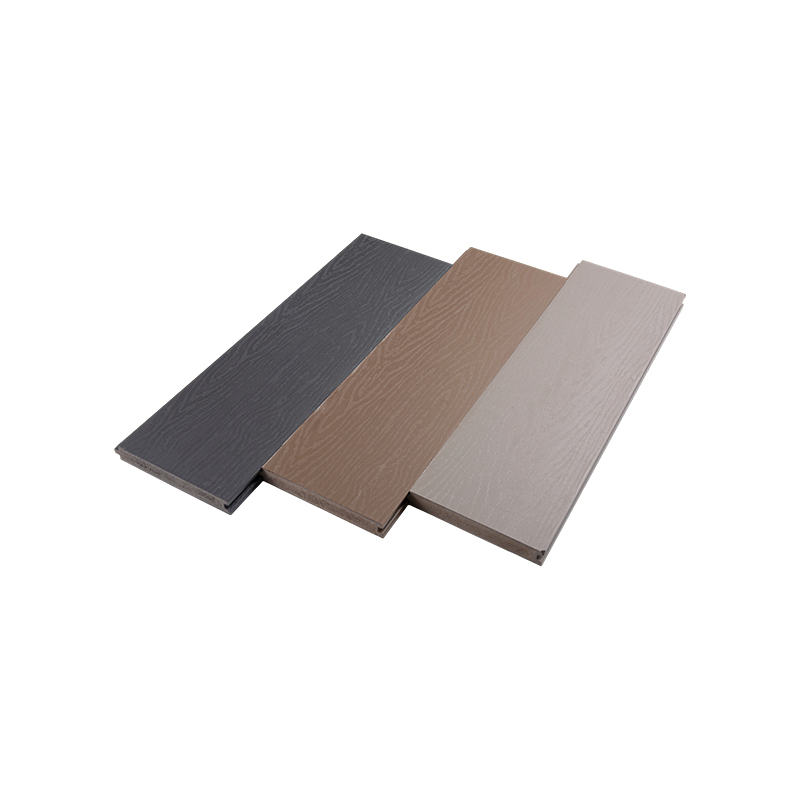 Custom Double armor·full solid series porch floor Manufacturers, CompanyAnhui Airuites New Material Co.,Ltd is China Custom Double armor·full solid series porch floor Manufacturers and OEM/ODM Company,The uniq...View Product →
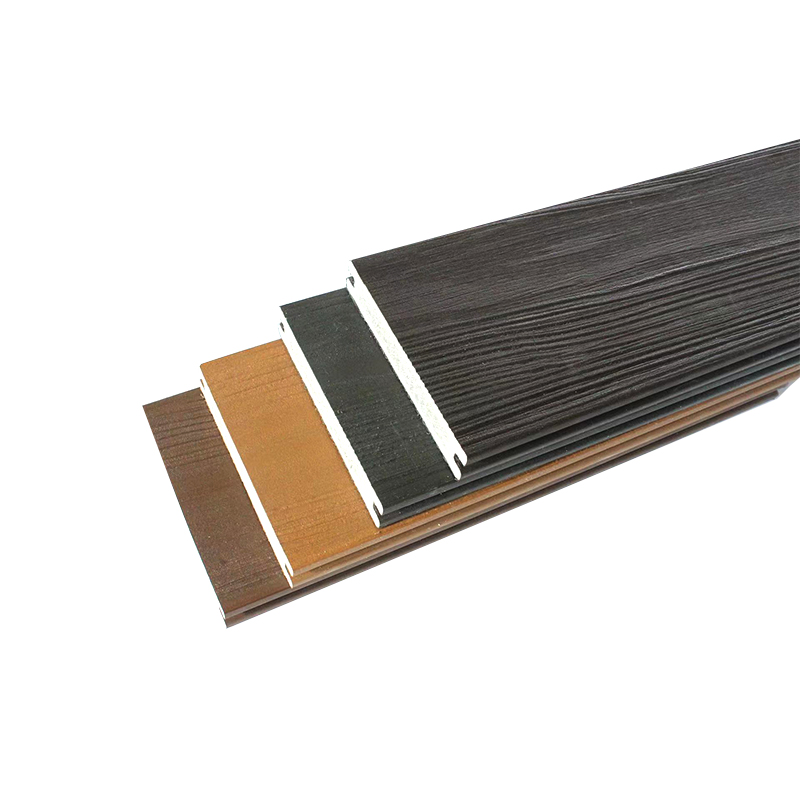 Custom ASA Armor Series Covered Flooring Manufacturers, CompanyAnhui Airuites New Material Co.,Ltd is China Custom ASA Armor Series Covered Flooring Manufacturers and OEM/ODM Company,PVC+ASA coated fl...View Product →
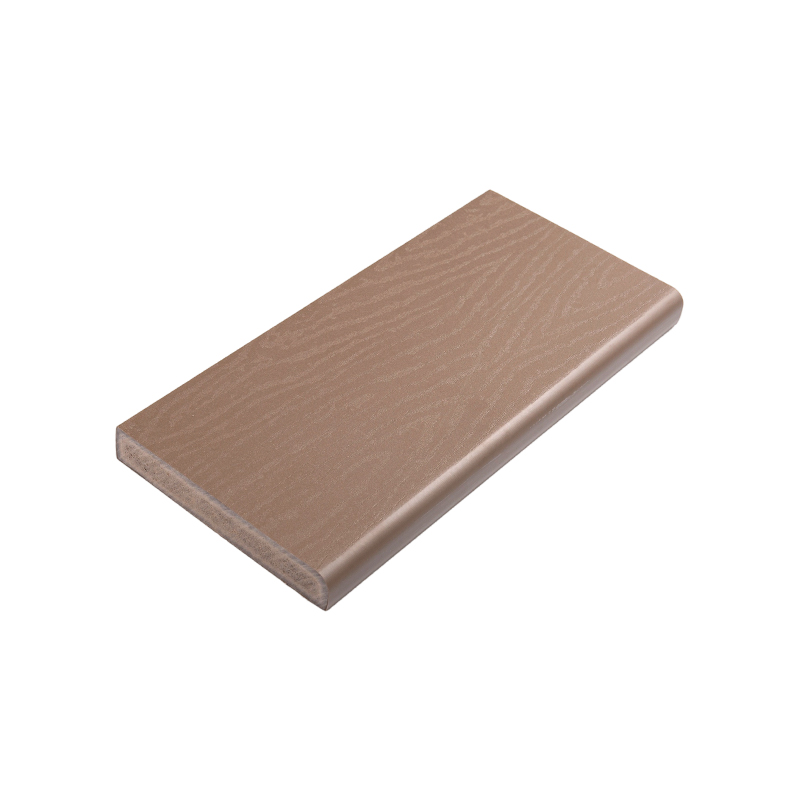 Custom 5.5-inch non-slip stair treads Manufacturers, CompanyAnhui Airuites New Material Co.,Ltd is China Custom 5.5-inch non-slip stair treads Manufacturers and OEM/ODM Company,The design features ...View Product →
PVC Decking Guide: Types, Benefits, and Installation Tips
Content
- 1 What Is PVC Decking?
- 2 PVC Decking vs. Wood vs. Composite: Key Differences
- 3 Main Types of PVC Decking Construction
- 4 Key Features to Look for in High-Quality PVC Decking
- 5 Installation Overview: What You Need to Know
- 6 Maintenance and Long-Term Care
- 7 Is PVC Decking Worth the Investment?
- 8 Conclusion: Choosing the Right PVC Decking for Your Project
Choosing the right material for an outdoor deck or porch often comes down to a simple equation: how much time are you willing to spend on upkeep versus the upfront cost you are prepared to pay. For homeowners and contractors looking at long-term durability in wet or humid climates, PVC decking has become a primary contender. This guide, written from a manufacturer's perspective, covers the material science behind PVC decking, compares it directly to wood and composite alternatives, and outlines the structural types you will encounter. We will also walk through the key quality indicators to check before buying, the installation essentials, and the realistic maintenance routine you can expect over the product's lifespan.
What Is PVC Decking?
PVC decking refers to outdoor flooring boards manufactured primarily from polyvinyl chloride resin. Unlike wood-plastic composite (WPC) decking, which blends wood fibers with plastic, PVC decking contains no wood content. This fundamental difference defines its performance profile: because there is no organic material present, the boards cannot absorb moisture, which eliminates the risks of rot, mold, and delamination that can affect wood-based products.
The manufacturing process begins with PVC resin mixed with stabilizers, pigments, and foaming agents. This compound is heated and forced through an extruder to form the deck board profile. In modern high-end products, a process called co-extrusion is used. This creates a two-layer structure: a dense, durable cap (often made from ASA or pure PVC) bonded to a lighter core layer. The cap provides color stability and scratch resistance, while the core supplies structural rigidity. For a complete look at the range of materials built this way, you can explore our PVC outdoor flooring collection.
PVC Decking vs. Wood vs. Composite: Key Differences
The selection decision usually involves comparing PVC against two established categories: pressure-treated wood and composite decking (typically WPC). The table below summarizes the critical performance differences based on our material testing and field experience.
| Performance Area | PVC Decking | Composite (WPC) Decking | Pressure-Treated Wood |
|---|---|---|---|
| Water Resistance | Excellent (100% waterproof, no wood fiber) | Good (outer cap resists, but core can absorb water if cut or damaged) | Poor (requires sealing to prevent moisture damage) |
| Mold & Mildew | High resistance | Resistant on surface; risk in core if exposed | Susceptible without regular treatment |
| Fading (UV) | High (especially with ASA cap) | Moderate | High (grays over time) |
| Maintenance | Minimal: wash with soap and water | Low: periodic cleaning | High: sand, seal, and stain every 1-2 years |
| Lifespan | 25-30+ years | 20-25 years | 10-15 years |
| Surface Temperature | Can get warm in direct sun | Moderate | Stays cooler |
| Initial Material Cost | Highest | Mid-range | Lowest |
The table confirms PVC's primary advantage: it excels in moisture resistance and longevity. This makes it the preferred choice for specific scenarios. If you are building a screened porch, a deck around a swimming pool, or a structure in a region with heavy rainfall, PVC's waterproof nature is a substantial safety and durability benefit. Its limitations are also clear: the material cost is higher, and the surface can become hot under intense summer sun. For projects where budget is the absolute priority, or where a natural wood aesthetic underfoot is non-negotiable, WPC or wood may be more appropriate despite their higher maintenance needs.
Main Types of PVC Decking Construction
Not all PVC decking is built the same. The internal structure and manufacturing method significantly affect the board's strength, weight, and price. Understanding these three primary constructions will help you match the product to the specific demands of your project.
Full-Solid (All-PVC) Construction
As the name implies, full-solid boards are made entirely from PVC, with both the core and the outer surface being dense and solid. This construction yields the highest impact strength and stiffness among PVC options. It is the best choice for high-traffic commercial applications, second-story decks, or areas that will bear heavy furniture and foot traffic. The boards are noticeably heavier, which contributes to a more solid feel underfoot. Our full-solid porch flooring series is an example of this category, designed for permanent structures.
Custom Double armor·full solid series porch floor Manufacturers, CompanyAnhui Airuites New Material Co.,Ltd is China Custom Double armor·full solid series porch floor Manufacturers and OEM/ODM Company,The uniq...View Product →
Capped or Composite-Capped Construction
These boards feature a core material (which may be foamed PVC or a wood-plastic composite) that is wrapped or capped with a solid PVC shell. The cap provides the weather resistance and color consistency, while the core offers rigidity and reduces overall weight. This structure strikes a balance between cost and performance, making it the most popular option for residential decks. It is easier to cut and handle than full-solid boards, which is a consideration for installation labor costs. The ASA Armor covered decking series is a specific example of this construction type.
Custom ASA Armor Series Covered Flooring Manufacturers, CompanyAnhui Airuites New Material Co.,Ltd is China Custom ASA Armor Series Covered Flooring Manufacturers and OEM/ODM Company,PVC+ASA coated fl...View Product →
Co-extruded Construction
Co-extrusion is a more advanced manufacturing process where the cap layer and the core are extruded simultaneously through a single die, creating a molecular bond between the layers. This eliminates the risk of cap separation or peeling, a failure point that can occur in cheaper laminated products. The cap, often made from ASA (Acrylonitrile Styrene Acrylate), offers superior resistance to UV fading and chemical staining. This is the premium category, suitable for homeowners who expect maximum color retention and surface durability over decades. The Dualengine Crystal Shield series in our catalog uses this dual-layer approach.
Key Features to Look for in High-Quality PVC Decking
When evaluating specific products, you cannot rely on color swatches alone. Here is a practical checklist of technical features that separate a durable PVC deck from a problematic one.
Cap Thickness and ASA Coating
Ask for the thickness of the cap layer. A thicker cap (typically 0.4mm to 0.6mm) provides a deeper protective barrier against scratches and UV rays. Confirm whether the cap is made from ASA or a standard PVC cap. ASA is significantly more resistant to fading and chalking caused by prolonged sun exposure.
Non-Slip Performance
Wet decks are hazardous. Look for a surface texture or embossing that is rated for slip resistance. This is particularly critical for pool surrounds, stairs, and northern climates where rain and dew are frequent. For stairs, specifically, you should verify the grip rating. You can also pair the decking with non-slip stair tread options for added safety on steps.
Custom 5.5-inch non-slip stair treads Manufacturers, CompanyAnhui Airuites New Material Co.,Ltd is China Custom 5.5-inch non-slip stair treads Manufacturers and OEM/ODM Company,The design features ...View Product →
Low-Temperature Impact Resistance
PVC becomes harder and more brittle in cold weather. Substandard materials can crack when hit by falling tools or heavy objects in freezing temperatures. Inquire about the board's impact resistance rating at low temperatures. If you are building in a region with harsh winters, look for a product specifically engineered for cold climates, such as our low-temperature decking series.
Third-Party Certification and Manufacturing Traceability
Reliable manufacturers should certify their products against recognized standards. Look for compliance with ASTM standards for dimensional stability and strength, and ISO 9001 for production quality management. A manufacturer that operates its own laboratory testing equipment is generally more consistent in quality control compared to one that outsources all testing. This is a strong indicator of long-term warranty reliability.
Installation Overview: What You Need to Know
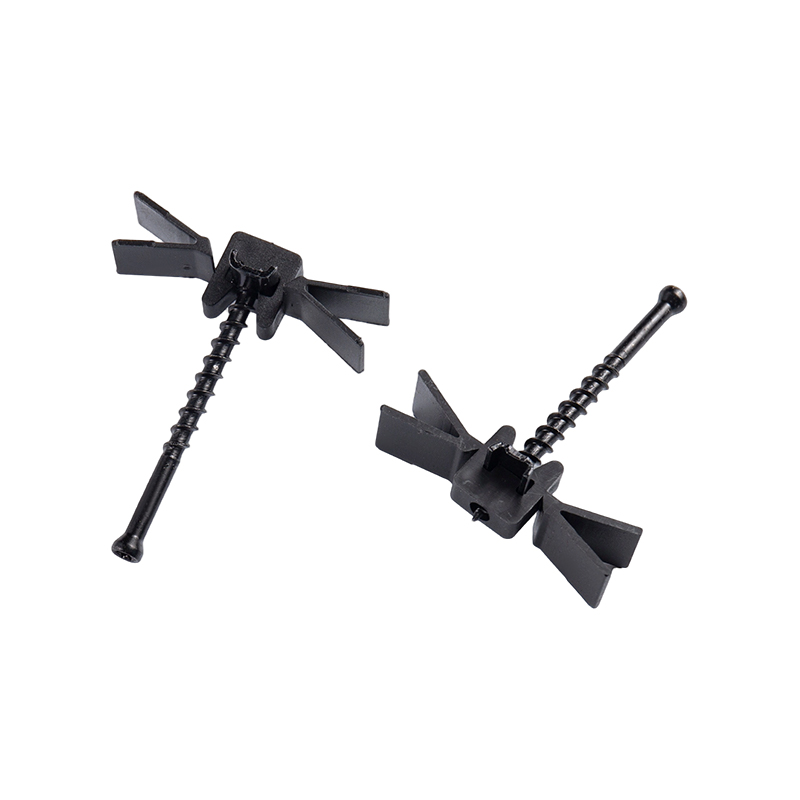
You have two primary methods for attaching PVC deck boards to your joists: hidden fasteners or face screwing. Hidden fasteners, often called clips or buckles, are installed between the boards and attached to the joists. This creates a clean, nail-free surface, making it the preferred choice for aesthetics. It is beginner-friendly because it automatically spaces the boards correctly. Face screwing is simpler and cheaper, but it leaves visible screw heads that must be color-matched and capped with plugs.
Regardless of method, planning for expansion is vital. PVC expands and contracts with temperature changes significantly more than wood. You must leave a minimum expansion gap of 1/4 inch at the ends of boards and around fixed objects like posts and railings. Using a complete range of mounting accessories helps ensure that the correct structural components are used.
Core components you will need for installation are:
- Hidden clips or buckles: These secure the boards to the joists from below.
- End plugs: These are used to cap the exposed ends of boards for a finished look.
- Stainless steel screws: These prevent corrosion in outdoor environments.
- Corner trim: Used to finish the fascia and edges neatly.
Is this a DIY project? For a simple, low-level deck on flat ground, a competent DIYer with basic woodworking tools can manage PVC installation. The boards cut easily with a circular saw and standard carbide-tipped blades. However, for multi-level decks, complex angled cuts, or structures requiring high structural load calculations, hiring an experienced contractor is still the safest path to ensure proper joist spacing and flashing details.
Maintenance and Long-Term Care
The primary promise of PVC decking is low maintenance, and this is generally accurate based on field performance. However, "low maintenance" does not mean "no maintenance." Here is the realistic routine:
- Regular rinsing: A simple hose rinse every few weeks is the most effective way to prevent dirt from settling into the embossed grain.
- Periodic washing: For ingrained dirt, use a soft-bristle brush with a mild detergent mixed with water. Rinse thoroughly afterwards. Avoid pressure washers with high-pressure settings (above 1800 PSI) as they can damage the surface cap.
- Spot treatment: For stubborn stains like grease or food, apply a degreasing cleaner directly and let it sit for 10 minutes before brushing. For rust marks, use a specialized rust remover based on oxalic acid.
The most significant maintenance difference compared to wood is what you do not do: you do not sand, stain, or seal. In snowy regions, remove ice and snow with a plastic shovel to avoid scratching the surface. Avoid using metal shovels, as they will mar the finish permanently.
Is PVC Decking Worth the Investment?
The initial material cost is the most significant barrier for many homeowners. To determine if this premium is justified, you have to look at the total cost of ownership over 20-30 years, rather than just the price per square foot today.
| Cost Component | PVC Decking | Composite (WPC) Decking | Wood Decking (Pressure-Treated) |
|---|---|---|---|
| Initial Material Cost | $6,000 - $9,000 | $4,500 - $7,000 | $1,800 - $2,500 |
| Installation Labor (estimate) | $2,500 - $3,500 | $2,500 - $3,500 | $2,500 - $3,500 |
| Maintenance Costs (stain/seal/labor) | $150 (cleaning supplies) | $300 (cleaning supplies & occasional refinish) | $3,000 - $5,000 (stain/seal every 2 years) |
| Replacement/Renovation Cost | $0 (assumed not needed) | $0 (assumed not needed) | $3,000 - $5,000 (partial board replacement) |
| Total 25-Year Cost | $8,650 - $12,650 | $7,300 - $10,800 | $10,300 - $16,000 |
The estimate above illustrates that while wood has the lowest upfront cost, maintenance and repair expenses quickly erode that advantage. Over a 25-year period, PVC becomes economically comparable to, or even cheaper than, wood when you factor in the value of the time spent on maintenance. For property owners, a low-maintenance deck is also a practical selling point. A deck that looks presentable without the seller needing to invest in a fresh coat of stain before listing can be an advantage in a competitive real estate market.
Conclusion: Choosing the Right PVC Decking for Your Project
PVC decking delivers on its core promises: it is waterproof, resists mold and stains, holds its color well, and requires a fraction of the maintenance that wood demands. It is not a cheap product, and it may not be the best choice if your budget is strictly limited or if you live in a mild climate where wood performance is adequate. But for installations over water, in damp environments, or for homeowners who value their weekends over periodic deck refinishing, PVC is a compelling, long-term investment.
When making your final selection, match the construction type to the use case: choose full-solid boards for heavy-load and second-story structures, and capped or co-extruded boards for standard residential decks where weight and cost are considerations. Verify the cap technology, check for cold-weather impact ratings, and buy from a manufacturer that provides transparent certification standards. We invite you to browse the specifications and warranty details across our product lines to find the exact board that fits your project's structural and aesthetic requirements.
Related Products
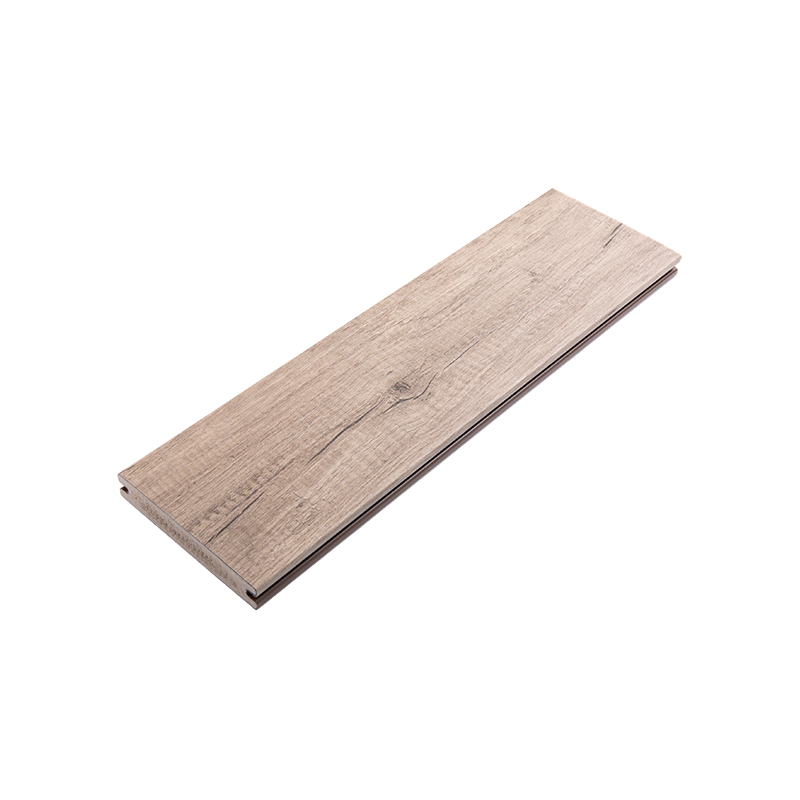

An interior and exterior panel company dedicated to the environmental protection technology research of recyclable materials.
Address
- No. 18, Dexing Road, West District, Guangde Economic Development Zone, Xuancheng City, Anhui Province, China
Quick Menu
Get in Touch
Copyright ©Anhui Airuites New Material Co.,Ltd. All Rights Reserved. Privacy Custom Recyclable Indoor And Outdoor Panels Manufacturer
