
 English
 中文简体
中文简体 Español
Industry News
What Makes PVC Foam Door Jambs a Low-Maintenance Door Frame Solution?
Content
- 1 1. Introduction: What are PVC Foam Door Jambs?
- 2 2. Material Characteristics of PVC Foam Door Jambs
- 3 3. Main Advantages of PVC Foam Door Jambs
- 4 4. PVC Foam Door Jambs Installation Guide
- 5 5. PVC Foam Door Jambs vs Traditional Wooden Frames
- 6 6. Applications of PVC Foam Door Jambs (Part 1)
- 7 7. Applications of PVC Foam Door Jambs (Continued)
- 8 8. Maintenance and Care of PVC Foam Door Jambs
- 9 9. Interior Design Ideas for PVC Foam Door Jambs
- 10 10. Key Factors When Choosing PVC Foam Door Jambs
- 11 11. Development Trends of PVC Foam Door Jambs
- 12 12. Conclusion: Why Choose PVC Foam Door Jambs?
1. Introduction: What are PVC Foam Door Jambs?
In the context of modern construction and interior renovation materials, PVC Foam Door Jambs have gradually become a highly popular choice in door frame systems. PVC Foam Door Jambs refer to door frame structural components made from foamed PVC material, primarily used to support door panels and form the structural edges of door openings.
Compared with traditional wooden door frames, PVC Foam Door Jambs offer significantly better moisture resistance, insect resistance, and structural stability. As a result, they are widely used in residential and commercial spaces, and humid environments such as bathrooms and kitchens.
In recent years, with increasing demand for environmentally friendly and low-maintenance building materials, the usage of PVC Foam Door Jambs has continued to rise, especially in modern minimalist interior design projects.
2. Material Characteristics of PVC Foam Door Jambs
2.1 Structural Advantages of Foamed PVC
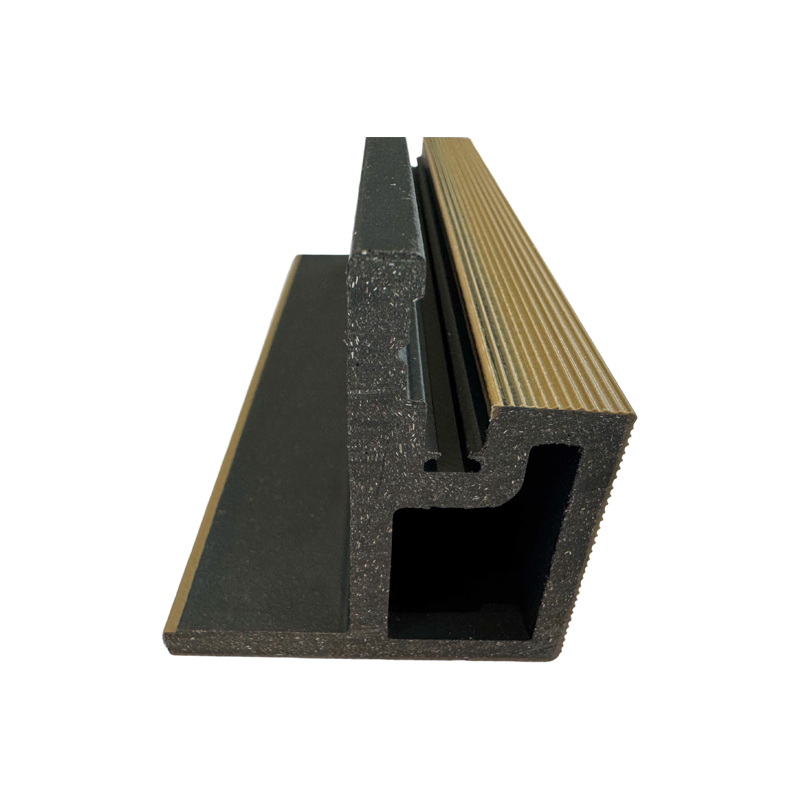
PVC Foam Door Jambs are made with a microcellular foamed PVC structure. This structure allows the material to remain lightweight while maintaining strength. Compared with solid wood frames, it does not deform significantly under changing environmental humidity.
2.2 Waterproof and Moisture Resistance
One of the most important advantages of waterproof PVC door jamb materials is their resistance to water absorption. PVC does not absorb moisture, meaning it will not swell, rot, or mold even in long-term humid environments.
2.3 Insect and Corrosion Resistance
Unlike wood, which is vulnerable to termites and other pests, PVC Foam Door Jambs are completely immune to insect damage. They also resist most chemical cleaning agents.
2.4 Structural Stability
Because the material is not affected by temperature or humidity changes, PVC Foam Door Jambs maintain dimensional stability over time, avoiding cracking or bending issues.
3. Main Advantages of PVC Foam Door Jambs
3.1 Low Maintenance Cost
One of the reasons low-maintenance door jamb PVC foam has become a popular search term is because these products require minimal upkeep. Simple cleaning is usually enough to maintain their appearance without repainting or anti-corrosion treatment.
3.2 Long Service Life
PVC Foam Door Jambs have strong aging resistance and can maintain stable performance for many years without deformation or discoloration.
3.3 Environmental Safety
Modern PVC materials are increasingly environmentally friendly and meet most building safety standards. They do not release harmful substances in indoor applications.
3.4 High Installation Flexibility
Due to their lightweight nature and ease of cutting, PVC Foam Door Jambs are easy to install and suitable for various door opening sizes and structural conditions.
4. PVC Foam Door Jambs Installation Guide
4.1 Preparation Before Installation
Before installing PVC Foam Door Jambs, the following preparation steps are required:
- Accurate measurement of door opening dimensions
- Checking whether the wall surfaces are level and flat
- Preparing cutting tools and fixing materials such as screws and adhesives
4.2 Basic Cutting and Adjustment
Cut PVC Foam Door Jambs according to door opening size. The material is easy to process and can be cut using standard woodworking tools. Ensure edges are smooth to avoid installation gaps.
4.3 Installation and Fixing Steps
- Place the frame vertically into the door opening
- Use a level tool to ensure vertical alignment
- Secure temporarily with screws or adhesive
- Check overall structural stability
4.4 Sealing and Finishing
After installation, sealing treatment is required at joints to improve waterproofing and aesthetics. Common methods include sealant application or decorative trim coverage.
4.5 Common Installation Mistakes
- Improper alignment is causing door operation issues
- Insufficient fixing points leading to instability
- Poor sealing is affecting the moisture resistance
5. PVC Foam Door Jambs vs Traditional Wooden Frames
5.1 Moisture Resistance Comparison
PVC Foam Door Jambs outperform wooden frames in moisture resistance. Wood absorbs water and expands, while PVC remains stable.
5.2 Durability Comparison
Wooden frames are prone to cracking, warping, and insect damage over time, whereas PVC Foam Door Jambs maintain long-term stability.
5.3 Maintenance Cost Comparison
Wood requires regular painting and treatment, while PVC Foam Door Jambs require almost no maintenance, significantly reducing long-term costs.
5.4 Aesthetic and Design Compatibility
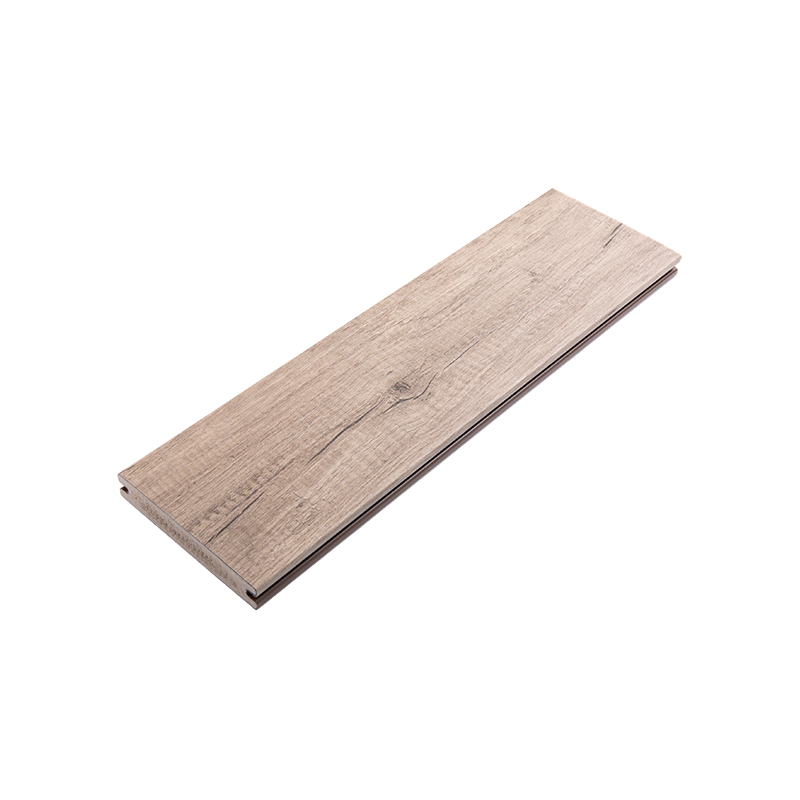
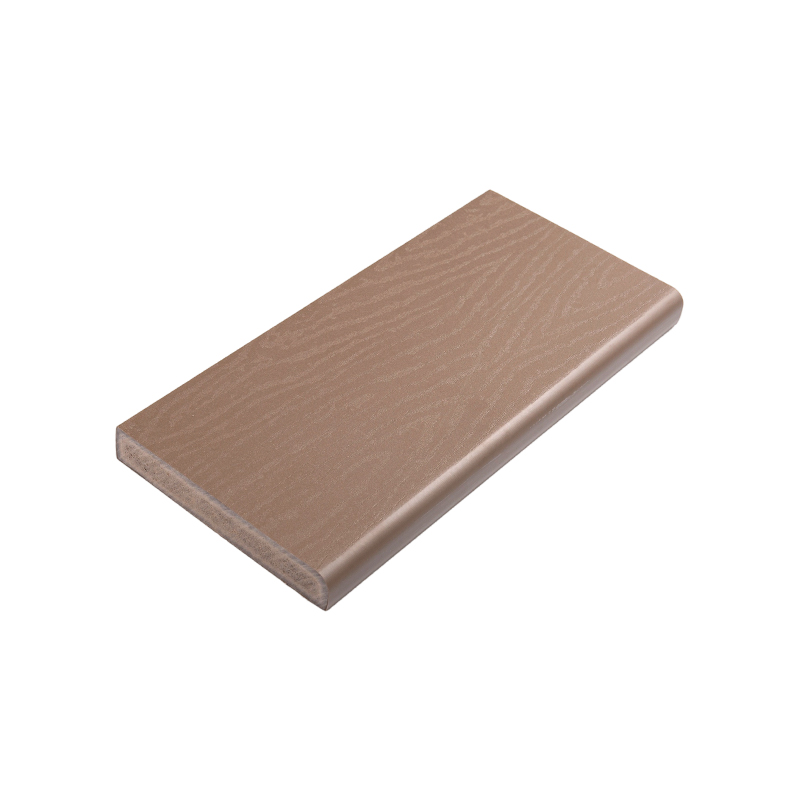
Modern PVC Foam Door Jambs can simulate wood grain textures, making them visually adaptable to various interior styles.
6. Applications of PVC Foam Door Jambs (Part 1)
6.1 Residential Interior Door Systems
In modern homes, PVC Foam Door Jambs are commonly used in bedrooms, living rooms, and other interior door systems due to their stability and aesthetics.
6.2 Humid Environment Spaces
In bathrooms and kitchens, PVC Foam Door Jambs perform exceptionally well, avoiding corrosion issues common in wooden materials.
7. Applications of PVC Foam Door Jambs (Continued)
7.1 Commercial Spaces
In retail stores, offices, and hotels, PVC Foam Door Jambs are increasingly used due to their durability and low maintenance requirements.
They remain stable under frequent use conditions and help reduce long-term maintenance costs.
7.2 Public Buildings and Engineering Projects
In schools, hospitals, and office buildings, PVC Foam Door Jambs are widely used due to hygiene requirements and durability.
They are easy to clean and suitable for mass installation projects.
7.3 New Construction and Renovation Projects
PVC Foam Door Jambs are suitable for both new construction and renovation. They are especially effective in replacing old wooden frames without complex structural demolition.
8. Maintenance and Care of PVC Foam Door Jambs
8.1 Daily Cleaning Methods
Cleaning PVC Foam Door Jambs is simple:
- Wipe surface dust with a damp cloth
- Use a mild detergent for stubborn stains
- Avoid strong acidic or alkaline cleaners
8.2 Avoid Physical Damage
Although durable, PVC Foam Door Jambs should be protected from heavy impacts, sharp scratches, and prolonged pressure.
8.3 Long-Term Inspection Recommendations
- Check for loose screws
- Inspect sealing conditions
- Look for surface wear or damage
9. Interior Design Ideas for PVC Foam Door Jambs
9.1 Modern Minimalist Style
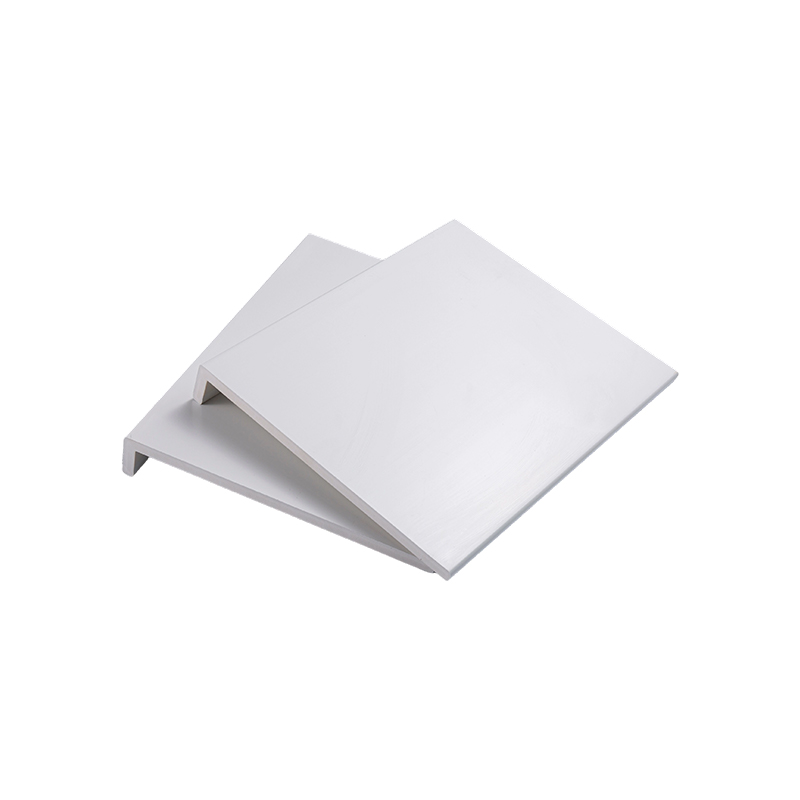
In minimalist interiors, PVC Foam Door Jambs are often designed in white or light gray with clean linear shapes.
9.2 Wood Grain Design Applications
Modern surface technology allows PVC Foam Door Jambs to replicate wood textures, suitable for Nordic, Japanese, and light luxury styles.
9.3 Coordination with Walls and Doors
- Same-color design for seamless integration
- Contrast color for visual impact
- Decorative trims for layered effects
9.4 High-End Interior Applications
In premium spaces, PVC Foam Door Jambs can be enhanced with wider profiles, decorative lines, and concealed door systems.
10. Key Factors When Choosing PVC Foam Door Jambs
10.1 Material Density and Quality
Higher density means stronger durability. Low-density products may deform over time.
10.2 Size and Compatibility
Proper measurement of door openings and wall thickness is essential for accurate installation.
10.3 Surface Treatment
Common finishes include smooth white coating, wood grain lamination, and scratch-resistant layers.
10.4 Cost and Long-Term Value
Although the initial cost may be higher than some wood options, PVC Foam Door Jambs offer superior long-term value due to minimal maintenance.
11. Development Trends of PVC Foam Door Jambs
11.1 Eco-Friendly Materials
Future developments focus on recyclability and low-emission manufacturing processes.
11.2 Design Diversification
- More color options
- More complex structural designs
- Customized dimensions
11.3 Smart Building Integration
PVC Foam Door Jambs may integrate with smart locks and sensor systems in future smart buildings.
12. Conclusion: Why Choose PVC Foam Door Jambs?
In summary, PVC Foam Door Jambs offer significant advantages in modern construction:
- Excellent waterproof and moisture resistance
- Long-term structural stability
- Low maintenance cost
- Easy installation
- Wide range of applications
Whether in residential projects, commercial spaces, or public buildings, PVC Foam Door Jambs provide a practical and cost-effective solution that combines functionality and aesthetics.
With continuous advancements in material technology, their application scope is expected to expand further, making them one of the mainstream choices in modern door frame systems.

An interior and exterior panel company dedicated to the environmental protection technology research of recyclable materials.
Address
- No. 18, Dexing Road, West District, Guangde Economic Development Zone, Xuancheng City, Anhui Province, China
Quick Menu
Get in Touch
Copyright ©Anhui Airuites New Material Co.,Ltd. All Rights Reserved. Privacy Custom Recyclable Indoor And Outdoor Panels Manufacturer
