
 English
 中文简体
 Español
Industry News
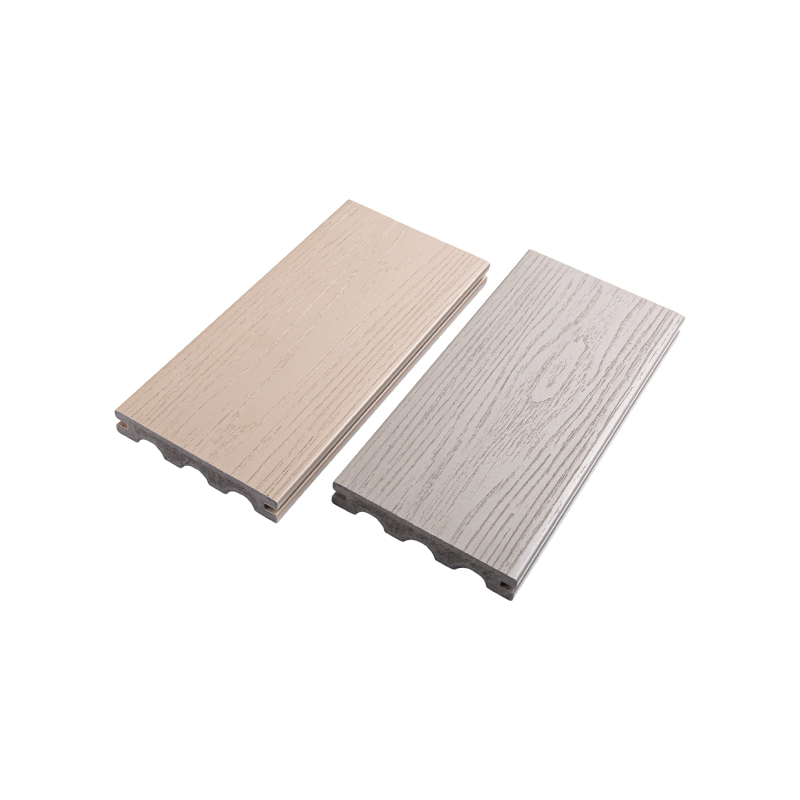
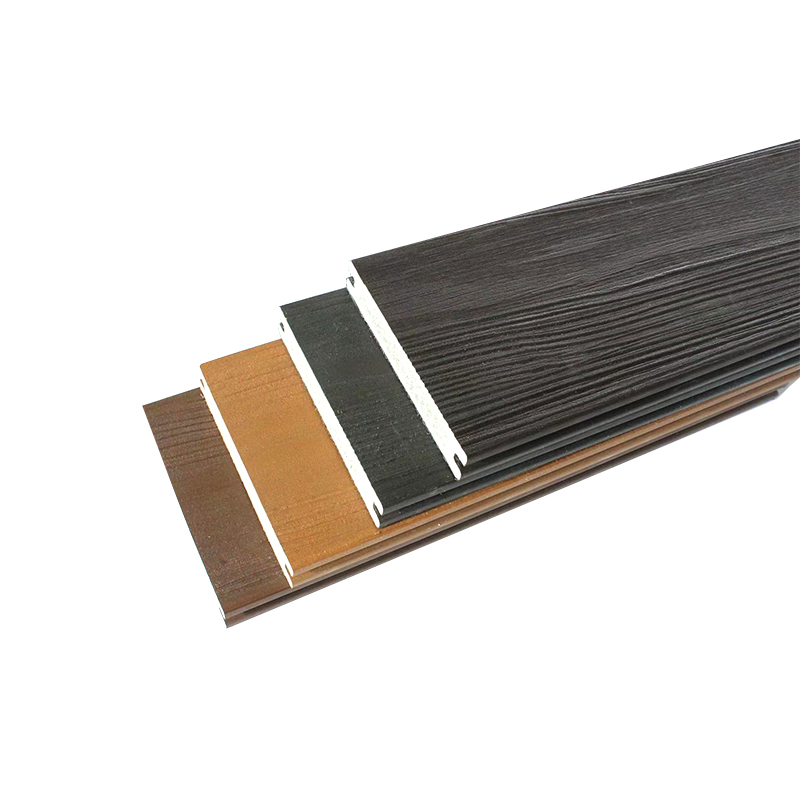 ASA Armor Series Covered FlooringPVC+ASA coated flooring is a type of outdoor flooring designed with a core layer of PVC (polyvinyl chloride resin, a composite material formed by polymerizing various ...View Product →
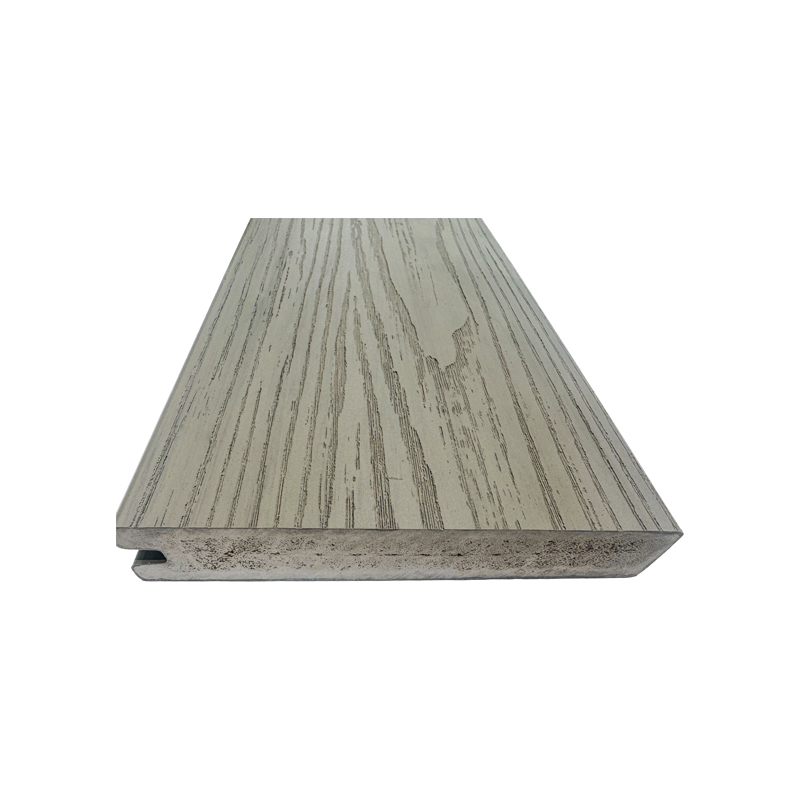
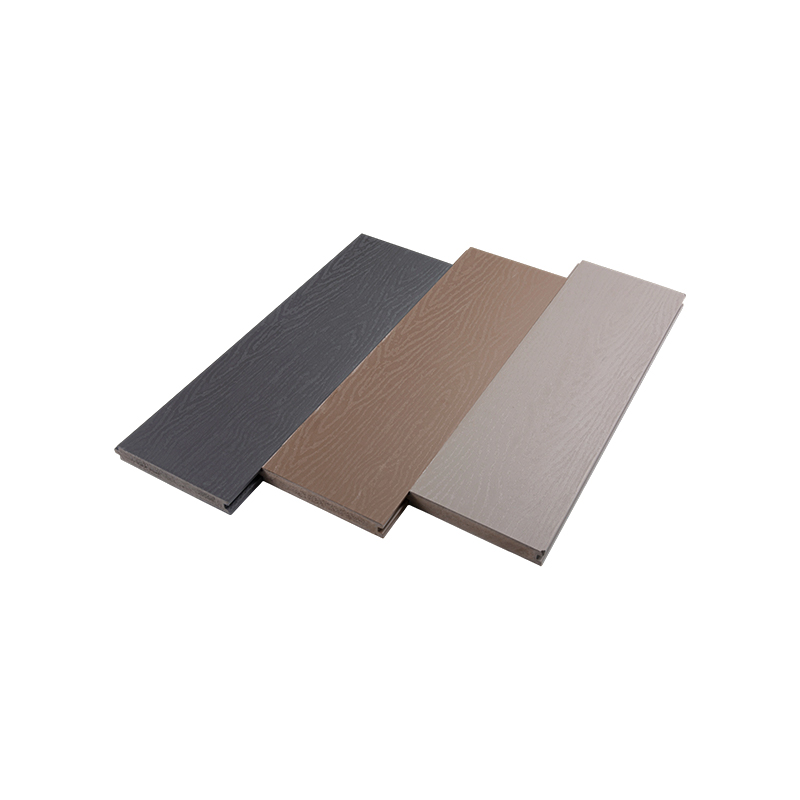 Double armor·full solid series porch floorThe unique concave-convex structure design not only enhances the floor's aesthetics but also improves drainage, keeping the floor dry and tidy. The seamless jointing p...View Product →
How to Clean PVC Decking: A Complete Care & Maintenance Guide for Homeowners
Content
- 1 Why PVC Decking Cleans Differently from Wood and WPC
- 2 Step-by-Step: How to Clean PVC Decking
- 3 Cleaning Reference: Common Stains and the Right Response
- 4 Tools and Cleaners to Avoid
- 5 How Often Should You Clean PVC Decking?
- 6 Preventive Habits That Keep Your Deck Looking New
- 7 Frequently Asked Questions
- 8 Reference Sources
Clean PVC decking with warm water, a few drops of mild dish soap, and a soft-bristle brush, then rinse with a garden hose and let it air dry. That is the entire core routine. Because PVC decking is a non-porous, capped material, dirt and moisture stay on the surface instead of soaking in, so you do not need aggressive chemicals, pressure washing, or heavy scrubbing to keep it looking new. What actually damages PVC decking is using the wrong cleaner or tool — chlorine bleach, acetone, steel wool, and narrow-jet pressure washers cause more harm than years of ordinary grime.
Why PVC Decking Cleans Differently from Wood and WPC
The cleaning method follows directly from the material structure. PVC decking is extruded with a dense cap layer that does not absorb water, so pollen, dust, and most stains simply sit on the surface. Wood works differently: moisture and organic stains soak into the grain, which is why wooden decks eventually need sanding and re-sealing. Many WPC boards are a blend of wood fiber and plastic, and their slightly textured surface can trap dirt in a way a solid PVC cap does not.
That is why the most common cleaning mistakes come from over-treatment. People assume a deck needs powerful chemicals or a high-pressure wash to get clean. With PVC the opposite is true: a gentle wash protects the glossy cap layer, while harsh treatment scratches it, dulls it, or leaves whitish marks that are hard to reverse.
| Property | PVC decking | WPC decking | Wood decking |
|---|---|---|---|
| Surface structure | Non-porous cap layer | Porous composite blend | Absorbent grain |
| Where dirt collects | Stays on the surface | Can lodge in texture | Soaks into the wood |
| Typical cleaning | Mild soap and water | Composite cleaner and brush | Cleaning, sanding, sealing |
| Mold and mildew risk | Low | Moderate | High if unsealed |
PVC boards with a thick ASA or PVC cap layer shed water and dust quickly, which means less frequent washing overall. If you are comparing materials, it is worth checking how ASA-capped PVC decking holds up compared to wood in weathering and long-term exposure.
Step-by-Step: How to Clean PVC Decking
You only need five steps for a full clean. The entire process takes roughly half an hour for a typical porch or deck, and every tool is something you probably already own.
-
Clear the deck
Move furniture, planters, and grills off the surface. Sweep or blow away leaves, sand, and loose dust so the debris does not get ground into the boards while you scrub.
-
Pre-rinse with a garden hose
Rinse the whole deck with plain water to remove fine dust and dampen the surface. A standard hose is enough for this step; there is no need to bring out a pressure washer yet.
-
Apply a mild cleaning solution
Fill a bucket with warm water and add a few drops of mild dish soap. Work in sections of three or four boards, applying the solution with a sponge mop or a soft-bristle brush.
-
Scrub along the board direction
Use light pressure and move the brush parallel to the board length. Scrubbing across the boards can leave micro-scratches that become visible in certain sunlight. For stubborn spots, let the solution sit for two to three minutes before scrubbing again.
-
Rinse thoroughly and let it dry
Rinse each section until no soap residue remains. Leftover soap attracts dust and leaves streaks once it dries. Let the deck air dry completely before moving the furniture back.
Cleaning Reference: Common Stains and the Right Response
Different problems need slightly different cleaners, but none of them require harsh chemicals or heavy equipment. Use the grid when a stain shows up between regular washes.
Mold and mildew
Use an oxygenated, bleach-free deck cleaner. Apply, scrub with a soft brush, rinse, and keep the area dry to slow regrowth.
Oil and grease
Treat quickly. Apply dish soap directly to the stain, scrub gently, and rinse. A degreaser works if the stain has already set.
Rust spots
Use an oxalic acid rust remover on the stained area only. Rinse thoroughly and do not leave it on longer than the instructions say.
Leaf and tannin marks
Clean with an oxygenated cleaner. Do not use chlorine bleach; it can react with tannins and yellow the surface.
Scuff marks
Rub gently with a white melamine eraser pad or a firm nylon brush, then rinse away the loosened material.
Chalky residue
Rinse with plain water or wash with a pH-neutral cleaner. A light chalky film is normal surface weathering, not a defect.
Tools and Cleaners to Avoid
The fastest way to damage PVC decking is to bring the wrong tool to a routine cleaning. These rules protect the cap layer and keep the warranty valid.
| Category | Safe to use | Avoid |
|---|---|---|
| Brushes | Soft nylon or natural-fiber brush, sponge mop | Wire brush, steel wool, abrasive scrubbing pads |
| Cleaners | Mild dish soap, oxygenated bleach-free deck cleaner | Chlorine bleach, acetone, solvent-based paint removers |
| Rinsing equipment | Garden hose, pressure washer below 1,500 psi with a wide fan tip | Turbo or rotary nozzles, holding the tip close to the board |
| Spot treatment | White melamine eraser pad, oxalic acid rust remover | Metal scrapers, concentrated citrus degreasers, paint stripper |
When you are not sure about a cleaner, test it on a leftover cut-off board first. If no off-cut is available, always test a hidden corner before treating a visible area.
How Often Should You Clean PVC Decking?
A quick rinse every two to four weeks is enough for most decks. Plan a full clean, using the five-step routine above, twice a year: once in spring and once in late autumn. Decks under large trees, or located near the coast or in dusty regions, benefit from an extra full clean during the season.
Consistency matters more than timing. A thin layer of dust removed monthly never turns into a stain, while a deck left with packed leaves and dirt for months develops organic buildup that takes far longer to remove.
Preventive Habits That Keep Your Deck Looking New
Cleaning is easier when the surface resists buildup, but a few daily habits make an even bigger difference:
- Sweep high-traffic areas twice a week so grit does not get ground into the surface.
- Place furniture pads or rubber cups under chair legs and table bases to avoid scuffing.
- Set planters on trays or coasters so soil and water never sit directly on the boards.
- In winter, clear snow with a plastic shovel and never use metal blades or ice choppers.
The starting board matters too. A dense cap layer resists grime because it has fewer microscopic openings for dirt and moisture to grip. Our PVC outdoor flooring range is built around this idea, with surface formulations designed to keep routine care at the mild-soap-and-water level.
Among the current line-up, the ASA Armor covered flooring series adds a thick, UV-stable cap that keeps pollen and dust from bonding to the surface.
ASA Armor Series Covered FlooringPVC+ASA coated flooring is a type of outdoor flooring designed with a core layer of PVC (polyvinyl chloride resin, a composite material formed by polymerizing various ...View Product →
For covered porches and semi-enclosed rooms, the Double Armor full solid porch floor is another low-effort option: a fully solid cross-section with no open core or exposed texture for grime to collect in.
Double armor·full solid series porch floorThe unique concave-convex structure design not only enhances the floor's aesthetics but also improves drainage, keeping the floor dry and tidy. The seamless jointing p...View Product →Frequently Asked Questions
Can you pressure wash PVC decking?
Yes, with limits. Use a pressure washer set below 1,500 psi with a wide fan tip, keep the nozzle moving, and hold it at least 12 inches from the boards. For most routine cleaning, a garden hose is sufficient and carries no risk of surface damage.
Does vinegar clean PVC decking?
Diluted white vinegar can remove mild grime and mineral deposits, and it is less aggressive than chlorine bleach. Dish soap and warm water remain the safer default because vinegar is acidic and repeated use can dull the surface. If you do use vinegar, rinse the area thoroughly afterward.
Why does my PVC deck have black or green streaks?
Streaks are usually mold, mildew, or organic buildup in shaded areas where moisture lingers between boards. Clean with an oxygenated bleach-free deck cleaner and a soft brush, then rinse well. Improving airflow under and around the deck slows regrowth.
Can I use bleach on PVC decking?
No. Chlorine bleach can lighten or yellow the cap layer, create white spots, and void the warranty on most PVC decking products. Use an oxygenated cleaner instead, and the surface will return to its original color safely.
Do I need to seal PVC decking?
No. Capped PVC decking is designed so that sealing is unnecessary. A sealer cannot penetrate the non-porous surface, and the film can peel or turn milky over time. A clean rinse after washing is the only coating a PVC deck needs.
Reference Sources
- Decking manufacturer care and warranty documentation
- Building material retailer public maintenance guides
- Industry deck maintenance guidelines published by material suppliers

An interior and exterior panel company dedicated to the environmental protection technology research of recyclable materials.
Address
- No. 18, Dexing Road, West District, Guangde Economic Development Zone, Xuancheng City, Anhui Province, China
Quick Menu
Get in Touch
Copyright ©Anhui Airuites New Material Co.,Ltd. All Rights Reserved. Privacy Custom Recyclable Indoor And Outdoor Panels Manufacturer
