
 English
 中文简体
 Español
Industry News
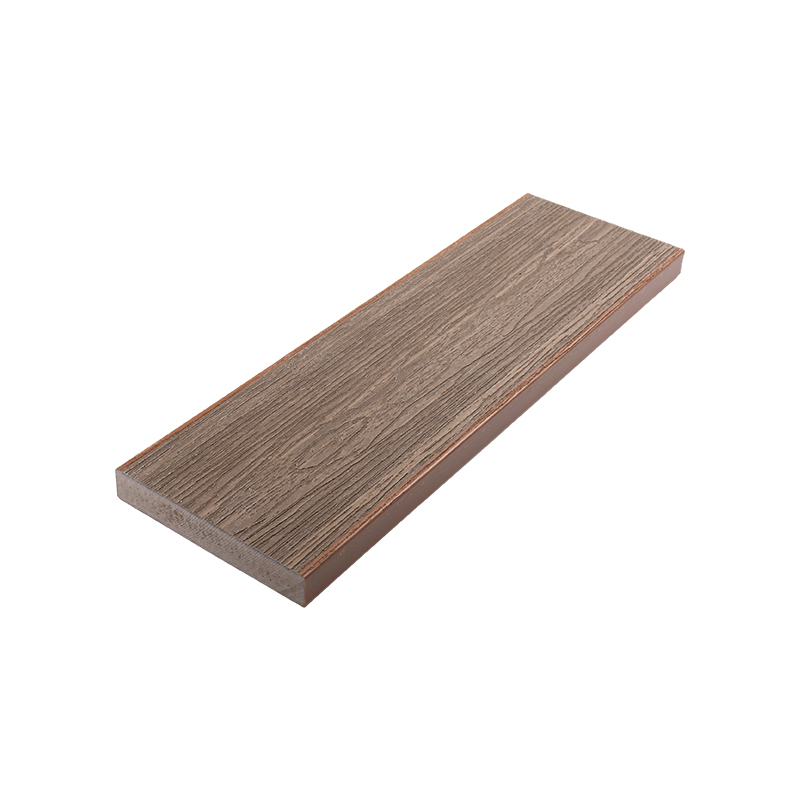
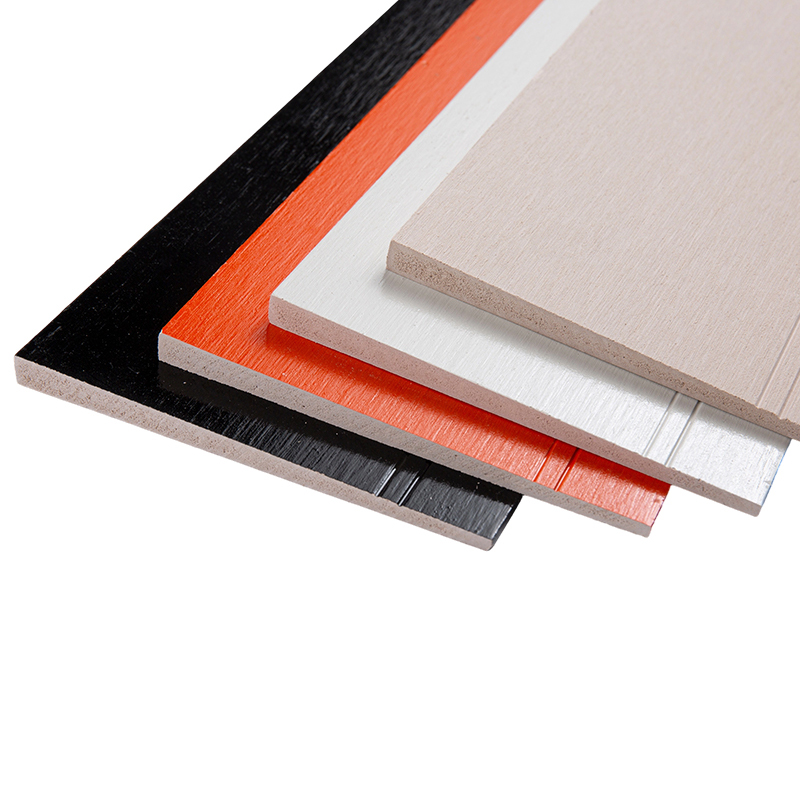 Wood-Plastic Composite Wall Panels for Exterior CladdingDense, capped WPC wall panels with a polished surface that preserves natural wood texture. They are waterproof, fireproof, moisture-proof, and insect-resistant, making them a practical choice for outdoor walls.View Product →
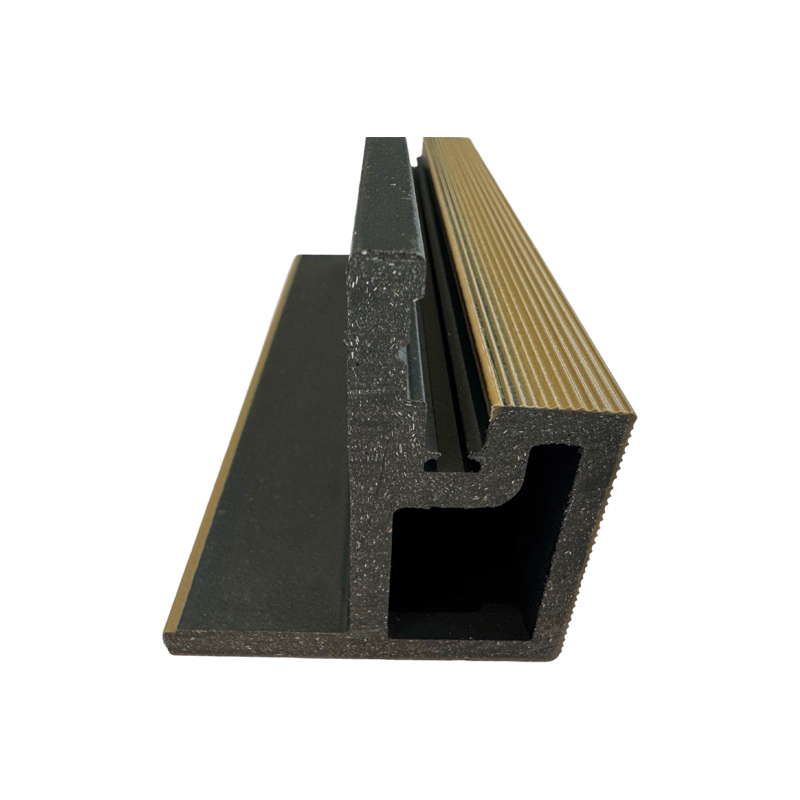
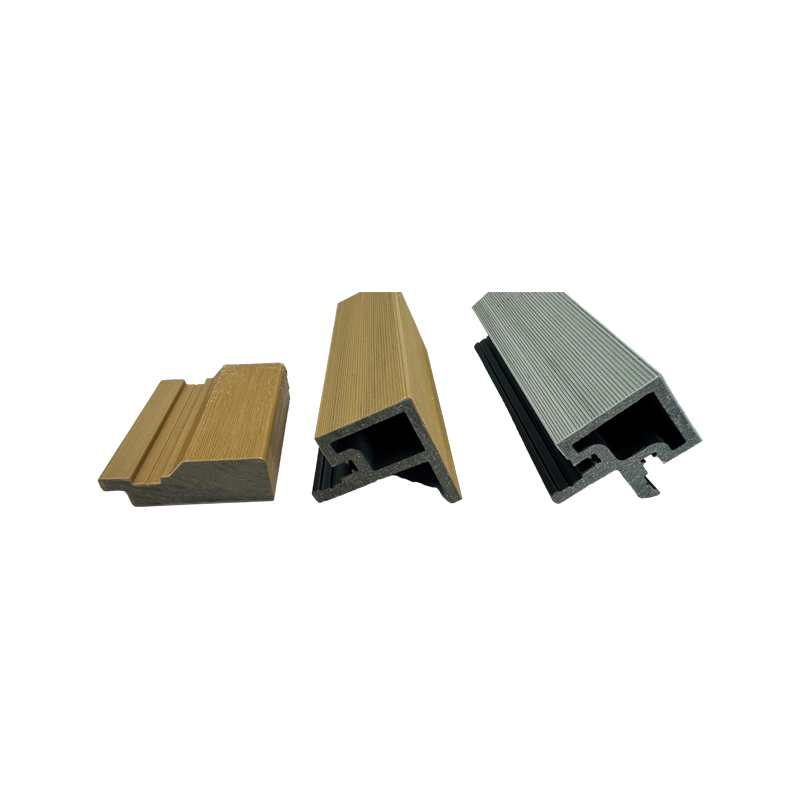 Corner Accessories for WPC Wall PanelsA range of corner fittings sized and shaped for various wall panel types, including thin, thick, and curved profiles. They provide stability and load-bearing support where panels meet at corners.View Product →
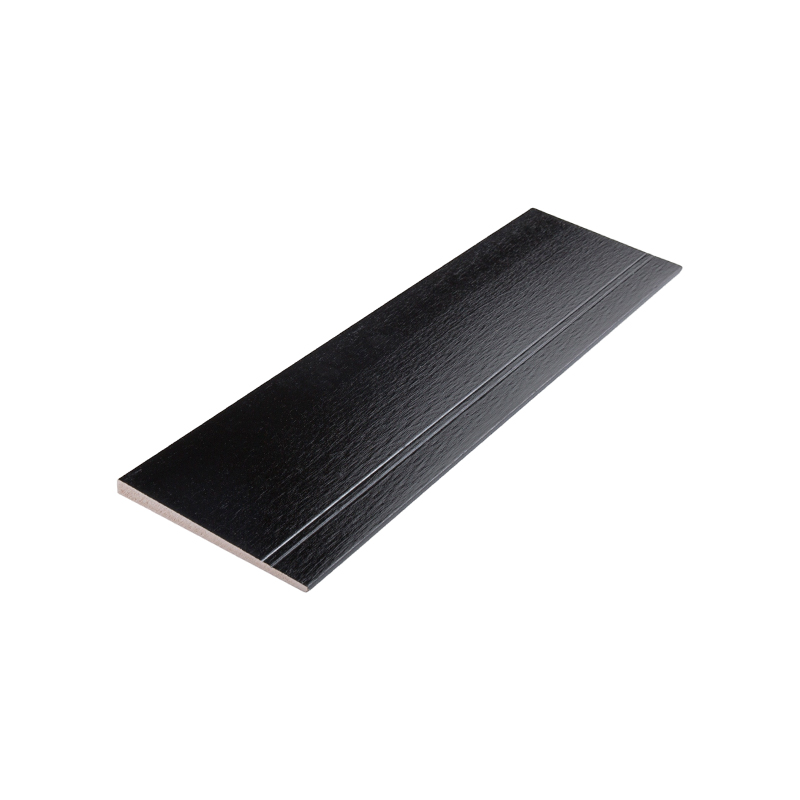
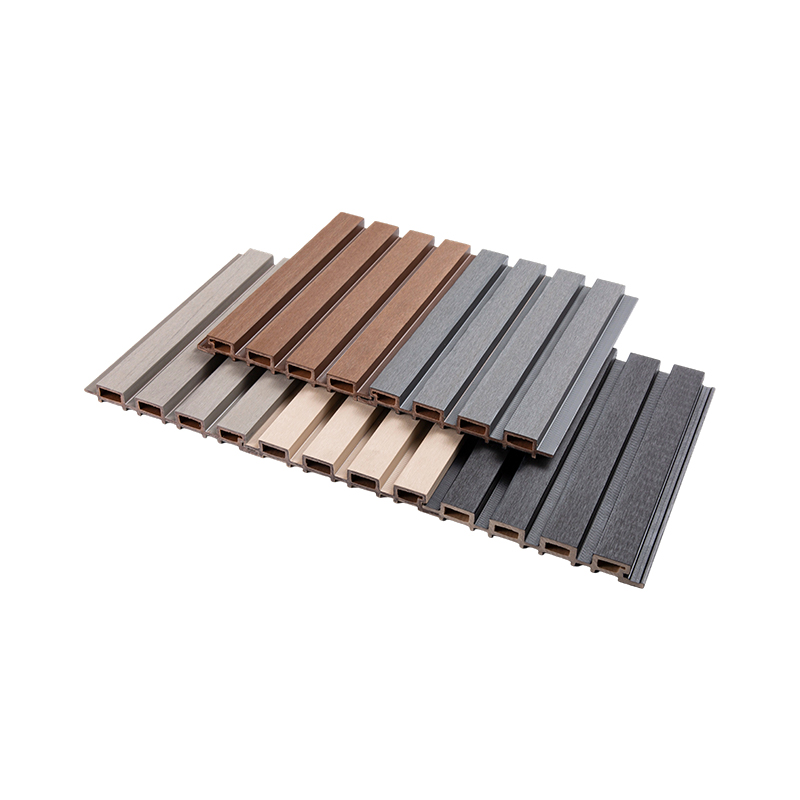 ASA Fluted 3D Wood-Grain Wall PanelsCo-extruded panels with a ribbed profile that recreates linear architectural texture. They combine recycled wood fiber and plastic for weather resistance, with options for custom color sampling.View Product →
WPC Outdoor Wall Panels: The Durable, Low-Maintenance Siding Choice for Decades
WPC outdoor wall panels are a durable, low-maintenance cladding material made from wood fiber and thermoplastic resin, and they outperform natural wood siding in moisture resistance, insect protection, and long-term upkeep. If you want the warm, textured look of timber without yearly sanding, sealing, or repainting, WPC panels deliver that appearance while staying stable through sun, rain, and seasonal temperature swings. They suit exterior accent walls, full facades, privacy screens, and semi-outdoor spaces, and the most reliable versions add a co-extruded ASA or PVC cap layer for stronger UV and moisture protection. For renovators, contractors, and designers, the main appeal is predictable behavior: no seasonal cracking checks, no moisture-caused swelling behind paint, and fewer call-backs after installation.
What Is a WPC Outdoor Wall Panel?
The name breaks down into four words: wood, plastic, composite, and panel. Manufacturers blend wood flour or bamboo fiber with thermoplastic resin and additives, then extrude the mixture into boards with deeply embossed wood-grain surfaces. Because the plastic matrix wraps each wood particle, the finished panel absorbs far less moisture than solid lumber, which is why WPC resists warping, splitting, and fungal decay in outdoor conditions.
Two constructions dominate the market. Single-layer panels keep the entire body as one wood-plastic blend and hold the cost down. Co-extruded panels add a thin outer layer, usually ASA or PVC, fused to the core during the same extrusion run. That cap layer is the most important upgrade for exterior use: it shields the wood-plastic core from UV light, surface chalking, and water intrusion. For a wall that faces direct sun and driving rain, co-extruded WPC is the lower-risk choice.
The same logic applies whether you buy a stock profile or a branded system. Our wood-plastic composite wall panels are manufactured as dense, capped profiles designed specifically for outdoor cladding.
Wood-Plastic Composite Wall Panels for Exterior CladdingDense, capped WPC wall panels with a polished surface that preserves natural wood texture. They are waterproof, fireproof, moisture-proof, and insect-resistant, making them a practical choice for outdoor walls.View Product →WPC vs. Wood vs. Vinyl: A Practical Comparison
Most buyers compare WPC against two familiar alternatives: natural wood siding and vinyl siding. There is no perfect material, only trade-offs. The table below summarizes what actually changes when you specify WPC on an outside wall.
| Property | Natural wood siding | Vinyl siding | WPC wall panel |
|---|---|---|---|
| Appearance | Authentic grain but knots and splits can appear | Uniform, flat, sometimes glossy | Deep embossed grain with a matte, wood-like surface |
| Ongoing maintenance | Needs regular sanding, staining, or painting | Occasional washing only | No sealing or painting; rinse with water |
| Moisture behavior | Swelling, rot, and mold in damp climates | Very low absorption, fully water-resistant | Low absorption; resists rot and mold |
| Impact resistance | Splits under hard impact | Dents and can crack in cold weather | Rigid core with better impact tolerance than vinyl |
| Thermal movement | Moves with humidity changes | High expansion; dark colors can warp | Moderate movement; capped versions stay straighter |
| UV stability | Grays and roughens over time | Fades and may chalk | Uncapped types fade; ASA-capped panels hold color well |
Read the table row by row. Wood looks authentic but asks for the most maintenance of the three. Vinyl is inexpensive and water friendly but can look plasticky and turns brittle after long UV exposure. WPC sits in the middle with convincing grain, real rigidity, and a fraction of the upkeep, provided you choose a panel with a proper cap layer. The trade-off is usually upfront price. WPC panels cost more per square meter than vinyl and sometimes more than painted wood, so the return comes from reduced labor and finishing costs over the life of the wall. If your project budget is tight, keep expectations realistic: a cheaper uncapped board can lose its surface quality faster than premium vinyl.
Where to Use WPC Outdoor Wall Panels
WPC wall panels are not a universal cure for every cladding problem, but they handle a specific set of projects very well. Four situations appear again and again in real installations.
Exterior accent walls
One feature wall around an entry door or along a patio edge adds texture and shadow lines without covering the whole house in an unfamiliar material.
Full facade cladding
Installed over furring strips, the panels form a ventilated rainscreen that lets trapped moisture escape behind the wall.
Balcony and terrace partitions
A semi-open partition cuts wind and adds screening in spaces where painted wood degrades quickly and vinyl looks out of place.
Fence and boundary walls
Matching wall panels with a WPC grille fence creates a uniform outdoor look. For a related view, see how WPC grille fences work as a low-maintenance privacy solution.
How WPC Wall Panels Are Installed
Installation follows a straightforward sequence, but skipping preparation work is how most problems start. The process below matches the concealed-fix method used on most WPC cladding systems.
- Build the mounting plane. Fix furring strips vertically or horizontally to create a level surface and an air gap between the wall and the back face of the panels. Use corrosion-resistant screws driven into the framing, and check every strip with a level.
- Lay out and cut the panels. Mark panel positions and fastener points before cutting. Carbide-tipped blades produce clean edges, and drilling pilot holes where screws pass close to a panel end prevents cracking.
- Fix the panels. Start from a corner or door edge, level the first board, and secure it with the clips or screws supplied with the system. Leave a small expansion gap between boards so they can move with temperature changes.
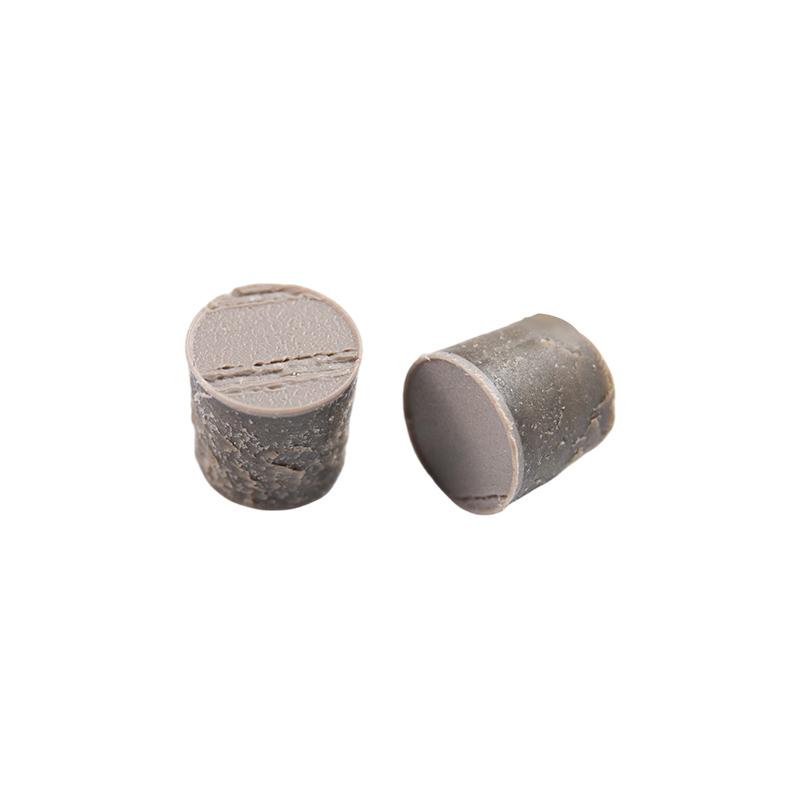
- Finish corners and ends. Outside corners, panel ends, and screw heads need clean closing details. Use corner trim, installation buckles, or plugs from the matching accessory range so the wall looks finished and water has no easy path behind the boards.
Corner Accessories for WPC Wall PanelsA range of corner fittings sized and shaped for various wall panel types, including thin, thick, and curved profiles. They provide stability and load-bearing support where panels meet at corners.View Product →Choosing the Right WPC Outdoor Wall Panel
Once you decide on WPC, differences between suppliers start to matter. Keep these four factors on your checklist.
- Cap layer. An ASA or PVC co-extrusion is the difference between a panel that fades after a few seasons and one that keeps its color for years.
- Profile and surface. Deeper grooves cast stronger shadows but collect more dust; a flatter profile is easier to clean. Order a sample and judge the grain in real light before committing.
- Fastener compatibility. Confirm whether the system uses hidden clips, exposed screws with plugs, or both, and check that matching corner and end accessories are available.
- Warranty and documentation. Ask for the physical property data, including moisture absorption and bending strength, plus the warranty terms. A supplier who documents these values is a safer partner.
If you prefer a linear architectural texture over horizontal wood grain, our ASA-fluted 3D wood-grain wall panels give you a ribbed profile with the same weather resistance. Before you commit to a color, request a physical sample: contact our team for samples, installation documents, and project-specific advice. A sample board also tells you about thickness, texture, and how the color behaves in different light, which no digital image can show.
ASA Fluted 3D Wood-Grain Wall PanelsCo-extruded panels with a ribbed profile that recreates linear architectural texture. They combine recycled wood fiber and plastic for weather resistance, with options for custom color sampling.View Product →Frequently Asked Questions
Is a WPC outdoor wall panel waterproof?
WPC has very low water absorption, so it resists rot and swelling far better than wood. It is not a fully waterproof membrane, though; joints, corners, and openings still need proper flashing and sealing so moisture cannot get behind the cladding.
How long do WPC wall panels last outdoors?
Service life depends mainly on the cap layer and the local climate. Uncapped WPC will fade and chalk visibly after years in direct sun. A well-made co-extruded panel with an ASA cap holds its surface much longer and typically outlasts the warranty periods most manufacturers offer.
Can WPC wall panels be painted?
Technically yes, but painting cancels the low-maintenance advantage, and the coating will need regular attention. It is better to select a factory color that fits the project and let the capped surface work as designed.
Do WPC wall panels expand and contract?
Yes. Every thermoplastic moves with temperature changes. The solution is not to prevent movement but to accommodate it with small gaps between panels and correct fastener spacing. A proper installation manual states these details for the specific profile.
Are WPC wall panels an environmentally friendly choice?
Most WPC products use recycled plastic and wood byproducts, which reduces virgin material demand compared with solid wood or fully virgin vinyl. Because the panels need no paint, stain, or sealer over their service life, they also remove a recurring source of chemical use. Check the supplier's own sustainability documentation for specific recycled-content claims.
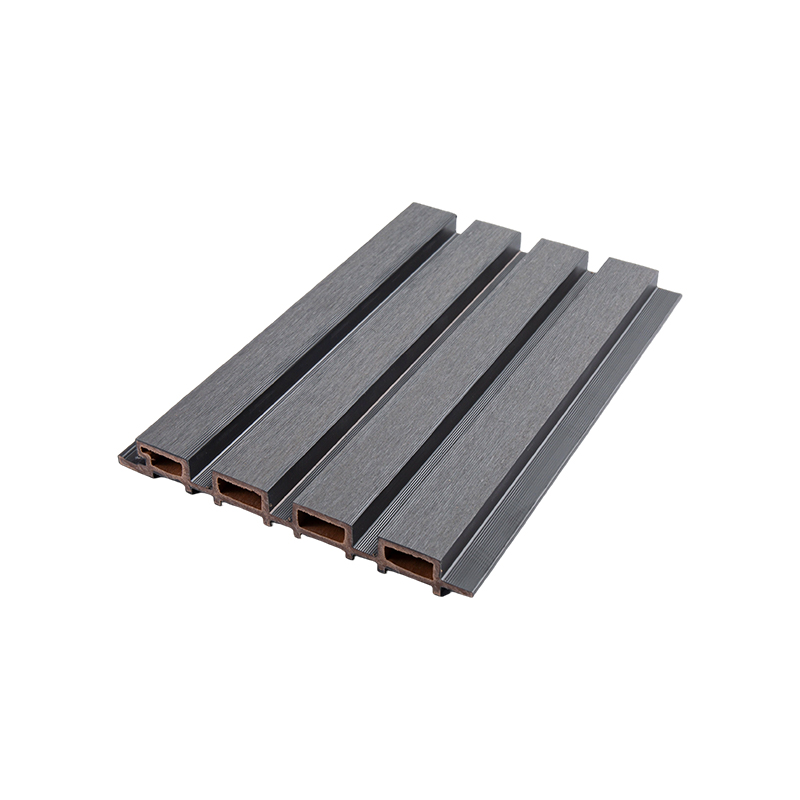

An interior and exterior panel company dedicated to the environmental protection technology research of recyclable materials.
Address
- No. 18, Dexing Road, West District, Guangde Economic Development Zone, Xuancheng City, Anhui Province, China
Quick Menu
Get in Touch
Copyright ©Anhui Airuites New Material Co.,Ltd. All Rights Reserved. Privacy Custom Recyclable Indoor And Outdoor Panels Manufacturer
