
 English
 中文简体
 Español
Industry News
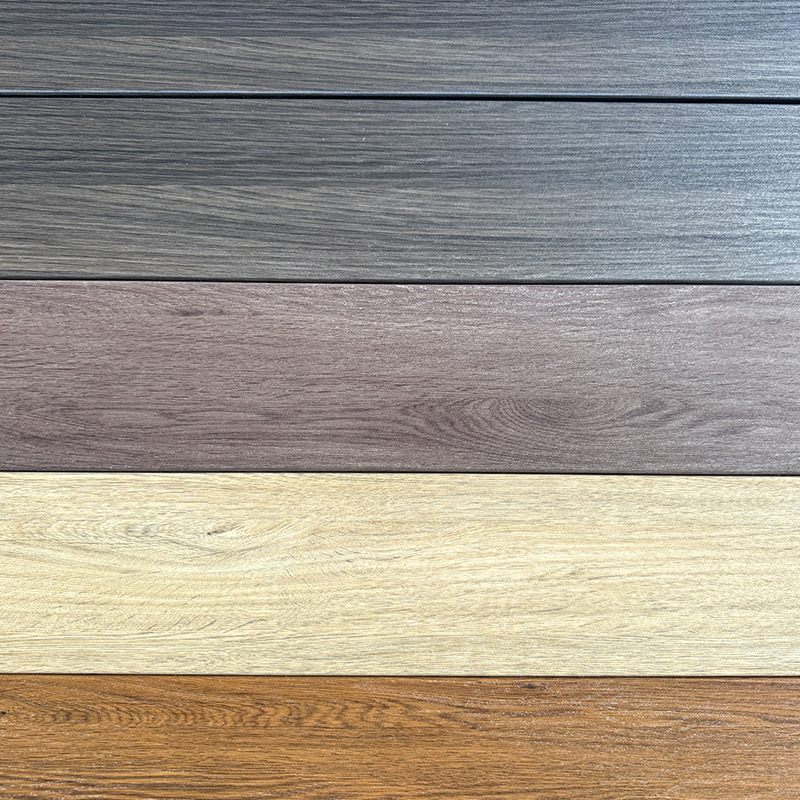 Surpasser PVC Decking Boards for Moisture-Resistant Outdoor FloorsA solid-core PVC decking option featured with the Armorskin series, ideal for enclosed porches and low-clearance decks where moisture and condensation are concerns. It offers authentic wood grain with minimal upkeep.View Product →
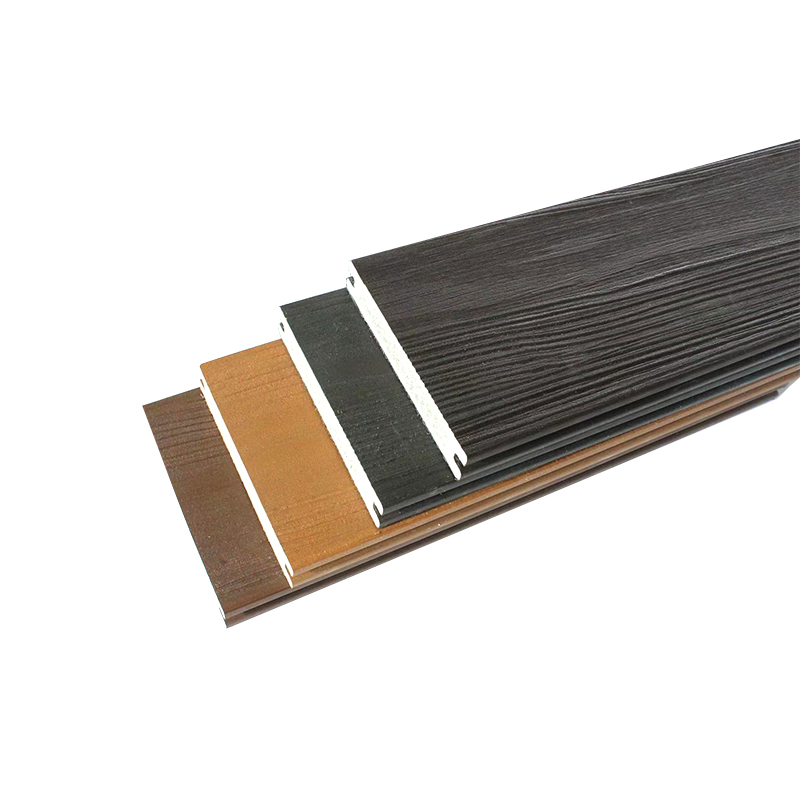 ASA Armor Series Covered Flooring with UV-Resistant Top LayerThis PVC flooring pairs a solid core with a protective ASA cap for enhanced UV and weather resistance. It features 3D wood grain embossing and a 20-year colorfastness, bridging the visual gap to real hardwood.View Product →
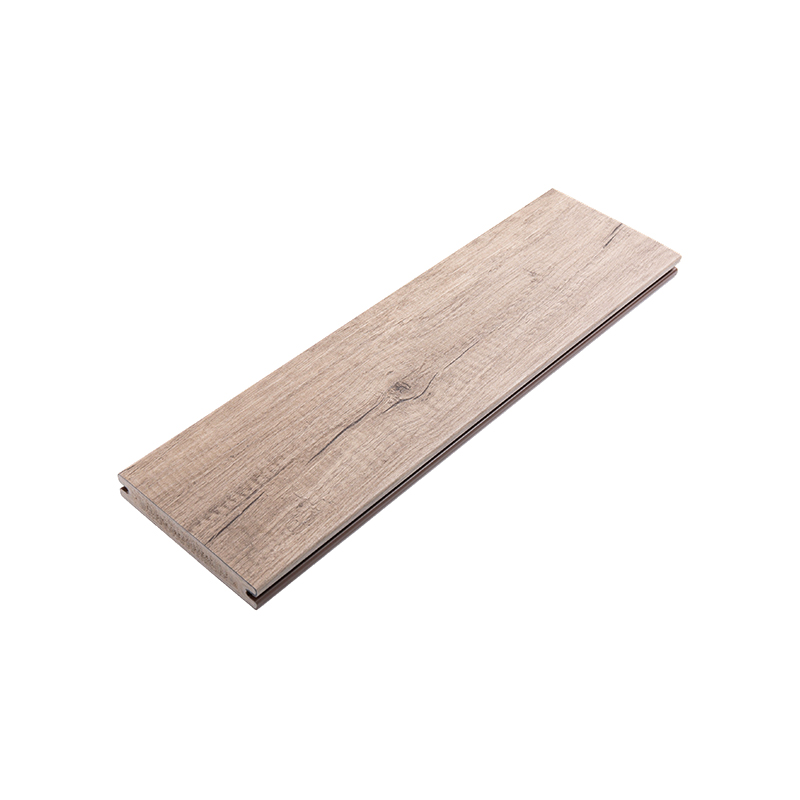
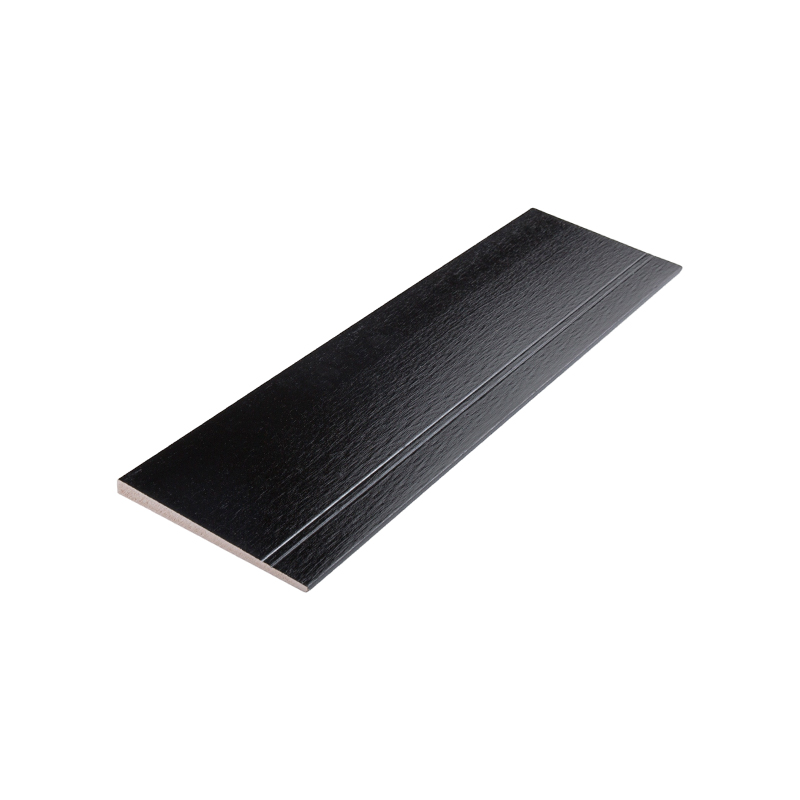
 Dual-engine Crystal Shield Two-Tone PVC FlooringA two-tone PVC deck board with different colors on front and back, offering natural wood grain effects and durable outdoor performance. Its wear and UV resistance suit terraces and boardwalks while matching recent color trends.View Product →
PVC vs Composite Decking: Key Differences, Costs, and Performance Compared
Content
- 1 What is PVC decking?
- 2 What is composite decking?
- 3 PVC vs composite decking: side-by-side comparison
- 4 Cost: what you pay now and later
- 5 Moisture, mold, and coastal conditions
- 6 Durability: scratches, dents, and fading
- 7 Appearance and design flexibility
- 8 Installation and thermal movement
- 9 Environmental considerations
- 10 How to choose: a practical decision guide
- 11 Bottom line
The decision between PVC and composite decking usually comes down to one practical question: where do you expect the board to fail first? Both outperform wood, and both are marketed as low-maintenance alternatives. But they are made from fundamentally different materials, and that difference drives every comparison that matters — price, lifespan, moisture performance, scratch resistance, and how the deck will look after five summers of sun.
If you want the short answer: choose PVC for decks exposed to constant moisture, humidity, or coastal salt air, and choose composite when your budget is tighter, your deck is shaded, or you want a heavier board that feels more like wood underfoot.
What is PVC decking?
PVC (polyvinyl chloride) decking is a synthetic board made with no wood fiber. Manufacturers extrude the polymer into hollow, capped, or fully solid profiles, and most modern lines add an ASA cap layer to improve color retention and resistance to sun damage. Because the surface and the core are both plastic, PVC decking absorbs almost no water and will not feed mold, mildew, or insects.
Solid-core PVC is the most durable configuration. It feels denser, holds fasteners more securely, and leaves no interior void where condensation can collect. Hollow profiles are lighter and cheaper, but they cannot match the rigidity of a solid board. For enclosed porches, screened patios, and low-clearance decks with limited airflow, full-solid PVC is the safest long-term choice. The Armorskin series in our outdoor flooring range is a direct example of this construction.
Surpasser PVC Decking Boards for Moisture-Resistant Outdoor FloorsA solid-core PVC decking option featured with the Armorskin series, ideal for enclosed porches and low-clearance decks where moisture and condensation are concerns. It offers authentic wood grain with minimal upkeep.View Product →What is composite decking?
Composite decking, often called WPC (wood-plastic composite), blends recycled wood fiber with recycled polyethylene or polypropylene. A typical formula contains 40 to 60 percent wood fiber and 30 to 50 percent plastic. The wood content gives composite boards a heavier, more substantial foot feel and better natural dent resistance than PVC. It is also the source of the material's main weakness: wood fiber absorbs moisture.
Capped composite was developed to solve that problem. A polymer shell is fused around the wood-plastic core so rainwater cannot easily reach the interior. Capped boards resist stains, fading, and surface growth far better than first-generation composite and now dominate the market. The cap does not change cut edges, however. Every field cut, fastener hole, or notch exposes the wood-filled core, and sustained moisture in those spots can lead to swelling and staining.
Read the warranty carefully; some manufacturers limit acceptable field cuts, cap thickness, and installation climates.
PVC vs composite decking: side-by-side comparison
The table below summarizes the factors that most influence buying decisions. Treat it as a starting point, then check the cap specification and warranty details of the specific product line you are considering.
| Factor | PVC decking | Composite decking |
|---|---|---|
| Composition | 100% synthetic polymer, often with ASA cap | Wood fiber + recycled plastic, optional polymer cap |
| Water absorption | Near zero | Very low in capped boards; exposed cores absorb moisture |
| Mold and mildew risk | Very low | Moderate, higher in humid or shaded locations |
| Typical upfront cost | $7-$13 per square foot | $5-$10 per square foot |
| Expected lifespan | 30 years or more | 20-30 years |
| Scratch resistance | Scratches more easily; damage is usually cosmetic | Harder surface; deep scratches expose the core |
| Dent resistance | Softer polymer can dent | Wood fiber adds rigidity |
| Color retention | Excellent with ASA cap | Good when capped; fades without |
| Heat behavior | Dark colors get hot in full sun | Comparable; heats slightly more slowly |
| Thermal movement | Expands and contracts more | More dimensionally stable |
| Weight | Lighter, easier to handle | Heavier, more solid feel |
Cost: what you pay now and later
Composite is usually the cheaper material upfront. Standard capped composite runs from about $5 to $10 per square foot, while most PVC board lines fall between $7 and $13 per square foot. On a 300-square-foot deck, that gap can mean $600 or more in board material alone.
Long-term cost is a different calculation. PVC decking lasts 30 years or more, needs no sealing, and rarely requires board replacement because of moisture damage. Composite typically serves 20 to 30 years, but planters, hot tubs, and heavy furniture that trap moisture against the surface can shorten that life when the cap is scratched or cut. When a composite board starts to fail, it fails from the wood fiber inward.
Installation cost differs too. Heavier composite boards can raise shipping and labor charges, while PVC demands wider gapping and more fasteners for thermal movement. Neither needs painting or staining, so annual upkeep cost is near zero.
Moisture, mold, and coastal conditions
If your deck will sit near a pool, lake, shoreline, or anywhere boards stay wet for long periods, PVC is the stronger choice. Because PVC contains no organic material, it cannot absorb standing water and cannot offer mold a food source. That is why boat docks, pool surrounds, and boardwalks frequently specify PVC boards.
Composite decking handles ordinary rain well, which is what the cap is for. The risk appears at unprotected edges: cut ends, routed grooves, and fastener locations. An uncapped composite board in a shaded, humid corner can develop surface mildew in the first year. Cleaning restores the look, but moisture that works into the wood-plastic core accelerates color change and can eventually weaken the board.
Coastal buyers should also plan for metal. Salt air does not corrode either decking material, but it attacks exposed fasteners and framing. Stainless-steel screws and aluminum substructures are worth the premium in marine climates regardless of which deck board you choose.
Durability: scratches, dents, and fading
The two materials wear differently. Composite resists dents and impact better because the wood fiber creates a harder, more rigid surface. Dropped tools, moving furniture, and hail are less likely to leave permanent marks. PVC is a softer polymer; dragging a heavy grill or planter across it can leave a groove that cannot be sanded out.
Scratches create a different risk profile. A scratch through the cap of a capped composite board exposes the wood-filled core, which absorbs water and gradually changes color. A scratch on PVC exposes more PVC, so the damage is mostly cosmetic. Many light PVC scratches can be minimized with careful heat treatment, but confirm the method with the manufacturer's care guide first.
Color retention depends more on the cap than on the core. PVC boards with a thick ASA cap hold color under intense sun for decades. Composite caps vary widely, and cheaper lines still fade noticeably within five to seven years. Our field comparison of ASA-capped PVC decking against wood shows similar long-term color behavior in full sun; you can read the full results in our durability review.
For buyers who want a fused wear layer, covered PVC boards combine a solid core with a protective top layer that blocks UV and lowers surface temperature on sunny days. The ASA Armor covered flooring line is built on this principle.
ASA Armor Series Covered Flooring with UV-Resistant Top LayerThis PVC flooring pairs a solid core with a protective ASA cap for enhanced UV and weather resistance. It features 3D wood grain embossing and a 20-year colorfastness, bridging the visual gap to real hardwood.View Product →Appearance and design flexibility
Composite has a long-standing edge in realistic wood grain. Because the wood fiber content accepts deep embossing well, premium lines produce grain patterns that are hard to distinguish from real hardwood in a photograph. PVC decking used to look flatter and more artificial, but modern ASA-capped boards have closed most of that gap with synchronized grain embossing that matches the printed texture.
Color options now overlap heavily. Both materials offer grays, browns, tans, redwood, and tropical hardwood tones. Two-tone boards, which blend two shades into a single plank, were once a composite exclusive but are now made in high-end PVC lines as well. The Dualengine Crystal Shield series in our portfolio applies that same technique to PVC boards.
Dual-engine Crystal Shield Two-Tone PVC FlooringA two-tone PVC deck board with different colors on front and back, offering natural wood grain effects and durable outdoor performance. Its wear and UV resistance suit terraces and boardwalks while matching recent color trends.View Product →
If you are matching new boards to existing trim, fascia, or wall cladding, buy from a single manufacturer because colors rarely match across suppliers.
Installation and thermal movement
Both materials cut and route with standard woodworking tools, and both use hidden or color-matched fasteners. The important difference is thermal expansion. PVC expands and contracts more than composite, so it is installed with wider spacing and, in many systems, special fasteners that allow slight movement. A PVC deck built with tight seams in summer can buckle in winter; the same deck built with generous gaps may show wider seams in the hottest months. That behavior is physical, not a defect, but it means the installer must follow the gap guide consistently.
Composite boards are heavier and more dimensionally stable. They still move, but at roughly half the rate of PVC on a comparable span, and they are less inclined to cup or twist over long runs. For multi-level decks, stair framing, and complicated perimeter details, that stability simplifies layout. Always use the manufacturer's recommended fastener pattern; generic deck screws void warranties on nearly every capped decking brand, PVC or composite.
Environmental considerations
Composite is often promoted as the greener option because it recycles wood fiber and plastic film that might otherwise reach a landfill. That claim is legitimate. PVC decking, by contrast, is made from virgin polymer, although many PVC formulations now include recycled resin, and the boards can be recycled again at end of life. PVC production carries a different chemical footprint, so the honest comparison depends on specific sources and manufacturing practices.
Both materials share a low lifetime footprint. Neither needs stains, sealers, or insect treatments that wash into the soil, and neither requires harvesting tropical hardwood. Because both last two to three times longer than pressure-treated lumber, the per-year environmental cost of a manufactured deck is far smaller than that of a wood deck replaced twice in the same period.
How to choose: a practical decision guide
Use these scenarios as a starting point.
- Choose PVC if your deck is at ground level with poor airflow, sits over a living space, faces salt spray, or if you want the longest lifespan and lowest maintenance.
- Choose composite if you need to control the initial budget, prefer a heavier board that feels more like wood, value deep grain embossing, or if your deck is mostly shaded.
- Verify the details before purchase: warranty length, cap thickness, the manufacturer's climate recommendations, and whether stair treads, fascia, and trim are available in the same color.
Heat deserves its own note. Dark PVC boards absorb strong direct sun and can be uncomfortable to walk on barefoot in the afternoon. The same is largely true of dark composite, although the denser surface transfers heat more slowly on first contact. If your deck faces west without shade, choose a light gray or tan tone in either material rather than charcoal or deep brown.
Bottom line
PVC and composite are both good decking materials, but they are good in different places. Choose PVC when moisture, humidity, salt air, or maximum lifespan are the driving concerns. Choose composite when weight, wood-like feel, and upfront budget matter more. The right answer for your project is the material that fits your climate, your substructure, and the way you plan to use the space.

An interior and exterior panel company dedicated to the environmental protection technology research of recyclable materials.
Address
- No. 18, Dexing Road, West District, Guangde Economic Development Zone, Xuancheng City, Anhui Province, China
Quick Menu
Get in Touch
Copyright ©Anhui Airuites New Material Co.,Ltd. All Rights Reserved. Privacy Custom Recyclable Indoor And Outdoor Panels Manufacturer
