
 English
 中文简体
 Español
Industry News
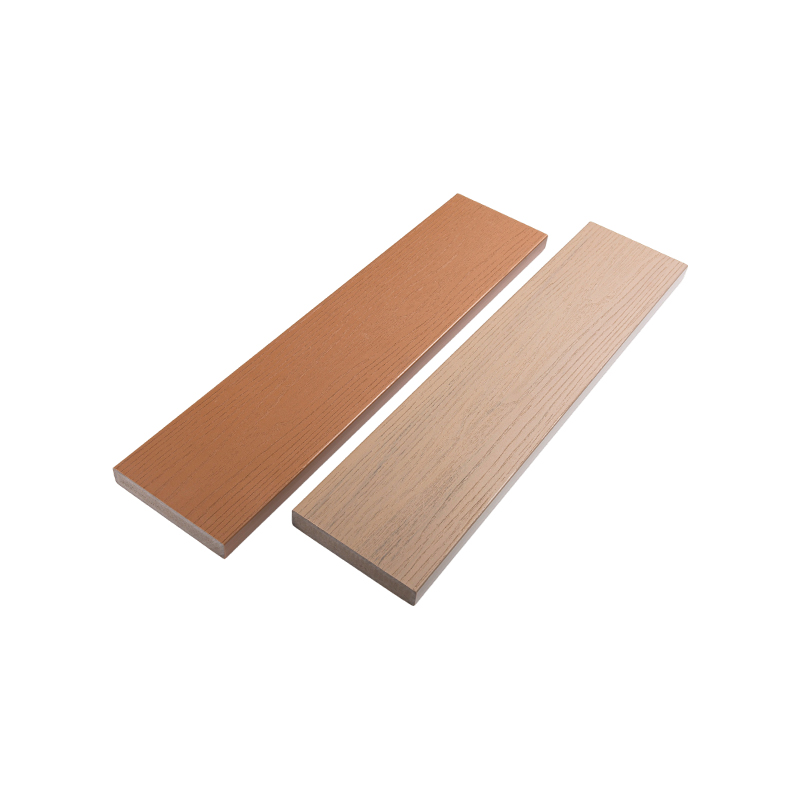
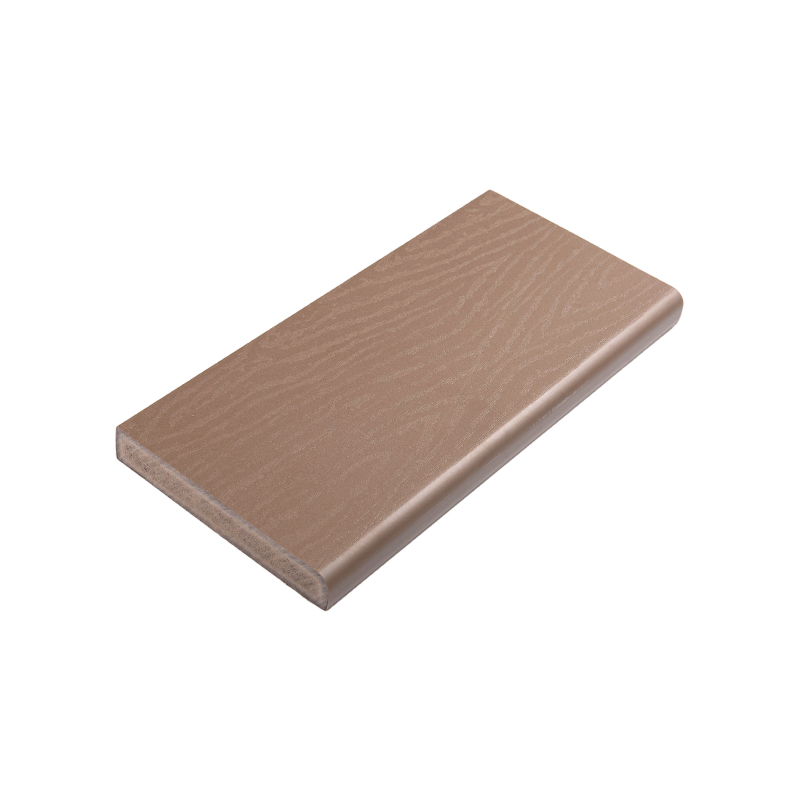 Custom 5.5-Inch Non-Slip PVC Stair TreadsA narrow textured PVC tread for adding grip to a sound stair edge without rebuilding the whole step; direct-paste installation and customizable finishes.View Product →
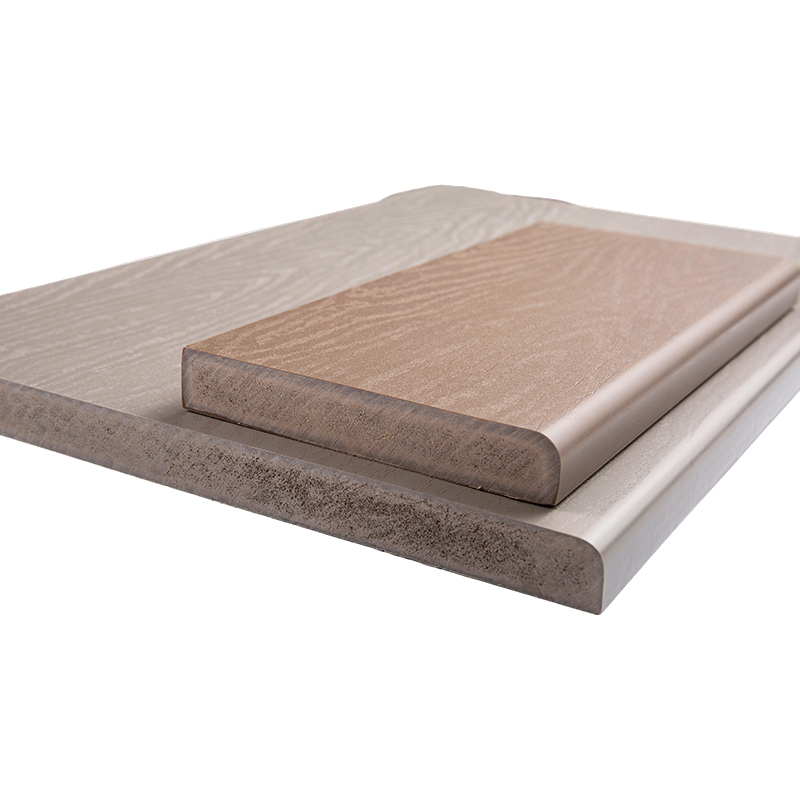 Custom 12-Inch Covered PVC Stair TreadsA wider PVC tread cover for high-traffic porch or garden stairs, offering more foot contact and covering a worn nosing with a textured anti-slip surface.View Product →
How to Make Outdoor Stairs Less Slippery?: Practical Applications, Selection
Content
- 1 Why do outdoor stairs become slippery?
- 2 What is the fastest fix for slippery outdoor stairs?
- 3 Which anti-slip solution fits your stair?
- 4 How should you prepare wood, concrete, and composite stairs?
- 5 Where exactly should grip be placed?
- 6 What maintenance keeps outdoor stairs safe?
- 7 Frequently asked questions
Quick answer: The most reliable way to make outdoor stairs less slippery is to remove the slippery layer first, then add a grippy surface and keep water moving off the treads. In practice, that means cleaning off algae, moss, and dirt; checking drainage and lighting; and choosing a textured stair tread, anti-slip strip, or grip coating that suits the stair material and local weather. A quick strip of tape alone will not fix a stair that stays wet and shaded.
Why do outdoor stairs become slippery?
The problem is rarely just one smooth board. Outdoor stairs collect water, dust, pollen, and organic growth. Shaded stairs stay damp longer, and a thin film of algae can be as slick as wet ice. Timber and composite treads may also develop a polished, glazed surface after years of foot traffic, while concrete can hold a fine layer of dirt that turns greasy when wet.
Before buying anything, look at the stair as a water system. Does rain run toward the tread or away from it? Do the risers trap leaves? Does the handrail cast a permanent shadow? These details decide whether a surface treatment will last or fail.
- Water retention: flat or poorly sloped treads hold a film of water.
- Organic growth: algae, moss, mold, and leaf litter create a slick layer.
- Worn finishes: wood, concrete, and composite can become smooth with age.
- Contamination: sand, soil, and pollen are carried onto the steps and act like ball bearings.
- Frost and ice: no coating fully solves ice, but texture and drainage reduce the risk.
If the stair is slippery only after rain, drainage and biological growth are the first suspects. If it is slippery most of the time, the surface itself is probably too smooth.
What is the fastest fix for slippery outdoor stairs?
Start with a deep clean and a water test. Scrub the treads with a stiff brush and a suitable cleaner, rinse thoroughly, and let them dry. Then pour a little water across the tread. If it beads and runs off quickly, the surface may be sealed too smoothly. If it spreads and stays, the stair is holding moisture.
After cleaning, add a mechanical grip surface if the tread is still slick. Mechanical grip is more dependable than a thin coating because it keeps working as the surface wears.
- Clear leaves, soil, and loose debris from every tread and riser.
- Scrub off algae and dirt, then rinse and let the stair dry completely.
- Check the slope and clear any blocked drainage path or gap at the nosing.
- Fit a textured tread cover, anti-slip strip, or grip coating made for outdoor use.
- Press or fasten the product firmly and let it cure before regular traffic.
- Recheck the stair after the first heavy rain and adjust as needed.
For a permanent upgrade, replace worn or overly smooth treads with non-slip stair treads that have a textured walking surface and a profile that sheds water. A narrow anti-slip strip can be enough for a lightly used back step. For a main entrance stair, a full tread cover is usually more secure because it covers the whole footfall zone rather than a single line.
Custom 5.5-Inch Non-Slip PVC Stair TreadsA narrow textured PVC tread for adding grip to a sound stair edge without rebuilding the whole step; direct-paste installation and customizable finishes.View Product →
A 5.5-inch anti-slip tread is a practical choice when the nosing is sound but the centre of the step has lost grip. It adds a defined textured edge without rebuilding the whole stair.
Which anti-slip solution fits your stair?
Match the fix to the material and the way the stair gets wet. The grid below is a quick screening tool, not a substitute for checking the actual tread.
Shaded timber stairs
Clean off algae first, then fit a textured tread cover. Improve airflow and runoff so growth does not return.
Smooth concrete steps
Etch or grind the slick layer, then add strips or a suitable coating. Avoid thick paint that softens in sun.
Composite or PVC treads
Use a covered tread or factory-textured board. Aggressive scrubbing can polish the surface and make it slicker.
Frost-prone steps
Add texture and keep drainage clear. Use grit where ice forms, but remove it before it clogs drains.
High-traffic entrance
Choose a full-depth tread cover with a raised pattern and corrosion-resistant fasteners.
Rental or low-budget fix
Clean thoroughly, apply a quality anti-slip strip, and recheck after the first heavy rain.
For a high-traffic porch or garden stair, a 12-inch covered stair tread gives the foot more contact area than a narrow strip and can cover a worn nosing at the same time.
Custom 12-Inch Covered PVC Stair TreadsA wider PVC tread cover for high-traffic porch or garden stairs, offering more foot contact and covering a worn nosing with a textured anti-slip surface.View Product →How should you prepare wood, concrete, and composite stairs?
The preparation matters as much as the product. A grip strip fixed to a dirty or flaking surface will lift at the edges, and a coating applied over damp timber will trap moisture.
| Stair surface | Clean and prepare | Grip option | Practical caution |
|---|---|---|---|
| Timber | Remove algae and loose finish; let the wood dry; sand lightly. | Textured tread cover or outdoor anti-slip strips. | Do not seal a damp board; trapped moisture can lift the finish. |
| Concrete | Scrub, degrease, and etch or grind the slick layer. | Anti-slip coating with grit or mechanical strips. | Acid etching needs careful neutralising and personal protection. |
| Composite or PVC | Wash with a mild cleaner; avoid polishing or heavy abrasion. | Factory-textured covered tread or full tread replacement. | Aggressive scrubbing can make the surface smoother. |
| Painted metal | Remove rust and loose paint; prime bare spots. | Grip tape or a textured coating. | Cheap tape can peel in heat, frost, or repeated cleaning. |
If the nosing is rounded or broken, replace the tread rather than building up layers of tape. A sound, slightly textured surface is safer than a thick repair that lifts at the edge.
Where exactly should grip be placed?
Put grip where the foot lands and where water crosses the nosing. On a typical outdoor stair, that means the front half of the tread and the leading edge. Do not rely on a single narrow piece at the very front if the stair is wide or the tread slopes backward; the heel and the centre of the foot also need contact.
For strip products, follow the manufacturer’s spacing and use a primer if recommended. Press the strip down firmly, then let it cure before traffic. On open-riser stairs, keep the back edge clear so water and debris can escape. On closed stairs, check that the tread does not pond against the riser.
Full tread covers are easier to get right on worn steps because they set a consistent walking surface across the whole tread. They also hide cracks and old screw holes, provided the substrate is sound and the fasteners are suitable for outdoor use.
Lighting is part of slip prevention. A stair can be mechanically grippy and still be dangerous if the nosing disappears in shadow. Add a light at the top and bottom, or use contrast tape on the edge if the stair is used after dark.
What maintenance keeps outdoor stairs safe?
Grip and drainage are not fit-and-forget items. Leaves, pollen, and grit fill texture over time. A stair that was safe in spring can become slick by autumn.
- Clear leaves and debris from treads and risers before the rainy season.
- Wash with a mild cleaner; avoid waxes or oily products that leave a film.
- Check anti-slip strips and tread fixings twice a year, and after storms.
- Trim plants that keep the stair damp or drop sap and leaves.
- Repair loose or rocking treads; movement breaks the seal and traps water.
If the stair has a consistent slope toward the house or a flat landing that holds water, correct the drainage rather than adding more surface texture. A small channel, a slight fall, or a clear gap at the nosing can do more than another layer of grit.
For layout and construction details that affect water runoff, see these deck stair building tips.
Frequently asked questions
Will vinegar or bleach make outdoor stairs less slippery?
They can kill algae and mold, but they do not add grip. Bleach can also damage nearby plants and some sealers. Clean first, rinse well, and add a physical grip surface if the tread is still slick when wet.
Can I just paint the stairs with anti-slip paint?
Yes, if the surface is sound and dry and the paint is rated for outdoors. Paint wears in high-traffic spots, so check it every season. A full tread cover is often more durable on a main entrance stair.
Are anti-slip strips enough for icy stairs?
No. Strips improve traction, but ice and snow need to be cleared and treated. Use grit or ice melt as appropriate, and avoid products that damage the tread or nearby plants.
How do I test whether a stair is still slippery?
Wet the tread and walk on it carefully while holding the handrail. Check the front edge, the centre, and the area near the riser. If water stands or the surface feels slick underfoot, improve drainage and grip before regular use.

An interior and exterior panel company dedicated to the environmental protection technology research of recyclable materials.
Address
- No. 18, Dexing Road, West District, Guangde Economic Development Zone, Xuancheng City, Anhui Province, China
Quick Menu
Get in Touch
Copyright ©Anhui Airuites New Material Co.,Ltd. All Rights Reserved. Privacy Custom Recyclable Indoor And Outdoor Panels Manufacturer
