
 English
 中文简体
中文简体 Español
Industry News
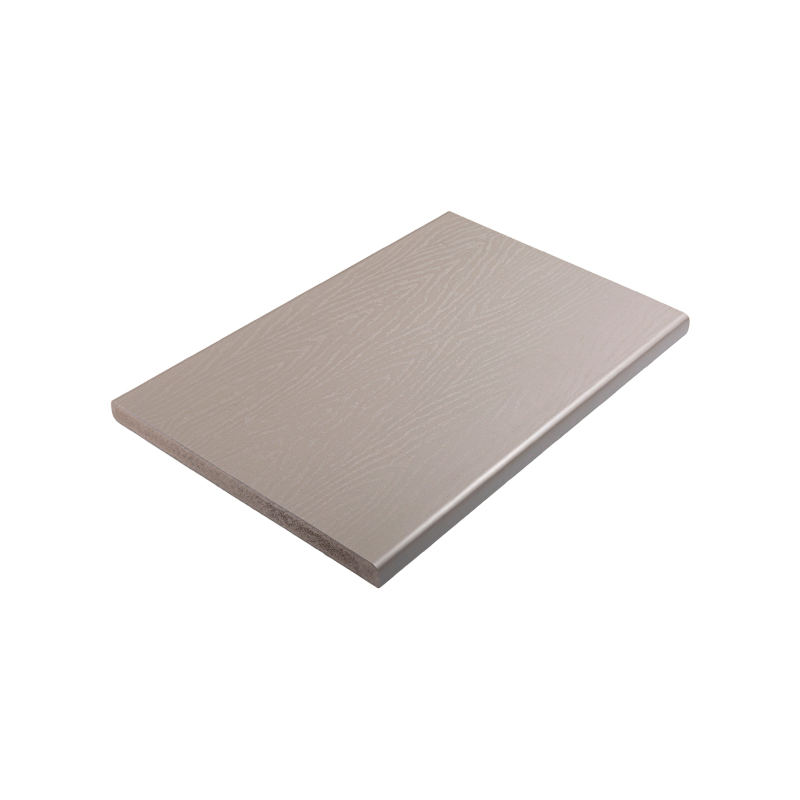
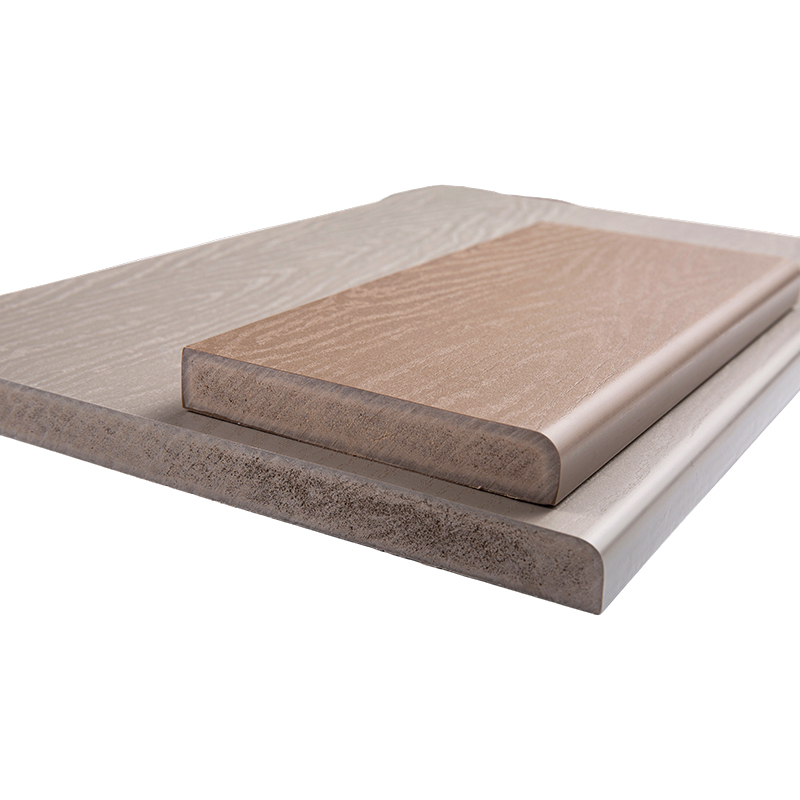 Custom 12-inch covered stair treads Manufacturers, CompanyAnhui Airuites New Material Co.,Ltd is China Custom 12-inch covered stair treads Manufacturers and OEM/ODM Company,12-inch stair treads a...View Product →
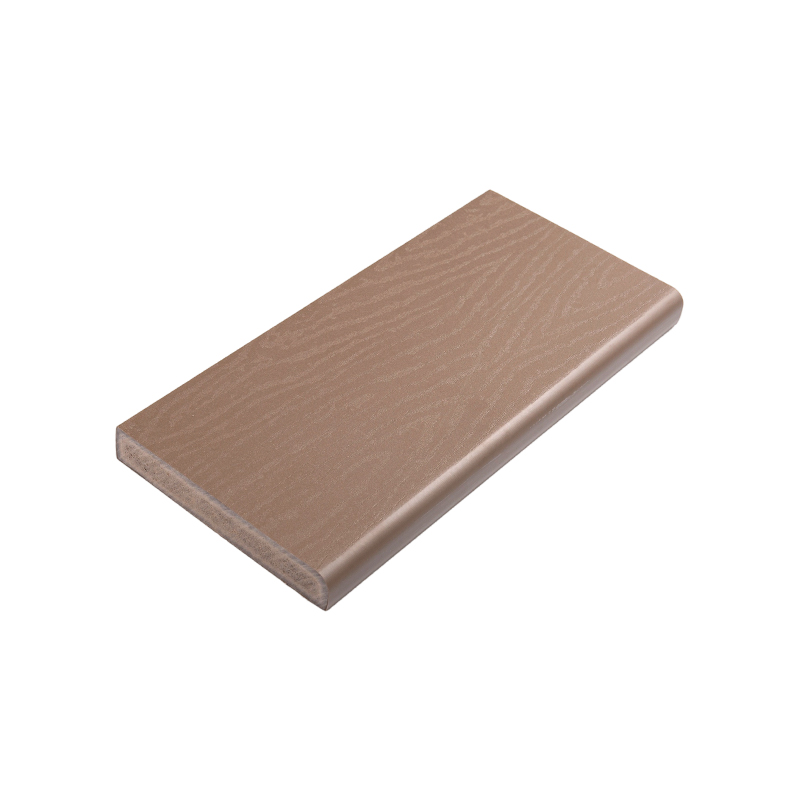 Custom 5.5-inch non-slip stair treads Manufacturers, CompanyAnhui Airuites New Material Co.,Ltd is China Custom 5.5-inch non-slip stair treads Manufacturers and OEM/ODM Company,The design features ...View Product →
PVC Stair Treads Explained: Durability, Non-Slip Safety, and Real Cost
Why PVC Stair Treads Outperform Wood
Replacing a worn wooden stair tread is often the moment homeowners realize how much maintenance a simple set of steps can demand. The wood has split, the paint is peeling, and after a rain the surface feels dangerously slick. If that sounds familiar, PVC stair treads are worth a serious look. Here is the straightforward conclusion: quality PVC stair treads outperform wood in weather resistance, slip resistance, and long-term cost for most outdoor and high-traffic stair applications.
Wood stairs have a classic look, but they require constant upkeep. PVC stair treads, by contrast, are engineered to handle moisture, sunlight, and heavy foot traffic without cracking, warping, or losing their grip. To see the difference clearly, compare the two materials side by side.
| Factor | Wood Stair Treads | PVC Stair Treads |
|---|---|---|
| Moisture resistance | Prone to swelling, rot, and splitting | Will not rot or delaminate; does not absorb water |
| Slip resistance | Can become slippery when wet unless textured or treated | Molded textures and additives provide consistent grip |
| Maintenance | Requires sanding, staining, painting, or sealing | Occasional soap-and-water cleaning |
| Weight | Heavy, which adds stability but also installation labor | Lighter material, easier to handle and cut |
| Lifespan | 5 to 15 years depending on exposure and maintenance | Decades with minimal maintenance under normal use |
| Initial cost | Lower material cost | Higher upfront material cost |
Two lines in that table matter most for an outdoor staircase. Moisture resistance determines how long the treads will survive, and slip resistance determines how safe they are when wet. A PVC tread never needs the protective coating that wood relies on, so it does not develop the same cracks, raised grain, or algae that eventually make wood stairs a hazard.
What to Look for When Buying PVC Stair Treads
Not all PVC stair treads are the same. Two treads may look identical but perform very differently because of their width, surface texture, and internal construction. Here are the three specifications to focus on.
Tread Width and Coverage
Standard PVC stair treads come in widths that match common stair board sizes. A 12-inch covered stair tread is designed to cap the full 12-inch depth of a typical residential stair, giving a clean, continuous look. A 5.5-inch non-slip stair tread is narrower and is often used on existing wood steps where you want to cover only the walking surface, leaving the riser exposed. For a full-depth replacement, a 12-inch covered stair tread matches the stringer width and eliminates the need to trim a narrower tread. For a retrofit over sound wood, the narrower style gives you a durable walking surface without changing the stair geometry.
Custom 12-inch covered stair treads Manufacturers, CompanyAnhui Airuites New Material Co.,Ltd is China Custom 12-inch covered stair treads Manufacturers and OEM/ODM Company,12-inch stair treads a...View Product →
Surface Texture and Slip Resistance
The surface pattern is what separates a safe PVC stair tread from a slippery plastic board. Look for raised ridges, diamonds, or a brushed texture that gives water and debris somewhere to go while keeping contact with your footwear. For steps exposed to rain, morning dew, or snow, a more aggressive pattern is the safer choice. If you are retrofitting an existing staircase, choose a 5.5-inch nonslip stair tread that adds grip without requiring you to remove the structural wood stringer. A smooth finish may look modern, but it is not appropriate for outdoor stairs.
Custom 5.5-inch non-slip stair treads Manufacturers, CompanyAnhui Airuites New Material Co.,Ltd is China Custom 5.5-inch non-slip stair treads Manufacturers and OEM/ODM Company,The design features ...View Product →
Construction and Material Quality
Not every floor board labeled PVC is a solid block of plastic. Many high-quality treads are coextruded, meaning a durable outer cap is fused to a foam or recycled core. The cap carries the color and texture and resists UV rays, while the core provides rigidity and reduces weight. Ask about the cap thickness and whether the tread has been tested for weather resistance or impact. A manufacturer that documents ASTM performance gives you a verifiable baseline rather than a vague marketing claim. Airuites, for example, runs an in-house lab equipped with universal testing machines and temperature chambers, so its treads are checked for flexural strength and color stability before they leave the factory. That level of testing matters when the tread will sit on an unshaded porch in a climate with freeze-thaw cycles.
Installation and Maintenance Considerations
Installation is where PVC treads earn part of their reputation. They are lighter than most hardwoods, which makes them easier to cut and handle. They cut cleanly with standard woodworking tools, although a carbide-tipped blade works best to avoid melting the plastic. The most common installation questions are about fasteners and expansion. PVC expands and contracts with temperature changes, so leave a small gap at the ends or between treads, and use screws designed for plastic to avoid cracking the material. Before you decide on fasteners, review the building basics for your situation, because the supporting structure must be sound. Our guide on key considerations when building deck stairs covers the framing, rise, and run details that affect tread fit.
Once installed, PVC stair treads require almost nothing in terms of ongoing maintenance. Use a soft brush and soapy water to remove dirt, pollen, or mildew. Do not use abrasive pads or solvent-based cleaners; they can dull the surface. Unlike wood, you do not need to sand, seal, or repaint. That is the low-maintenance promise that makes PVC a practical upgrade for a busy household.
Budget and Long-Term Value
The upfront cost of PVC stair treads is higher than that of a basic pine board, which often surprises first-time buyers. But the total cost of ownership includes the sandpaper, stain, paint, sealer, and replacement boards that a wood stair will consume over the years. For a staircase exposed to sun and rain, wood likely needs refinishing every one to two years, and individual boards may need to be replaced every five to ten years. PVC, on the other hand, usually needs only cleaning and an occasional check of the fasteners. When you divide the total cost over a twenty-year period, the PVC option is frequently the cheaper one. Property owners who have made the switch often point to this long-term math. If you want to see the real-world financial reasoning, read our analysis of whether PVC stair treads are worth the investment for your property.
Common Buying Mistakes to Avoid
Even with the right material, a few mistakes can shorten the life of your stair treads or make them unsafe. Here are the most common ones we see in the field.
- Choosing a smooth finish. It looks clean in the showroom, but it becomes slick when wet. Always choose a textured surface for stairs.
- Ignoring UV protection. Low-quality PVC can yellow or chalk in direct sunlight. Look for treads with a UV-stabilized cap layer.
- Overlooking expansion gaps. PVC moves with temperature swings; if you install pieces tightly against each other or the wall, they can buckle.
- Skipping the sample test. Ask for a sample or a specification sheet before a large order. The color, texture, and stiffness vary among suppliers.
- Using the wrong fasteners. Standard wood screws can strip the plastic or cause cracking. Use stainless-steel or coated screws designed for PVC trim and decking.
Conclusion
PVC stair treads are not a universal replacement for every wooden stair. If you are restoring a heritage interior and need the exact look of old oak, PVC may not suit that goal. But for outdoor steps, porch entries, high-traffic rental properties, and any stair where moisture and safety are concerns, PVC offers a durable and lower-maintenance alternative. Start with the right width, choose a textured surface, and install it over a sound base. The result is a stairway that looks good and stays safe for years without dominating your weekend maintenance list.
Need help selecting a tread profile or checking compatibility with your project? Contact our team for product specifications and samples.


An interior and exterior panel company dedicated to the environmental protection technology research of recyclable materials.
Address
- No. 18, Dexing Road, West District, Guangde Economic Development Zone, Xuancheng City, Anhui Province, China
Quick Menu
Get in Touch
Copyright ©Anhui Airuites New Material Co.,Ltd. All Rights Reserved. Privacy Custom Recyclable Indoor And Outdoor Panels Manufacturer
