
 English
 中文简体
中文简体 Español
Industry News
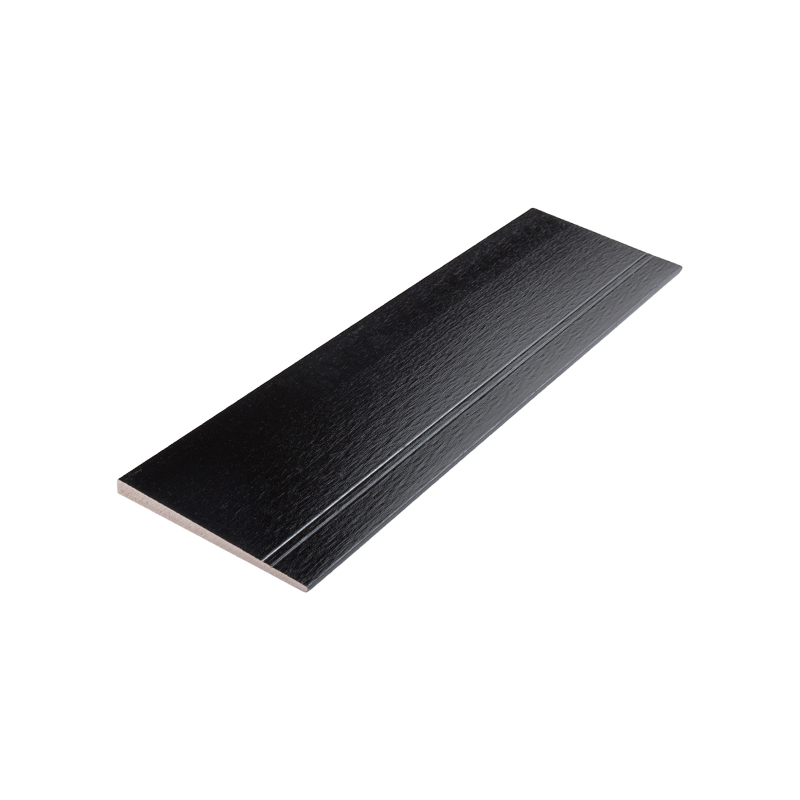
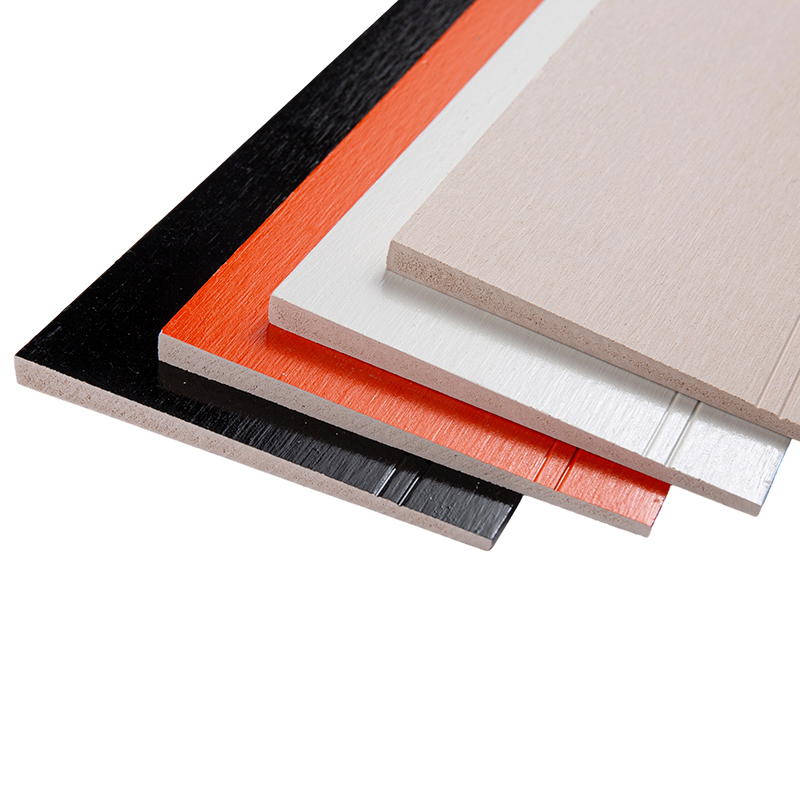 Custom Wood plastic composite wall panels Manufacturers, CompanyAnhui Airuites New Material Co.,Ltd is China Custom Wood plastic composite wall panels Manufacturers and OEM/ODM Company,Wall panels are ...View Product →
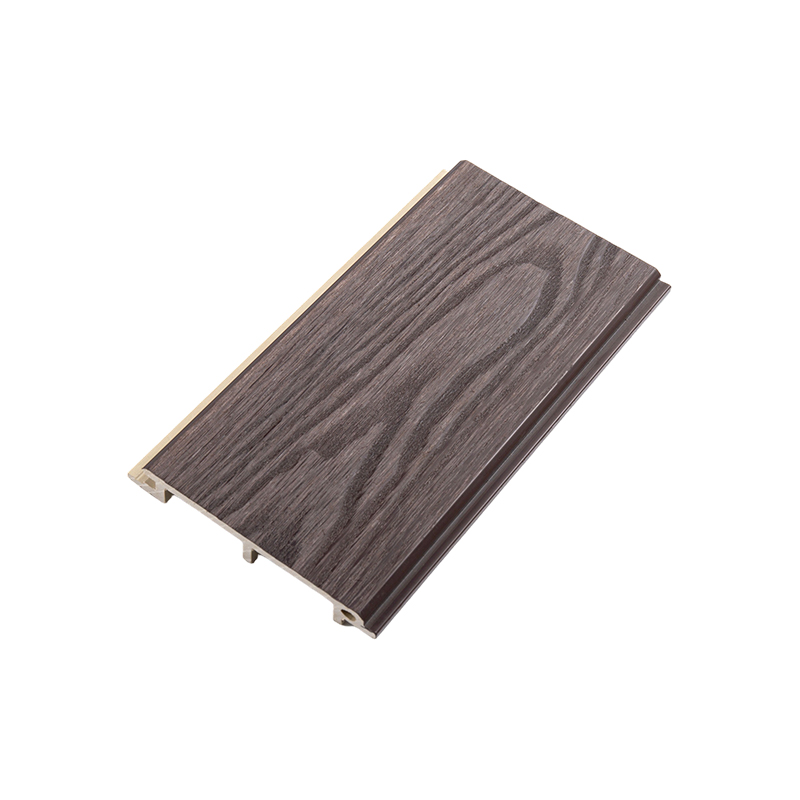
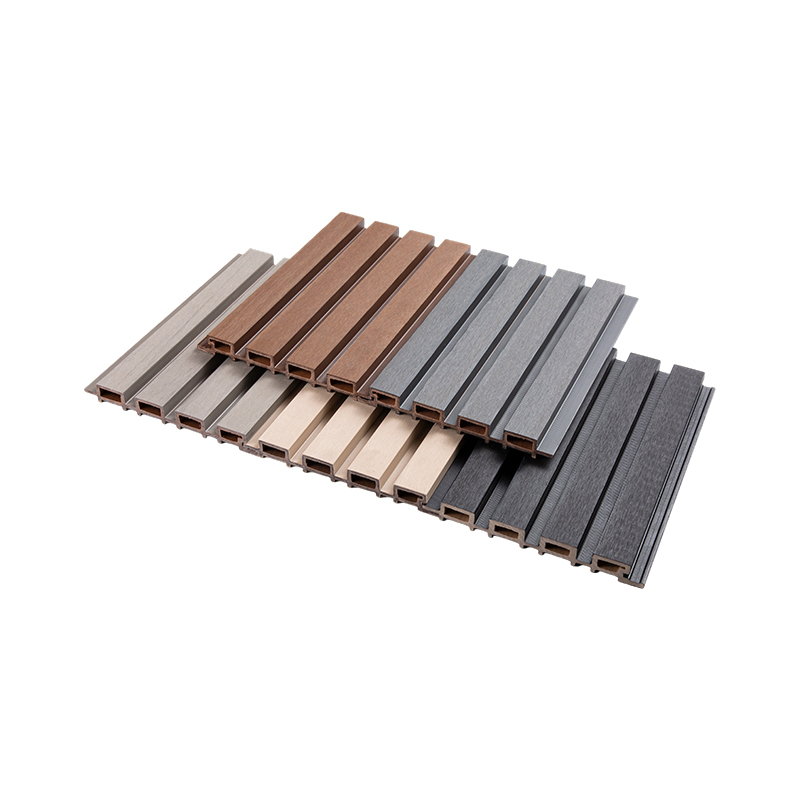 Custom ASA Fluted 3D Wood Grain Wall Panels Manufacturers, CompanyAnhui Airuites New Material Co.,Ltd is China Custom ASA Fluted 3D Wood Grain Wall Panels Manufacturers and OEM/ODM Company,ASA co-extrusi...View Product →
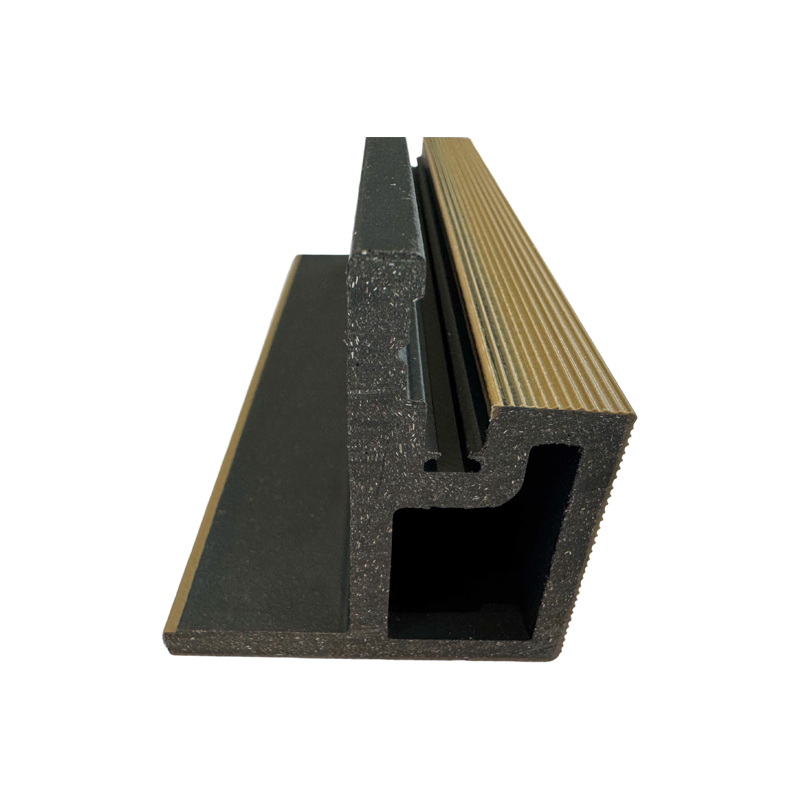
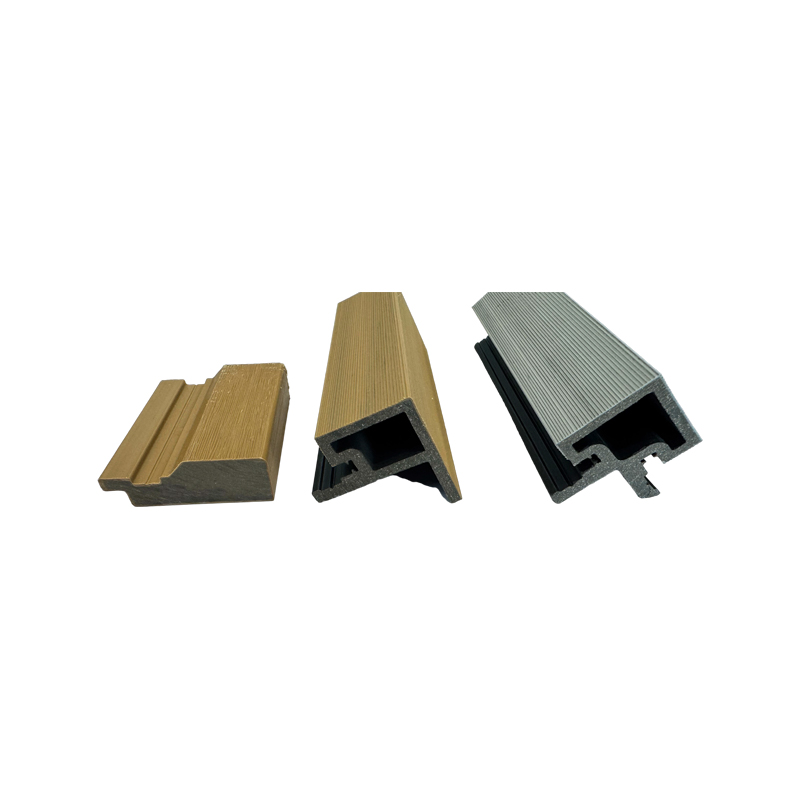 Custom Wall panel corner accessories Manufacturers, CompanyAnhui Airuites New Material Co.,Ltd is China Custom Wall panel corner accessories Manufacturers and OEM/ODM Company,Different wall panel ...View Product →
Wood Plastic Composite Wall Panels: Cost, Durability, and Installation Guide
A contractor who has repainted cedar cladding for the third time in a decade rarely needs another sales pitch; he needs a material that stops the cycle of sanding, staining, and patching. Wood plastic composite wall panels do exactly that. The conclusion up front: when selected and installed correctly, WPC wall panels deliver the warm look of wood with the moisture resistance of plastic and remove most of the maintenance burden that drives homeowners away from timber. That is why WPC has become a default choice for exterior feature walls, porch ceilings, and indoor accent spaces where humidity is part of daily life.
What Are Wood Plastic Composite Wall Panels?
Wood plastic composite wall panels are manufactured by blending wood fiber with thermoplastic resin, usually recycled PVC or polyethylene, and extruding the mixture into flat, stable boards. The wood component supplies a natural grain and texture; the plastic component prevents the swelling, warping, and rot that solid wood suffers in wet conditions.
The process usually continues beyond the core. Higher-grade panels receive a co-extruded cap layer: a thin, dense skin fused to the composite that adds UV stability, scratch resistance, and consistent color. This two-layer structure is the same principle used in premium composite decking, and it largely determines how many years a panel keeps its original appearance.
Airuites' wood plastic composite wall panels follow this capped construction and are available in flat and grooved profiles, so the same material family can handle exterior cladding and interior feature walls.
Custom Wood plastic composite wall panels Manufacturers, CompanyAnhui Airuites New Material Co.,Ltd is China Custom Wood plastic composite wall panels Manufacturers and OEM/ODM Company,Wall panels are ...View Product →Benefits That Matter on the Wall
Wood plastic composite wall panels earn their place in specific, measurable ways. The advantages below are what buyers should weigh against the higher initial price compared with commodity siding:
- Moisture resistance: the plastic content blocks water absorption, so panels do not rot, split, or delaminate the way solid wood does in rain, splash zones, or high-humidity rooms.
- Zero annual refinishing: no repainting or sealing schedule. A cap-layer panel holds its color for years, and cleaning usually means a damp cloth.
- Insect and fungal resistance: without exposed cellulose and sustained moisture, termites and mold have little to feed on.
- Dimensional stability: low moisture uptake means less seasonal expansion and contraction, keeping seams and fastener lines stable through winter and summer.
- Design flexibility: 3D wood grain, flute patterns, and smooth finishes let the panel read as timber without the natural inconsistencies of lumber.
- Lower long-term cost: the purchase price is higher than basic vinyl, but the total cost per year of service is usually lower once repainting and timber replacement are counted.
For projects that want the strongest timber replication, an ASA fluted 3D wood-grain wall panel adds deep grain relief that reads as a routed plank without the upkeep.
Custom ASA Fluted 3D Wood Grain Wall Panels Manufacturers, CompanyAnhui Airuites New Material Co.,Ltd is China Custom ASA Fluted 3D Wood Grain Wall Panels Manufacturers and OEM/ODM Company,ASA co-extrusi...View Product →WPC vs. Wood vs. PVC Wall Panels
Most cladding decisions come down to three material families: composite, natural timber, and pure PVC. The table below summarizes the trade-offs that matter during a typical renovation.
| Attribute | WPC wall panels | Natural wood cladding | PVC wall panels |
|---|---|---|---|
| Maintenance | Wash occasionally; no painting | Repaint or seal every 1 to 3 years | Wash occasionally |
| Moisture behavior | Very low absorption; cap protects the core | Swells, warps, and rots when wet | Essentially waterproof |
| Appearance | Natural grain with 3D profile options | Authentic grain, but knots and color vary | Flat or minimal texture; less wood-like |
| Impact resistance | Good, with a rigid composite core | Good, but splits can develop | Good, though thinner boards dent |
| UV stability | High with a cap layer | Fades and silvers naturally | Can chalk or fade if uncoated |
| Relative installed cost | Mid to high | Mid at first, high over time | Mid |
| Typical service life | 20 to 30+ years with caps | 10 to 20 years with refinishing | 20 to 30+ years |
The pattern is consistent: natural wood wins on initial price and authentic grain, but gives that advantage back in labor hours. PVC resists moisture completely but tends to look plastic. WPC sits between the two, and for most exterior design details that is exactly the right balance. The same capped-composite logic explains how composite surfaces perform against wood over many years: the cap, not just the core, is what survives weather.
What to Check Before Buying
WPC wall panel pricing varies widely, and the differences follow traceable factors rather than vague branding.
Price Drivers: Why Panels Differ in Cost
- Core density: heavier, more rigid cores resist denting and hold fasteners better, but cost more to produce.
- Cap layer: a true co-extruded cap costs more than a printed film or a bare composite surface, yet it is the main protection against fading and staining.
- Surface treatment: embossed or brushed 3D grain requires additional tooling and finishing steps.
- Quality system: factories that document production and test data, such as ISO 9001 systems, build more consistent boards.
Quality Red Flags and Certifications
Buyers should treat two signals with caution: extremely low price per panel and vague environmental claims. A very low price usually means a thin cap or none at all, which shows up as chalky fading within a year or two. Certification matters too. ISO 9001 indicates that process quality is controlled, while ASTM testing confirms that physical properties were measured against recognized standards, a point that matters for export projects. Ask the supplier for density, water absorption, and color stability data before ordering.
It is also worth asking how the panels behave in winter. Even capped composites expand and contract slightly with temperature, so the installation recommendations, not just the product price, should be part of the decision. Order a sample and expose it to rain, sunlight, and light abrasion before committing to a full order.
Installation Essentials
WPC wall panels are not difficult to install, but they follow different rules than wood, and those rules matter more than the tools you use.
Substrate, Fasteners, and Expansion Gaps
Temperature changes cause movement even in capped composites, so correct spacing is the difference between a clean wall and buckling panels. In practice, follow these rules:
- Leave expansion gaps at panel ends and corners as the manufacturer specifies.
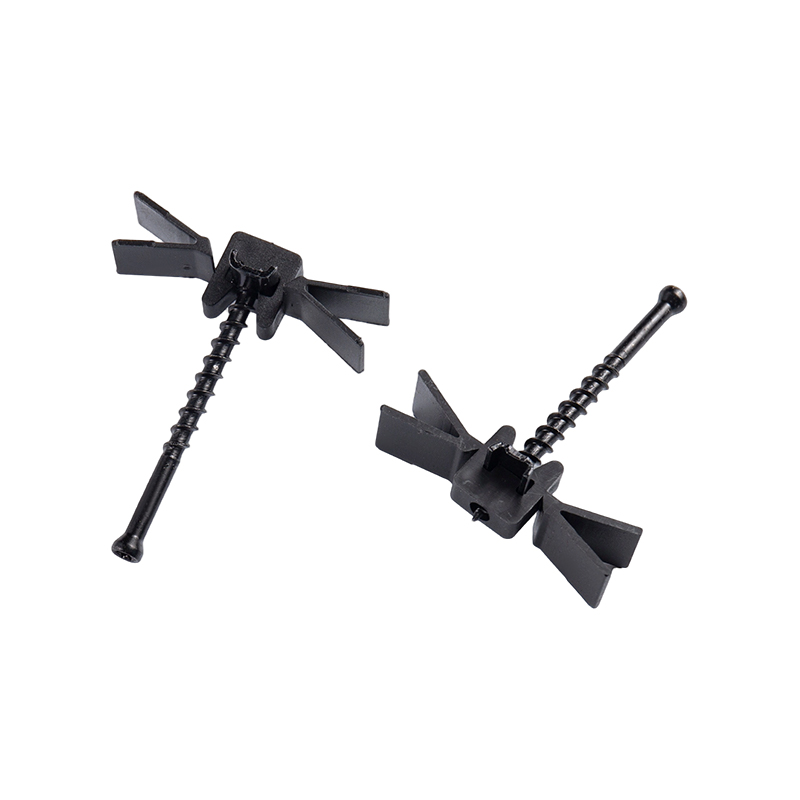
- Use corrosion-resistant fasteners; stainless steel or coated screws prevent dark streaking later.
- Install a ventilated cavity or furring strips on exterior walls so the back of each panel can breathe.
- Pre-drill before fastening near panel edges unless the manufacturer explicitly allows direct nailing.
Corners, Trim, and Indoor vs. Outdoor Rules
Corners and edges are where most wall cladding failures begin. A clean inside corner needs a matching trim profile rather than a butt joint, and outside corners should belong to the same product family so proportions stay consistent. Wall panel corner accessories close the gap between panels and door jambs or window frames, and they protect exposed cut edges from moisture.
Custom Wall panel corner accessories Manufacturers, CompanyAnhui Airuites New Material Co.,Ltd is China Custom Wall panel corner accessories Manufacturers and OEM/ODM Company,Different wall panel ...View Product →
Indoor installations are more forgiving: paneling in a laundry room or half-bath can be fixed directly to studs with shorter fastener spacing. Outdoor installations demand the full treatment: a ventilated cavity, proper fasteners, trim at every opening, and a slight outward slope on horizontal top edges so water never sits on the cut end.
Is a WPC Wall Panel Right for Your Project?
If the project lives somewhere wet, hot, or insect-rich, or if nobody wants to repaint a feature wall every other year, wood plastic composite wall panels are a rational choice. They cost more than basic siding at the checkout counter and less than timber over the life of the building. They perform best when appearance, moisture, and maintenance are balanced, and they should be specified together with matching trim and the manufacturer's installation guidelines from the start.
Airuites manufactures the panels and the accessories that finish the installation, and exports to North America, Australia, and Japan, where building projects expect documented performance. To compare profiles and finishes, explore the full wall panel and decking catalog; when the selection narrows to colors and quantities, contact our team for current lead times and samples.

An interior and exterior panel company dedicated to the environmental protection technology research of recyclable materials.
Address
- No. 18, Dexing Road, West District, Guangde Economic Development Zone, Xuancheng City, Anhui Province, China
Quick Menu
Get in Touch
Copyright ©Anhui Airuites New Material Co.,Ltd. All Rights Reserved. Privacy Custom Recyclable Indoor And Outdoor Panels Manufacturer
