
 English
 中文简体
中文简体 Español
Industry News
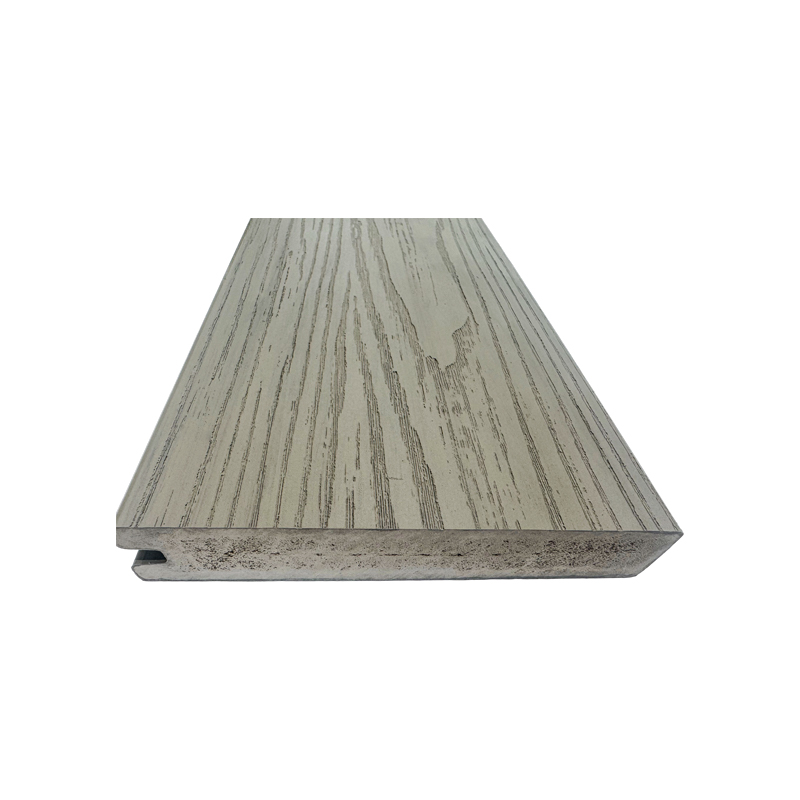
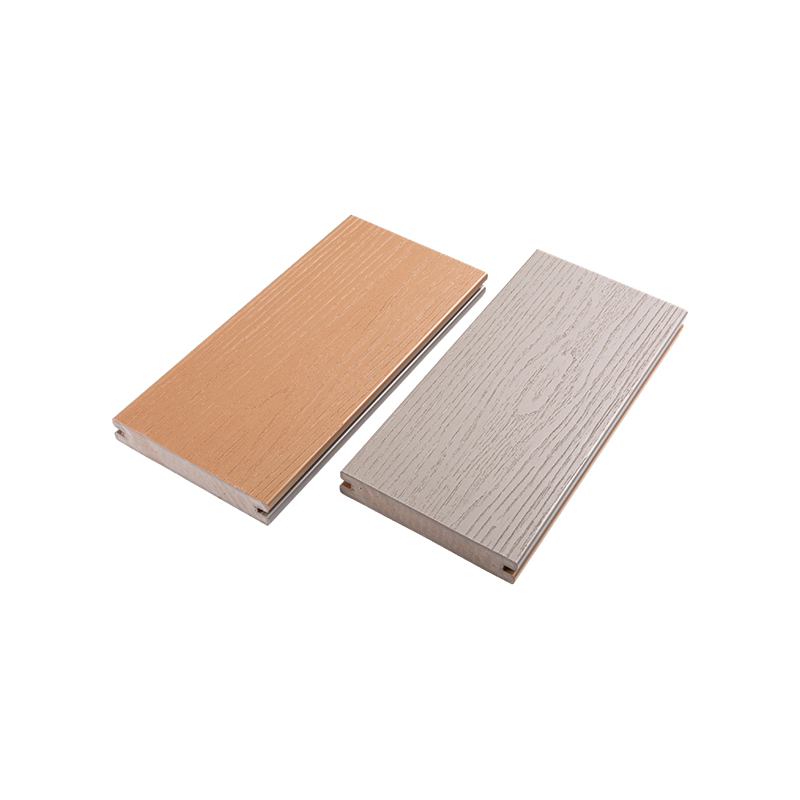
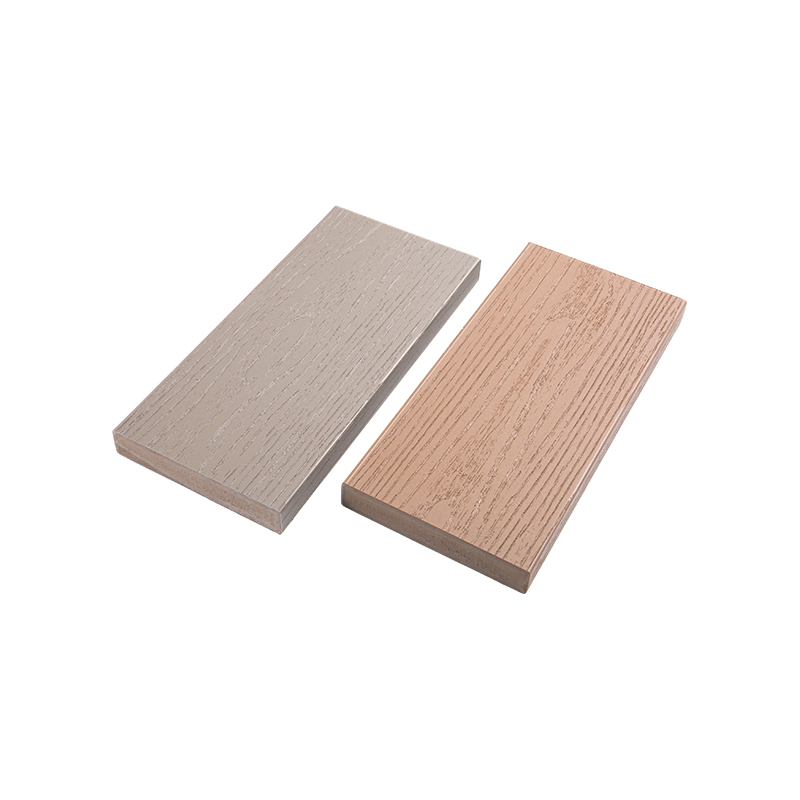
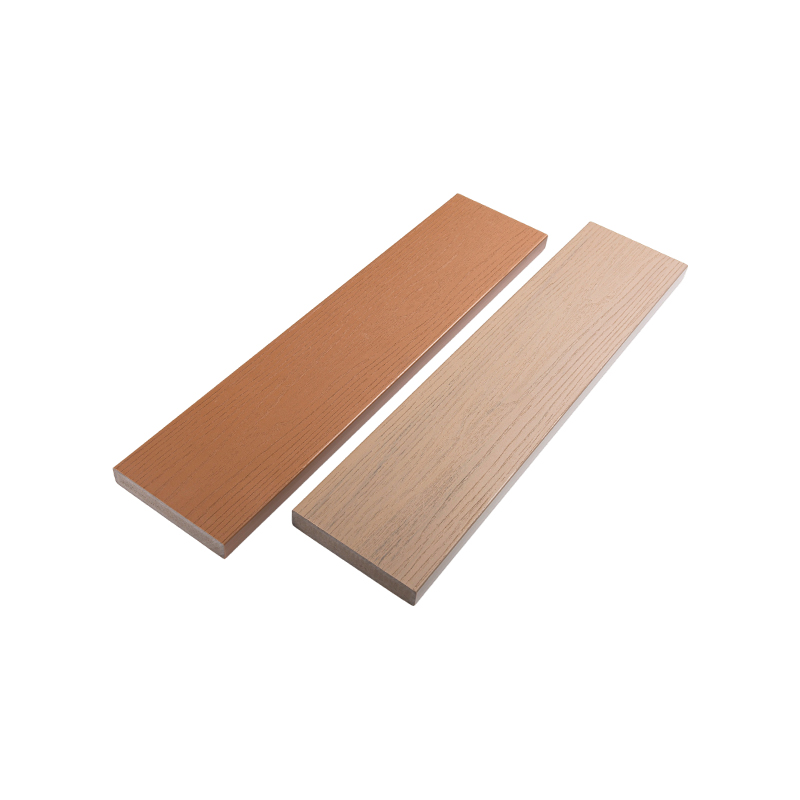
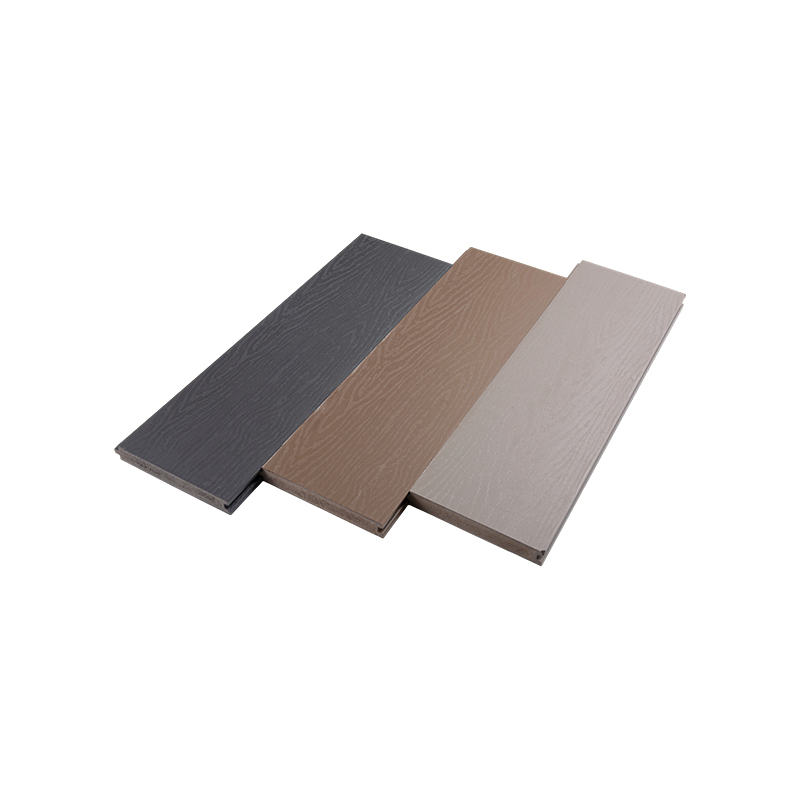 Double Armor Full-Solid PVC Porch FloorA dense, solid-section PVC board designed for porch floors, offering improved drainage, stain and termite resistance, and stiffness over widely spaced framing with heavy furniture.View Product →
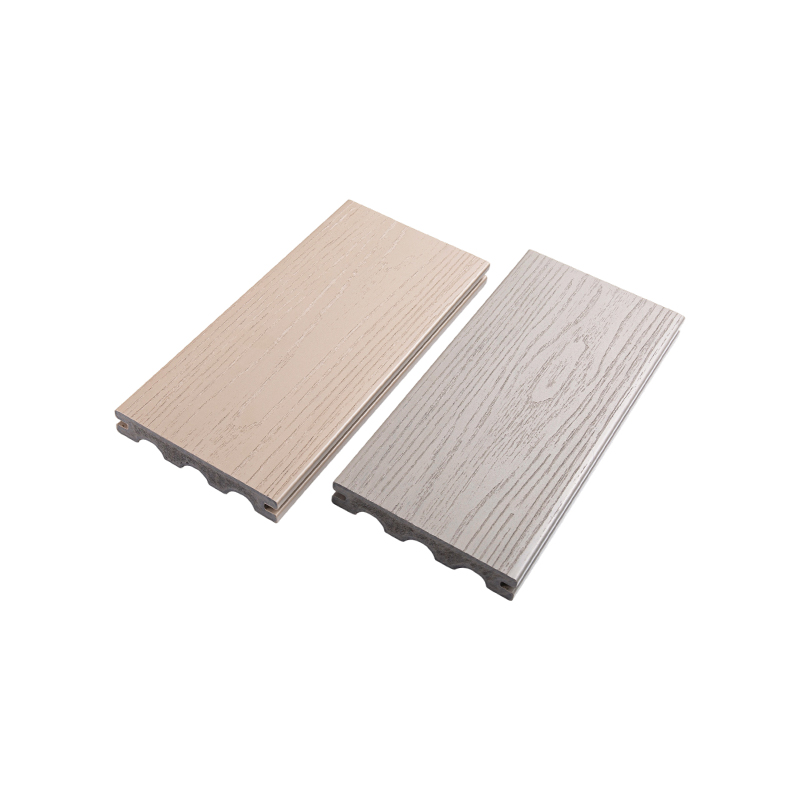
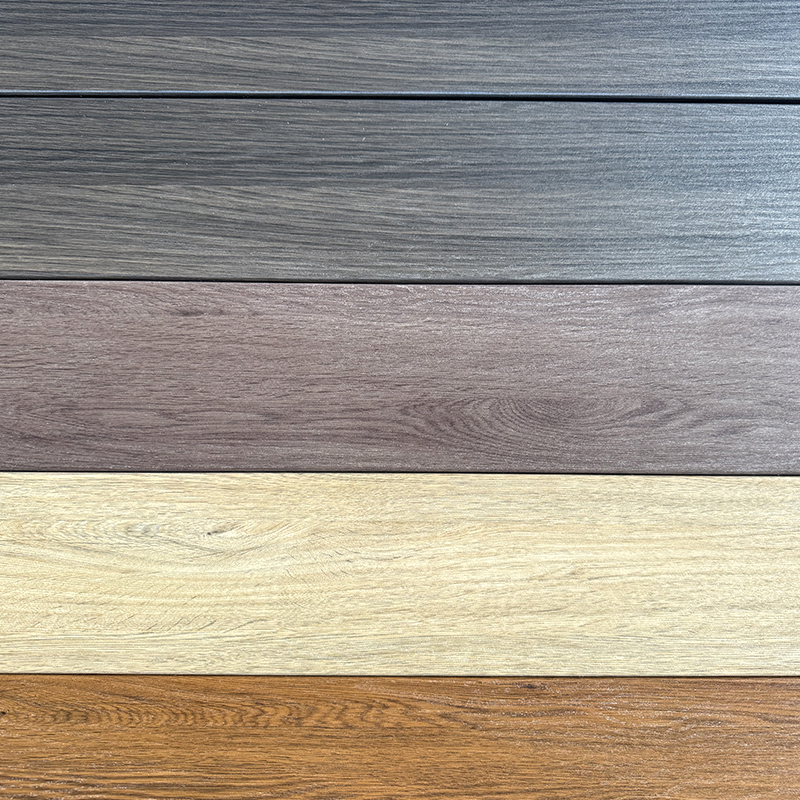 Surpasser PVC Decking with Armorskin Capped SurfaceA capped PVC decking line whose protective skin handles UV and abrasion, delivering a realistic wood-grain look with resistance to moisture, stains, scratches, and cracking.View Product →
PVC Outdoor Flooring Explained: Durability, Costs, and How to Choose Well
Peeling stain, cupped boards, and a deck that turns slick every time it rains usually trace back to one thing: water. PVC outdoor flooring is engineered to take water out of that equation. Because polyvinyl chloride boards carry no wood fiber in the core, they do not rot, splinter, swell, or feed mold the way timber and wood-plastic composites can. If your project involves a covered porch, a pool deck, a coastal balcony, or any surface you refuse to sand and reseal every couple of summers, PVC earns the first look. If lowest upfront cost matters more than lifetime upkeep, pressure-treated wood still has a place. This guide sets out where each material fits, which specifications actually separate good boards from bad ones, and the installation details that decide whether an outdoor floor lasts fifteen years or five.
What PVC Outdoor Flooring Actually Is
PVC outdoor flooring is a board extruded from polyvinyl chloride resin blended with stabilizers, impact modifiers, and UV packages. Two structural types dominate the market. Solid boards, typically 20 to 30 mm thick, carry heavy furniture loads and hold fasteners securely, which makes them the usual choice for ground-level decks and porch floors. Foamed-core boards weigh less and feel warmer underfoot, which suits balconies and retrofit projects where structural load is limited.
The second difference is the surface. Better boards are co-extruded, meaning a thin weather cap of ASA (acrylonitrile styrene acrylate) or acrylic is fused over the core during production. That cap, usually well under 1 mm, is what resists UV fading, surface stains, and the chalky gray look that uncapped plastics develop after a few summers. When comparing products, remember the rule of thumb: the core decides strength, and the cap decides how the floor looks in year ten. Both deserve equal attention, because a cheap core under a premium cap will still sag between joists.
How PVC Compares With Wood and Composite
Wood, wood-plastic composite, and capped PVC occupy clear positions on price and upkeep. The practical differences that show up within the first five years of ownership look like this:
| Property | Pressure-treated wood | WPC composite | Capped PVC |
|---|---|---|---|
| Water absorption | High; swells, rots, and splinters | Moderate; wood flour holds moisture | Near zero; no fiber to feed |
| Routine upkeep | Sand and reseal every 1 to 2 years | Wash twice a year; stains possible | Wash twice a year |
| Weight | Heavy | Heaviest | Light to moderate |
| Surface in full sun | Warm | Can run hot, worst in dark colors | Runs hot in dark colors; lighter caps stay cooler |
| Typical service life | 10 to 15 years with care | 20 to 25 years | 25 years or more |
| Best fit | Budget builds, paintable surfaces | Wood-look decks on solid framing | Wet, coastal, low-maintenance projects |
The deciding question is not which material is objectively best but which maintenance schedule you will actually follow. If sealing a deck every second summer is not going to happen, wood's lower sticker price becomes a false economy. For a closer look at weathering behavior, our comparison of ASA outdoor PVC decking and wood covers fade, moisture uptake, and structural drift over seasons of exposure.
Where PVC Outdoor Flooring Performs Best
Material choice follows the site. PVC outdoor flooring justifies its premium fastest in these conditions:
- Covered porches and verandas: trapped humidity and poor airflow rot timber from below, while a full-solid porch board stays dimensionally stable under furniture and foot traffic.
- Pool and spa surrounds: constant splash-out and chemical mist strip finishes from wood, and textured PVC keeps wet-barefoot grip.
- Coastal and humid regions: salt air and termites cut wood life short, and PVC offers insects neither food nor foothold.
- Cold-climate decks: freeze-thaw cycles exploit every drop of absorbed water, and low-temperature formulations keep boards from turning brittle.
- Balconies and rooftop retrofits: lighter cellular profiles reduce dead load on the structure and simplify handling upstairs.
Double Armor Full-Solid PVC Porch FloorA dense, solid-section PVC board designed for porch floors, offering improved drainage, stain and termite resistance, and stiffness over widely spaced framing with heavy furniture.View Product →
For porch floors specifically, boards such as our Double Armor full-solid porch floor were developed for exactly this scenario: a dense, solid section that resists deflection where the frame is widely spaced and the furniture is heavy.
Specifications Worth Checking Before You Buy
Two boards can look identical in product photos and behave completely differently on a joist. Before comparing quotes, put these line items in writing:
| Specification | What to require | Why it matters |
|---|---|---|
| Cap layer | Co-extruded ASA or acrylic cap with stated thickness | The cap controls fading and staining; uncapped PVC grays quickly |
| Board structure | Solid or foamed core, 20 to 30 mm thick for decks | Thin boards flex and sound hollow underfoot |
| Joist span rating | Maximum spacing, typically 400 to 500 mm (16 to 20 in.) | Exceeding the span causes bounce and fastener creep |
| Slip resistance | Embossed or textured surface, wet-grip data if available | Smooth caps get slick around pools |
| Expansion behavior | Stated coefficient and required end and side gaps | PVC moves with temperature; tight joints buckle |
| Fastening system | Maker-specified clips and screws | Mismatched fasteners void warranties and cause squeaks |
| Test evidence | ASTM reports and ISO 9001-certified production | Confirms the claims were measured, not just printed |
Factory capability is where these numbers get proven. A manufacturer with an in-house laboratory, including universal testing machines for flexural strength, high and low temperature chambers for thermal cycling, and color instruments for batch consistency, can hand you data instead of adjectives. Ask for test reports early; a supplier that measures is a supplier you can hold to specification later.
Surpasser PVC Decking with Armorskin Capped SurfaceA capped PVC decking line whose protective skin handles UV and abrasion, delivering a realistic wood-grain look with resistance to moisture, stains, scratches, and cracking.View Product →
Surface durability is the entire point of capped product lines such as our Armorskin series decking, where a protective skin takes the UV and abrasion load that would otherwise age the core.
Installation Details That Decide Longevity
PVC forgives installation mistakes less than wood does, because it expands and contracts with temperature instead of drying out. Five rules prevent the majority of field failures:
- Respect the stated joist span, typically 400 to 500 mm for residential decks, and add blocking under butt joints and diagonal layouts.
- Leave the specified expansion gaps, usually 4 to 6 mm at board ends; a tight end joint will lift during the first hot week.
- Ventilate underneath; open air below the boards keeps the frame dry and limits temperature swings.
- Use the manufacturer's clips and screws; the right fastener lets boards slide as they move instead of fighting them.
- Store boards flat in the shade, and install at a moderate temperature rather than on the hottest afternoon of the week.
For small spaces such as balcony floors, entry landings, or a rental-unit patio, owner-installable formats like our 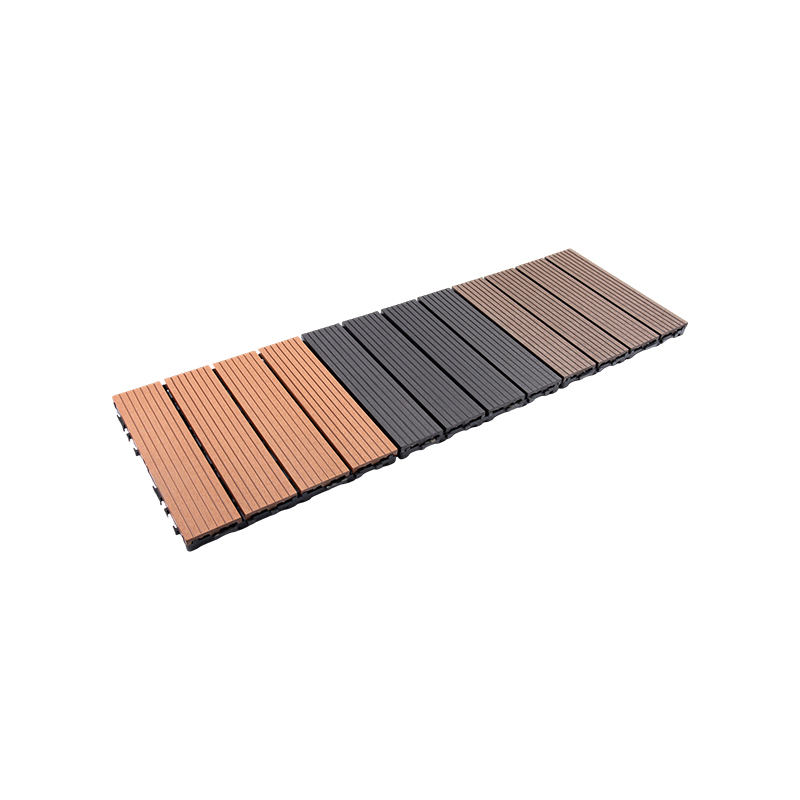 DIY Series Outdoor FlooringOwner-installable PVC flooring for balconies, terraces, and walkways, with a tool-free joint design, slip resistance, and waterproof construction that removes the need for framing.View Product → DIY series outdoor flooring remove the framing step entirely and turn the job into an afternoon project.
Maintenance: What Low Maintenance Actually Means
Low maintenance is not zero maintenance. A PVC floor needs two washes a year with mild soap and water, pads under heavy furniture legs, and breathable outdoor mats, because rubber-backed mats can trap moisture against the cap and leave marks. Pressure washing is acceptable on most capped boards, but use a fan tip, moderate pressure, and spray along the board direction rather than against the embossing.
None of this involves stain, sealant, or sanding, which is where the lifetime economics tilt toward PVC. A material that never absorbs water is also a material that never enters the refinishing cycle wood demands, and over ten years the skipped weekends and sealant buckets add up to real money.
Specifying PVC outdoor flooring ultimately comes down to trusting the numbers behind the board. A dependable manufacturer should offer test reports rather than adjectives, a complete accessory range of clips, screws, end plugs, and corner trim so the floor and its fastening system are engineered together, and written installation and warranty documentation. We extrude outdoor building materials with in-house lab testing, ASTM-verified product standards, and exports to North America, Australia, and Japan, and we are glad to review your span details, framing drawings, and board selection. If you are weighing PVC against wood or composite for a specific site, contact our team with the site conditions and we will tell you plainly where PVC fits and where it does not.
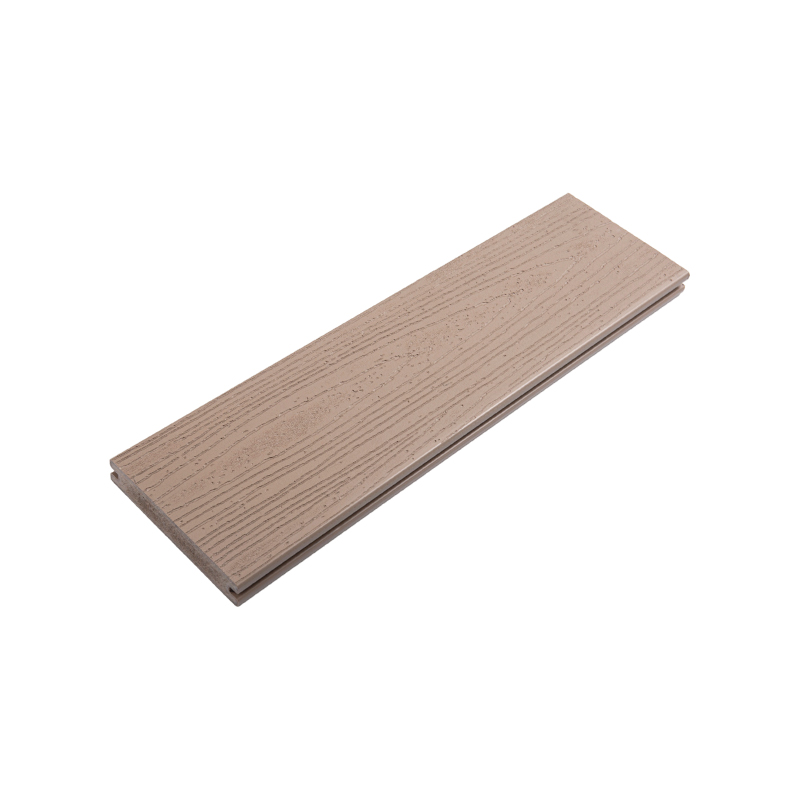

An interior and exterior panel company dedicated to the environmental protection technology research of recyclable materials.
Address
- No. 18, Dexing Road, West District, Guangde Economic Development Zone, Xuancheng City, Anhui Province, China
Quick Menu
Get in Touch
Copyright ©Anhui Airuites New Material Co.,Ltd. All Rights Reserved. Privacy Custom Recyclable Indoor And Outdoor Panels Manufacturer
