
 English
 中文简体
中文简体 Español
Industry News
Main Application ScenariosCoreCommercial building curtain wall, public facility exteriorUltra-long service life, wind resistance and impact resistance</trPVC HardTemporary outdoor facilities,Lightweight and easy to install, waterproof and</table
What are the best uses for outdoor panels?
Main Material Types of Outdoor Panels
Outdoor panels are classified according to core raw materials and production processes, and the mainstream types in the market include four categories, each with unique performance advantages and applicable scenarios. The material composition is the core factor that determines the weather resistance, durability and use effect of outdoor panels, and users can select targeted products according to actual outdoor environment and engineering needs.
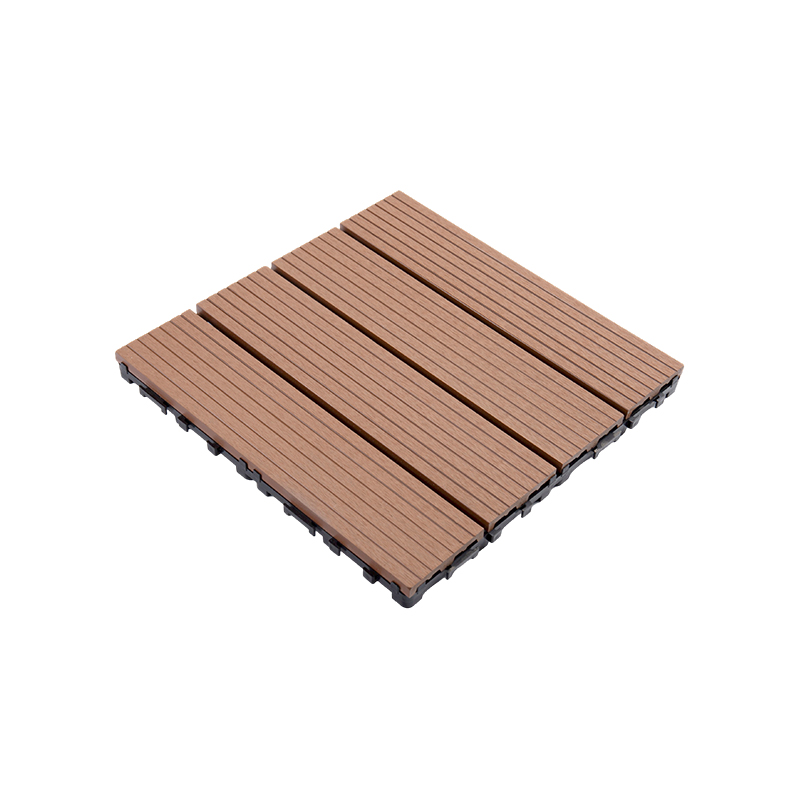
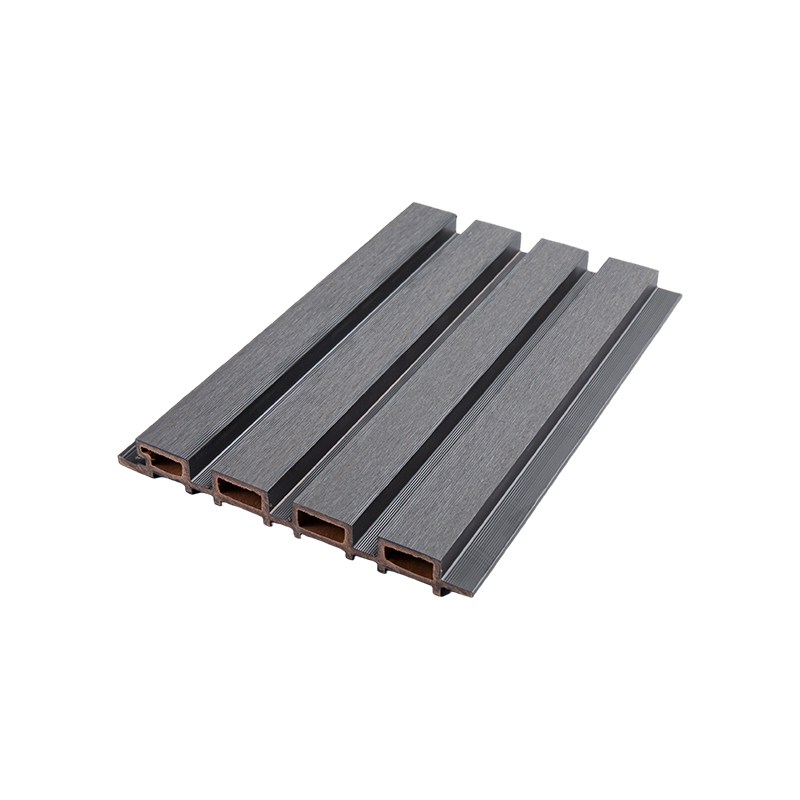
Wood-Plastic Composite Outdoor Panels
Wood-plastic composite outdoor panels are made by mixing plant fiber such as wood powder and bamboo powder with polymer resin materials, and processed through high-temperature extrusion and molding. This kind of panel perfectly combines the texture of natural wood and the stability ofwith a water absorption rate lower than 0.5% and excellent anti-mold and. Compared with pure wood panels, it avoids the problems of wood cracking, warping and rotting in outdoor humid environments, and retains the natural and warm decorative effect of wood.
This type of panel is lightweight, easy to cut and install, and has low later maintenance cost. It is very suitable for outdoor terrace paving, garden guardrails, landscape walls and other scenarios. In addition, the production process of wood-plastic panels can reuse waste plant fibers and plastics, which is highly environmentally friendly and in line with the current green building standards.
Fiber Cement Outdoor Panels
Fiber cement outdoor panels take cement, cellulose fiber and mineral filler as the main raw materials, and are made through pressing, curing and other processes. The overall structure of the panel is stable, with outstanding fire resistance, frost resistance and impactThe fire rating of qualified fiber cement outdoor panels can reach Class A non-combustible level, which can effectively block the spread of open fire and greatly improve the safety of outdoor
This panel has strong weather resistance, can withstand long-term ultraviolet irradiation and extreme temperature changes, and will not fade or deform for a long time. Its surface can be painted, coated and carved, with strong decorative plasticity. It is mostly used for building exterior wall cladding, outdoor partition walls, exterior wall insulation and decorative
Metal Composite Outdoor Pan
Metal composite outdoor panels are composed of metal outer layer and high-strength core material, with the characteristics of high hardness, strong compression resistance and ultra-long service life. The surface of the panel is treated with special anti-oxidation and anti-corrosion coating, which can resist rainwater, acid rain and air oxidation erosionThe service life of high-quality metal outdoor panels in open-air environments can exceed, far longer than other conventional
The panel has smooth surface, diverse colors and strong three-dimensional sense, and has excellent wind resistance and load-bearing capacity. It is widely used in outdoor curtain walls of commercial buildings, public facility exterior decoration, outdoor billboard base panels and other scenes with high requirements for structural stability and appearance.
PVC Outdoor Hard Panels
PVC outdoor hard panels are made of modified PVC resin through special process molding, with good toughness, waterproof and moisture-proof performance. The material has stable chemical properties, does not react with conventional outdoor corrosive substances, and is not easy to age and damage. This kind of panel is low in cost, lightweight and convenient for rapid construction, and is suitable for temporary outdoor facilities, simple landscape decoration and outdoor wall protection projects.
Core Performance Advantages of Qualified Outdoor Pan
The reason why outdoor panels can replace traditional wood, cement and ordinary plastic plates in outdoor engineering is that they have comprehensive performance advantages adapted to complex outdoor environments. All qualified outdoor panels need to pass professional environmental resistance tests, and their core advantages are reflected in the following
- Green and: Modern outdoor panels are made of environmentally friendly formulas, without harmful substances such as formaldehyde and benzene, and will not release toxic gases in high-temperature outdoor environments. Most products can be recycled and reused, meeting the requirements of ecological environmental protection engineering </section
- Excellent weather: Qualified outdoor panels can adapt to the temperature range of minus 30 degrees Celsius to 70 degrees Celsius, and will not produce thermal expansion and contraction deformation, brittle cracking and other problems in seasonal temperature changes. After long-term ultraviolet irradiation, the color retention rate of the panel is more than 90%, avoiding obvious fading and
In addition to the above conventional scenarios, outdoor panels are also widely used in outdoor stage backgrounds, parking lot isolation facilities, community landscape decoration, municipal road auxiliary facilities and other fields. Due to their customizable size, color and shape, they can meet the personalized decoration and structural use needs of different engineering projects.
Professional Installation and Maintenance Guidelines for Outdoor Panels
The service life and use effect of outdoor panels are not only determined by product quality, but also closely related to installation technology and daily maintenance. Standardized installation and scientific maintenance can effectively extend the service life of outdoor panels by 30% to 50%, and avoid common problems such as panel deformation, falling off and fading.
Key Points of Standard Installation
- Base surface treatment: Before installation, ensure that the outdoor installation base is flat, dry and solid, remove floating dust, impurities and protruding parts on the base surface, and avoid uneven stress of the panel caused by uneven
- Reserve expansion gaps: Considering the thermal expansion and contraction of outdoor panels under temperature changes, a gap of 2 to 3 mm needs to be reserved between each panel during installation to
- Fixed installation standard: Use special matching fixing parts for installation, avoid sharp hardware piercing the panel surface, and ensure uniform stress of fixing points to improve the overall stability of the panel
- Sealing and waterproof treatment: For outdoor panels used in wall and closed structures, professional waterproof sealant shall be used to seal the splicing gaps to prevent rainwater from penetrating into the gap and causing internal damp damage.</ol
Daily Maintenance</h3
Outdoor panels have low maintenance difficulty, and daily maintenance only needs to complete simple cleaning and inspection work. In daily use, avoid sharp objects scratching the panel surface and heavy objects hitting the panel. For surface dust and floating dirt, clean it with clean water and soft tools regularly. For stubborn stains, use neutral detergent for cleaning, and avoid strong acid and alkali detergents to corrode the panel surface
It is necessary to conduct a comprehensive inspection of outdoor panels every year, focusing on checking whether the fixing parts are loose, whether the panel splicing gaps are cracked, and whether the surface coating is peeling. Minor problems can be repaired in time, which can avoid the expansion of damage and ensure the long-term stable use of outdoor panels</section
Finally, balance the budget and service life. Although high-performance metal outdoor panels have a higher initial installation cost, their ultra-long service life and zero later maintenance cost make the comprehensive use cost lower. For temporary facilities with short service cycle, cost-effective PVC outdoor panels can be selected to avoid resource waste.

An interior and exterior panel company dedicated to the environmental protection technology research of recyclable materials.
Address
- No. 18, Dexing Road, West District, Guangde Economic Development Zone, Xuancheng City, Anhui Province, China
Quick Menu
Get in Touch
Copyright ©Anhui Airuites New Material Co.,Ltd. All Rights Reserved. Privacy Custom Recyclable Indoor And Outdoor Panels Manufacturer
