
 English
 中文简体
中文简体 Español
Industry News
How Does PVC Decking Compare to Wood and Composite?
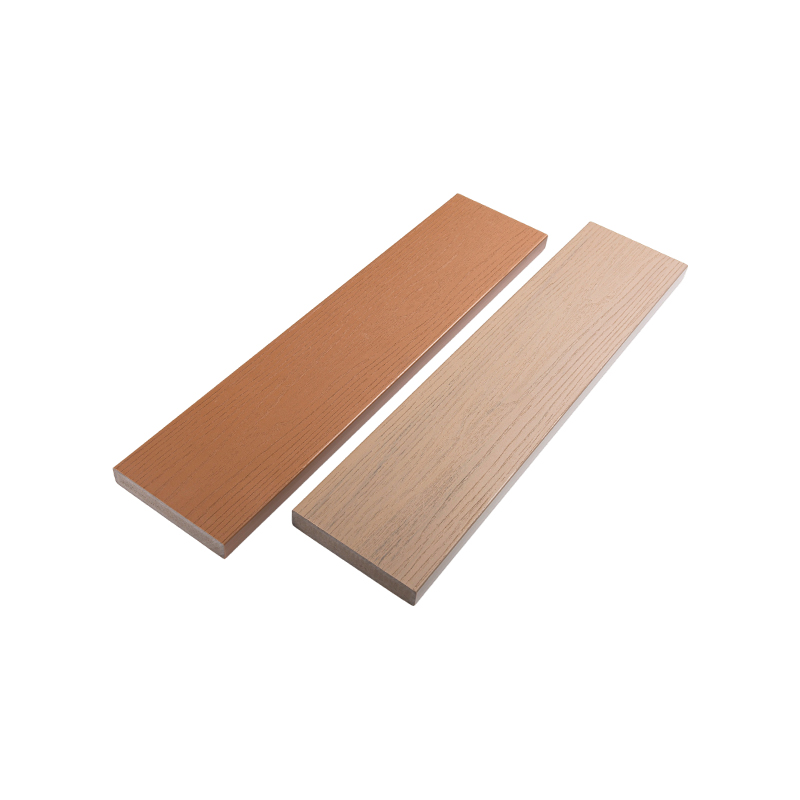
When evaluating materials for outdoor flooring, PVC decking stands out as the most durable and low-maintenance option available. Unlike traditional wood, it will never rot, warp, or splinter, and unlike some composite alternatives, it is entirely impervious to moisture and insect damage. For homeowners seeking a long-lasting, hassle-free outdoor living space that retains its aesthetic appeal for decades, PVC decking provides an unmatched combination of resilience, safety, and overall value.
Understanding the Core Material
Polyvinyl chloride, commonly referred to as PVC, is a synthetic plastic polymer renowned for its rigidity and exceptional resistance to environmental stressors. In the context of outdoor flooring, PVC decking is engineered to withstand the harsh realities of nature. The manufacturing process involves combining PVC resin with specialized additives that enhance UV resistance, impact strength, and color retention. Because the material is entirely synthetic and contains no wood fibers, it behaves fundamentally differently from organic building materials. It does not absorb moisture, which is the primary catalyst for rot, mold, and structural degradation in traditional decking. This inherent characteristic makes it particularly suitable for humid climates, poolside installations, and regions that experience heavy rainfall or significant snowfall.
Key Advantages Over Traditional Materials
The shift from wood and early-generation composites to PVC is driven by a multitude of practical benefits that directly impact the homeowner's experience. By eliminating the organic components that lead to decay, PVC decking solves many of the persistent headaches associated with outdoor structures.
Unmatched Moisture and Rot Resistance
Traditional wood decking requires constant sealing and staining to prevent water penetration. When water seeps into wood, it creates an environment ripe for fungal growth and wood rot. PVC decking, being 100% plastic, naturally repels water. Whether it is exposed to standing water, pool chemicals, or saltwater spray, the structural integrity of the board remains completely intact. This moisture resistance also prevents the growth of mold and mildew, which not only ruins the appearance of a deck but can also pose health risks to individuals using the space.
Elimination of Splinters and Insect Damage
One of the most significant safety concerns with aging wood decks is the development of splinters, which can cause painful injuries to bare feet and hands. PVC decking maintains a smooth, splinter-free surface throughout its lifespan. Furthermore, termites, carpenter ants, and other wood-boring insects cannot consume or nest in PVC. This eliminates the need for chemical pest treatments and prevents the hidden structural damage that often compromises the safety of wooden decks.
Exceptional Color Retention
Wood decks famously fade to a dull gray when exposed to ultraviolet light over time. High-quality PVC decking is manufactured with advanced UV inhibitors that protect the pigments from fading. While all outdoor materials experience some degree of weathering, PVC decking retains its original color significantly longer than wood, preserving the aesthetic of the outdoor space without the need for annual repainting or staining.
Practical Considerations for Homeowners
While the performance benefits are clear, evaluating the practical aspects of PVC decking helps in making an informed purchasing decision. Understanding the cost dynamics, installation requirements, and maintenance routines is essential for a successful project.
Understanding the Cost Dynamics
It is no secret that PVC decking carries a higher initial price tag compared to standard pressure-treated lumber. However, evaluating cost solely on the purchase price is misleading. The true cost of a deck must account for maintenance, repairs, and eventual replacement. Wood decks require annual cleaning, staining, and sealing, along with board replacements due to rotting or splintering. Over a span of several years, the cumulative expense of maintaining a wood deck often exceeds the initial investment in PVC. When factoring in the time saved on labor and the extended lifespan, PVC decking proves to be the more economical choice in the long run.
Installation Best Practices
Installing PVC decking is similar to working with composite materials, but it requires attention to specific details to ensure proper performance. Because PVC expands and contracts more with temperature changes than wood does, appropriate gapping is critical. Fasteners must allow for this thermal movement to prevent buckling. Contractors typically use hidden fastener systems or specialized screws designed for plastic decking. Proper substructure spacing is also necessary to provide adequate support, as PVC boards may require closer joist spacing than traditional wood to prevent flexing under heavy loads.
Effortless Maintenance Routine
The maintenance required for PVC decking is minimal compared to any other decking material. Routine care involves simply sweeping away debris and washing the surface with a mild soap and water solution using a soft-bristle brush. For stubborn stains, such as oil spills or berry marks, specialized PVC cleaners can be used without damaging the board's surface. There is absolutely no need for sanding, staining, or sealing. This allows homeowners to spend their weekends enjoying their outdoor space rather than laboring over its upkeep.
Comparative Analysis of Decking Materials
To fully appreciate the positioning of PVC within the market, it is helpful to compare it directly against its primary competitors: traditional wood and wood-plastic composites. Each material has distinct characteristics that influence its suitability for different applications.
| Material Type | Moisture Resistance | Maintenance Level | Typical Lifespan |
|---|---|---|---|
| PVC Decking | Excellent | Very Low | Long |
| Composite Decking | Moderate | Low to Moderate | Medium to Long |
| Pressure-Treated Wood | Poor | High | Short to Medium |
PVC vs. Wood
The contrast between PVC and wood is stark. Wood offers a classic aesthetic but demands constant vigilance against the elements. It absorbs water, breeds mold, attracts insects, and splinters over time. PVC sacrifices the authentic wood grain feel in favor of unparalleled durability. For homeowners prioritizing longevity and safety over a natural wood scent, PVC is decisively superior.
PVC vs. Composite
Composite decking consists of a blend of wood fibers and plastic. While composites improve upon the rot resistance of pure wood, the presence of wood fibers means they are not entirely immune to moisture absorption. In damp, shaded environments, composite boards can still harbor mold and stain deeply. PVC, containing zero organic material, completely eliminates this vulnerability. Additionally, composite materials often suffer from color fading and surface staining that is difficult to remove, whereas PVC's synthetic composition provides superior stain resistance and color stability.
Environmental Impact and Sustainability
In modern construction, the environmental footprint of building materials is a critical consideration. While PVC is a plastic product, its environmental impact is more nuanced than it might initially appear. The longevity of PVC decking plays a significant role in its sustainability profile. Because it does not need to be replaced every decade like rotting wood, the demand for raw harvesting of lumber is significantly reduced over time. Furthermore, the elimination of chemical wood preservatives, stains, and sealants prevents harmful volatile organic compounds from leaching into the surrounding soil and groundwater.
Recyclability at End of Life
Many PVC decking products are manufactured with a percentage of recycled post-industrial or post-consumer plastics, diverting waste from landfills. At the end of its functional life, PVC decking can be recycled again into new construction materials, though the infrastructure for this varies by region. This cradle-to-cradle potential makes it a more sustainable choice compared to treated lumber, which often ends up in landfills due to the toxic chemicals it has absorbed.
Critical Factors for Selecting Outdoor Flooring
Choosing the right decking material requires assessing the specific environmental conditions and functional demands of the project. PVC decking excels in several demanding scenarios, making it the optimal choice for certain applications.
- Poolside and Marine Environments: Constant exposure to chlorinated water, salt spray, and barefoot traffic makes PVC the safest and most durable option, as it will not rot or splinter.
- High Humidity and Rainy Climates: In regions where atmospheric moisture is persistent, PVC's complete water resistance prevents the structural degradation common in wood and composite materials.
- Heavy Traffic Commercial Spaces: The robust surface of PVC resists scratching and wear, maintaining its appearance even under constant public use.
- Low-Maintenance Lifestyle Preferences: For property owners who wish to maximize their leisure time rather than performing weekend maintenance chores, PVC offers a true "install and forget" solution.

An interior and exterior panel company dedicated to the environmental protection technology research of recyclable materials.
Address
- No. 18, Dexing Road, West District, Guangde Economic Development Zone, Xuancheng City, Anhui Province, China
Quick Menu
Get in Touch
Copyright ©Anhui Airuites New Material Co.,Ltd. All Rights Reserved. Privacy Custom Recyclable Indoor And Outdoor Panels Manufacturer
