
 English
 中文简体
 Español
Industry News
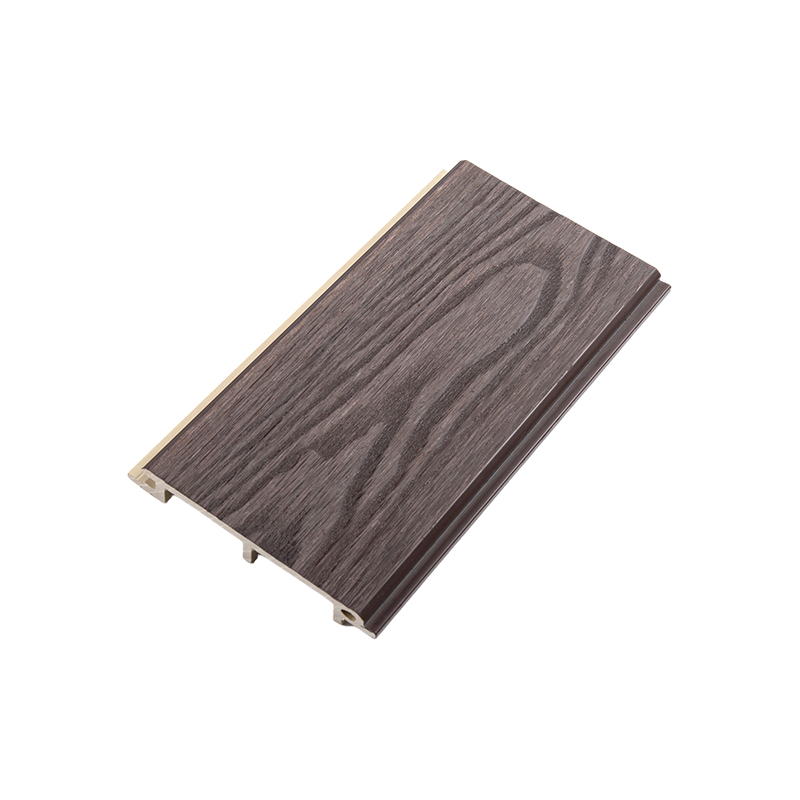
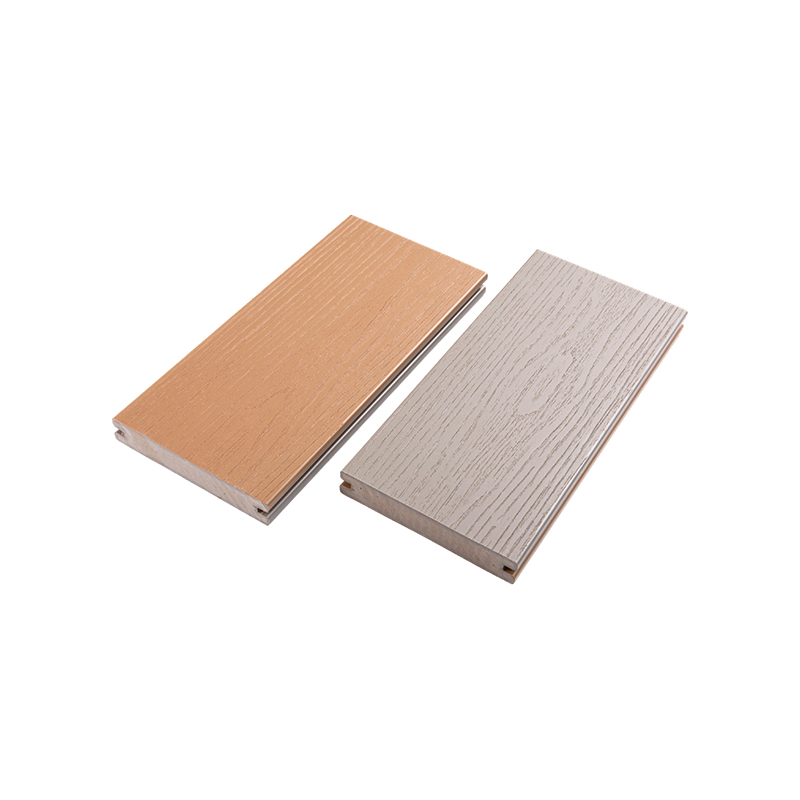
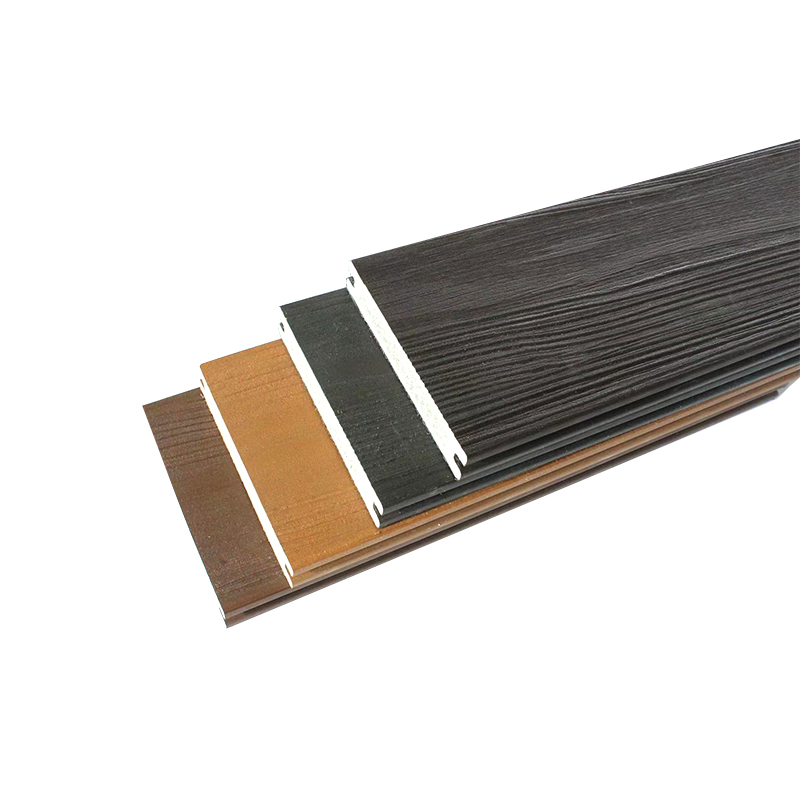 ASA Armor Series Covered FlooringPairs a rigid PVC core with a high-density ASA cap in embossed wood grain, offering waterproof, anti-slip, UV-resistant decking for terraces, boardwalks, and courtyards.View Product →
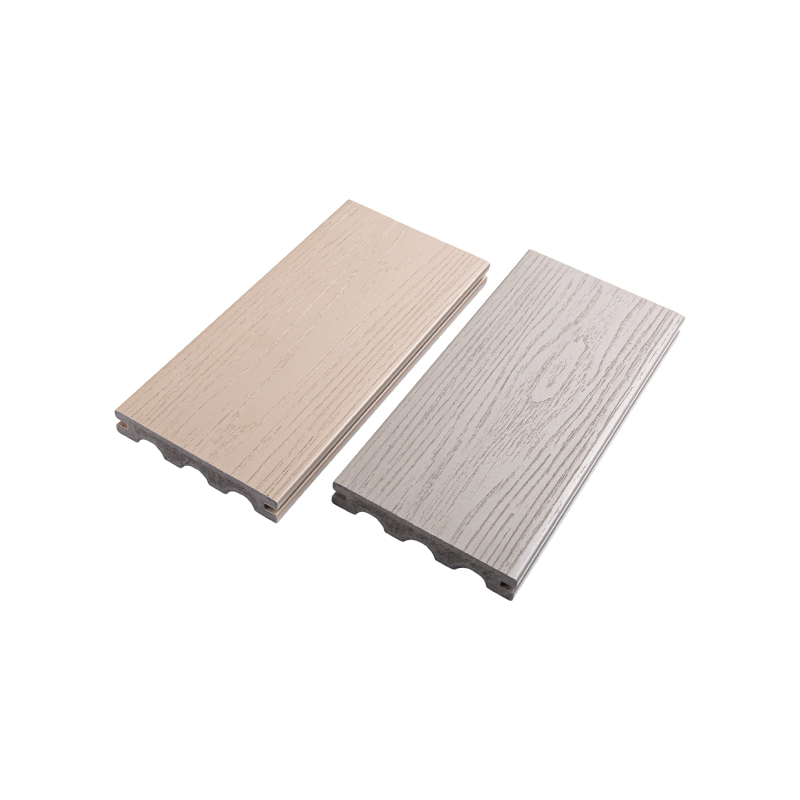
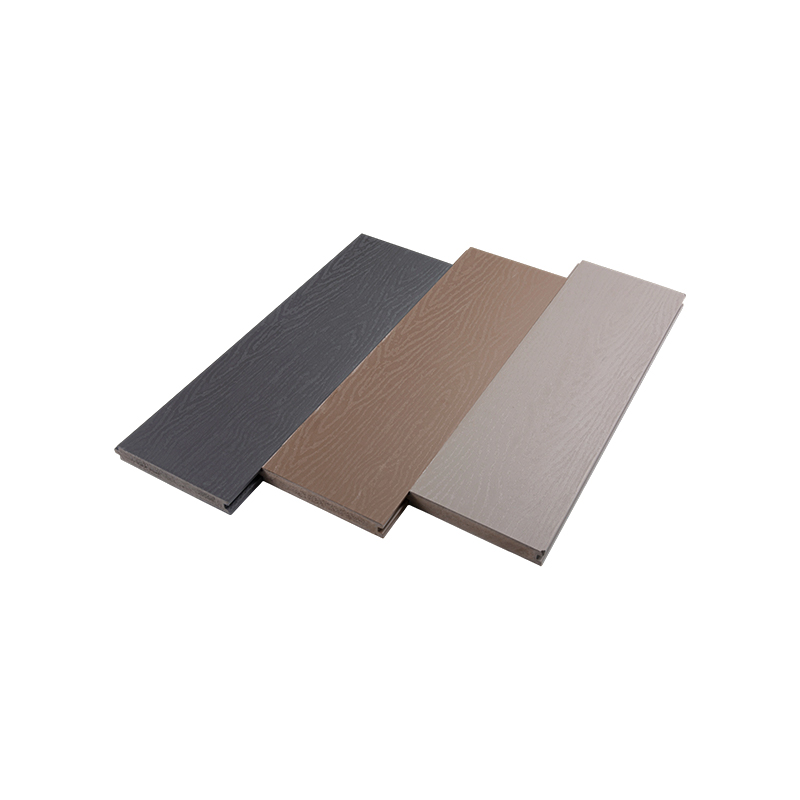 Double Armor Full Solid Porch FloorA solid-core 152x22mm board built for high-load areas like porches and stair landings, with a textured drainage surface, seamless jointing, and easy maintenance.View Product →
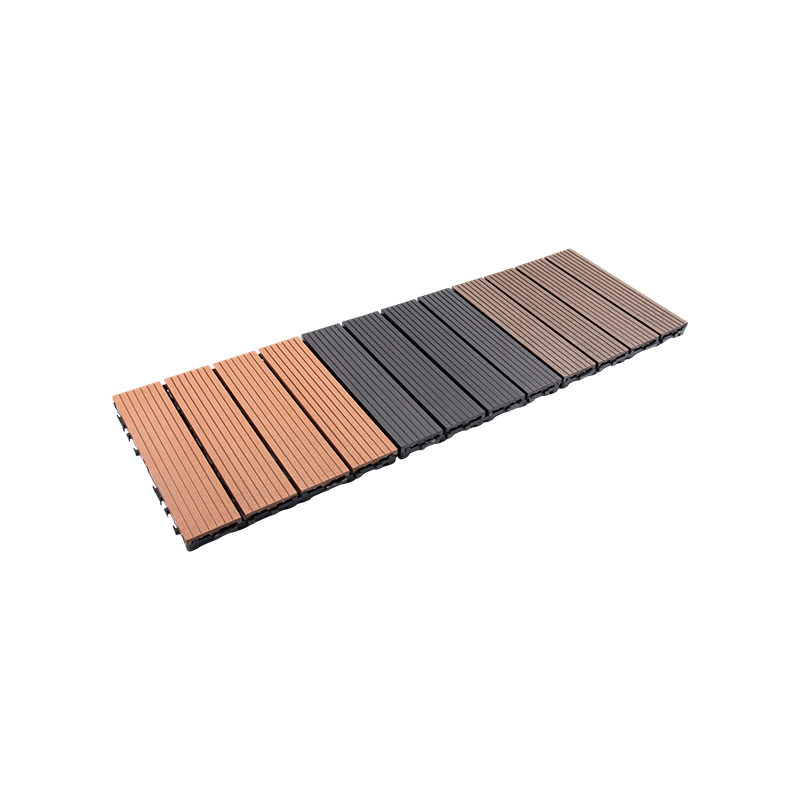 DIY Series Outdoor Flooring300x300mm clip-down boards designed for tool-free homeowner installation on balconies, porches, and garden paths, with waterproof, non-slip, low-maintenance surfaces.View Product →
What Is ASA Capped Decking? A Complete Guide to This Weatherproof Board
ASA capped decking is a deck board built in two bonded layers: a structural PVC core wrapped in a thin skin of ASA (acrylonitrile styrene acrylate), a polymer engineered specifically for long-term sun and weather exposure. The skin is co-extruded onto the core during manufacturing, so the two layers behave as a single board rather than a coated one. In short: the core carries the load, the ASA shell absorbs the sun and the spills, and that division of labor is why these boards resist fading, staining, and moisture damage far better than bare wood or uncapped composite.
What Exactly Is ASA Capped Decking?
ASA belongs to the same polymer family as ABS — the plastic in appliance housings and car interior trim — with one deliberate change: the rubber component that makes ABS tough but sun-sensitive is replaced with an acrylic ester. That swap is why ASA holds color and shape outdoors where ABS would chalk and turn brittle. Automakers rely on it for mirror housings and exterior trim that sit in direct sun for years; decking producers borrow the same property for the layer that faces the sky.
The "capped" part describes the build method. During co-extrusion, the core compound and the ASA surface compound are melted and pushed through the same die in a single pass, bonding into one profile as they cool. The cap is thin — a skin, not a shell — but dense, non-porous, and colored all the way through, so a scratch that stays within it never exposes a lighter substrate.
This construction separates ASA capped boards from two older categories: uncapped wood-plastic composite, whose exposed wood fibers are where water absorption, staining, and fading begin, and bare PVC boards, which historically depended on applied surface finishes that could wear away. With an ASA cap, weather resistance is a property of the material itself rather than something painted on.
Product names make sense once you know this. Our ASA Armor series covered flooring, for example, pairs a rigid PVC body with a high-density ASA surface in embossed wood-grain finishes.
ASA Armor Series Covered FlooringPairs a rigid PVC core with a high-density ASA cap in embossed wood grain, offering waterproof, anti-slip, UV-resistant decking for terraces, boardwalks, and courtyards.View Product →Inside the Board: How the Two Layers Work Together
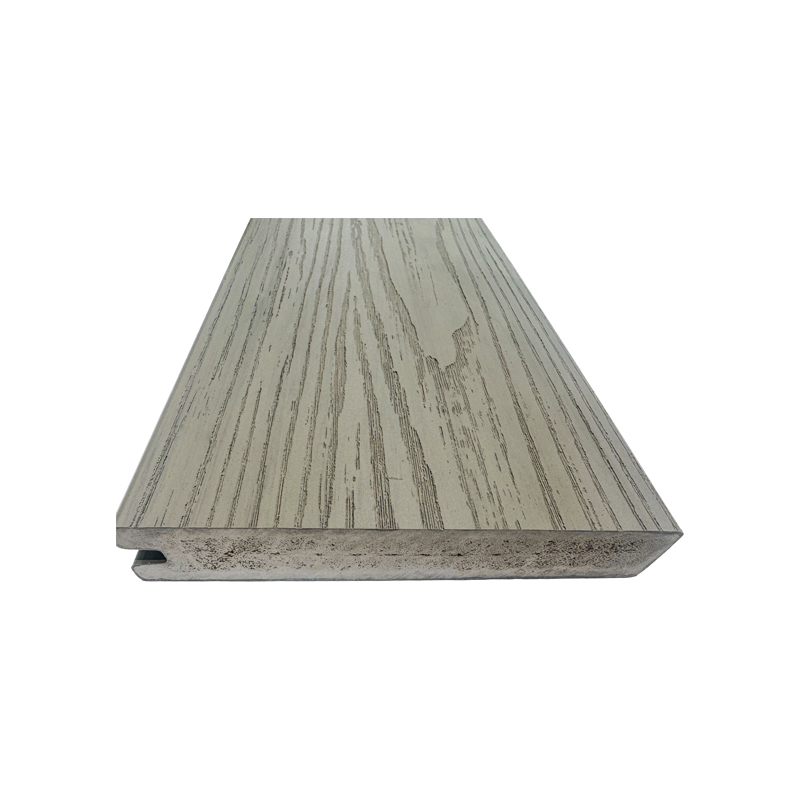
Each layer has one job. The core provides stiffness and span capability — solid for maximum load capacity, or foamed to cut weight on residential frames. The cap handles everything the environment delivers: ultraviolet light, rain, chlorine splash, grill grease, and foot traffic. Coverage matters as much as composition here. A board capped on all four sides leaves moisture no route into the core through edges or cut ends, while face-only capping leaves those paths open.
Where loads run highest — ground-level porches, commercial walkways, stair landings — a solid core removes the hollow profile entirely. That is the approach behind our Double Armor full solid series porch floor.
Double Armor Full Solid Porch FloorA solid-core 152x22mm board built for high-load areas like porches and stair landings, with a textured drainage surface, seamless jointing, and easy maintenance.View Product →How It Compares to Wood and Uncapped Composite
No material wins on every axis, so the practical question is where the difference shows up first. The table below summarizes the gaps owners tend to notice within the first few seasons.
| Property | ASA capped PVC | Uncapped WPC | Pressure-treated wood |
|---|---|---|---|
| Fade resistance | High — the ASA compound holds pigment in direct sun | Moderate — exposed fibers gray over time | Low — grays quickly without sealing |
| Moisture behavior | Non-porous surface; no swelling at the face | Absorbs water through edges and deep scratches | Absorbs freely; swells, cracks, and rots |
| Stain cleanup | Most spills wipe off the surface | Porous face locks in oil and tannin | Grease and wine leave lasting marks |
| Upkeep | Periodic wash with soap and water | Regular cleaning; sealing often debated | Regular cleaning plus a resealing schedule |
| Surface feel | Stays splinter-free | Occasional fiber exposure | Splinters as the surface ages |
Two caveats keep the comparison honest. Any deck surface can be marked by dragged furniture or a dropped grate; the difference is whether the mark cleans off or becomes permanent. And fade resistance describes the cap, not the core, so cap coverage and warranty terms deserve as much attention as color choice. For a deeper look at the durability question, see our comparison of ASA outdoor PVC decking against wood.
Where ASA Capped Decking Performs Best
The cap earns its premium in specific conditions rather than everywhere. If a project matches any of the situations below, the material case is strong.
Full-sun exposure
UV stability is the cap's core function, so color holds where unprotected surfaces chalk and gray.
Pool and spa surrounds
Chlorinated splash sits on a non-porous skin and wipes away instead of soaking in.
Humid, coastal climates
With no exposed wood fiber, there is little for mold and mildew to feed on.
Ground-level decks
Restricted airflow keeps boards damp for long stretches, which an impermeable skin handles.
Cold regions
Dense PVC structures hold their dimensions through repeated freeze-thaw cycles.
Rental properties
Fewer maintenance cycles translate directly into lower running costs over the board's life.
What to Check Before You Buy
Cap quality varies between manufacturers, and the label alone does not guarantee the same performance. Five checks separate a well-built board from a marketing claim.
- Cap coverage — confirm the board is capped on all four sides, including the ends, or plan to seal cut ends on site.
- Core construction — choose solid profiles for high-load and ground-level areas, foamed cores where frame weight matters.
- Surface texture — deep embossing improves grip around pools and on stairs; a glossier face trades traction for looks.
- Warranty scope — check how long fade and stain coverage lasts and whether it fits the conditions on your site.
- Fixing system — grooved boards run on hidden clips, while face-screw profiles need matching fasteners; confirm clips and plugs are available.
Sample boards are worth ordering before committing to a full run, because grain depth and gloss read very differently in daylight than on a screen. Samples and project quotes are available through our contact page.
Installation and Everyday Care
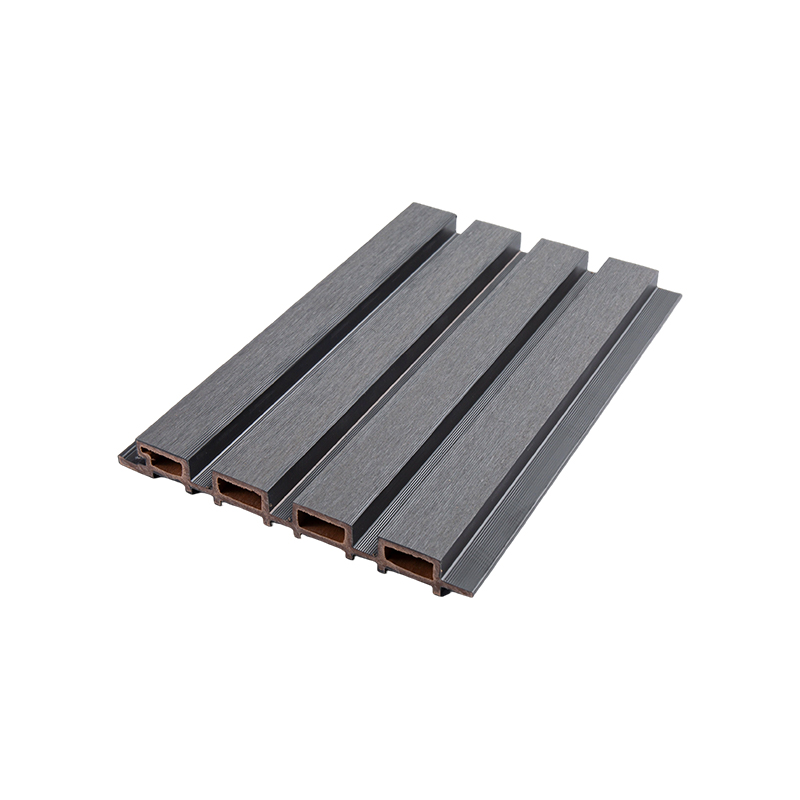
Installation follows the same rules as any engineered board: correct joist spacing, gaps for thermal movement between boards, and the manufacturer's fixing system. Boards arrive pre-finished, so there is no sanding or sealing stage and the deck is usable once the last clip goes in. Purpose-made profiles simplify small projects — our DIY series outdoor flooring, for instance, is designed for straightforward clip-down installation by homeowners.
DIY Series Outdoor Flooring300x300mm clip-down boards designed for tool-free homeowner installation on balconies, porches, and garden paths, with waterproof, non-slip, low-maintenance surfaces.View Product →
Routine care rarely goes beyond sweeping and an occasional wash with mild soap and water. Wire brushes and abrasive pads are unnecessary on a non-porous surface and can dull the embossing, so a soft brush or cloth is the better tool.
Frequently Asked Questions
Is ASA the same material as PVC?
No. PVC forms the structural core; ASA is the weatherable polymer capping it. "ASA capped decking" describes the combination — a PVC board with an ASA skin fused on during extrusion.
Can the ASA cap peel off over time?
Not the way paint peels. The cap is co-extruded and bonded into the profile as the board forms, so there is no separate applied layer to lift away. Damage shows up as scratches within the cap, not as flaking.
Does ASA capped decking get hot in full sun?
Like any dark deck surface, yes. The cap resists UV damage, but it does not change how a dark surface absorbs heat. Lighter colors and deep embossing help in poolside settings.
How does the cost compare with wood?
The upfront price sits above pressure-treated lumber and roughly in line with other premium engineered boards. The gap narrows over the years because there is no annual sealing cycle and no boards lost to rot.
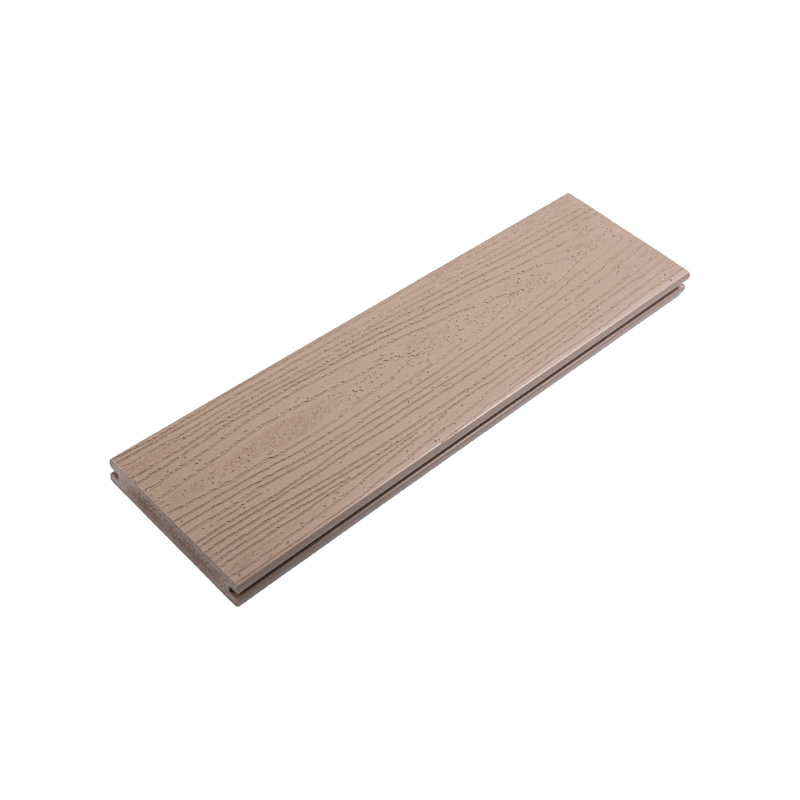

An interior and exterior panel company dedicated to the environmental protection technology research of recyclable materials.
Address
- No. 18, Dexing Road, West District, Guangde Economic Development Zone, Xuancheng City, Anhui Province, China
Quick Menu
Get in Touch
Copyright ©Anhui Airuites New Material Co.,Ltd. All Rights Reserved. Privacy Custom Recyclable Indoor And Outdoor Panels Manufacturer
