
 English
 中文简体
 Español
Industry News
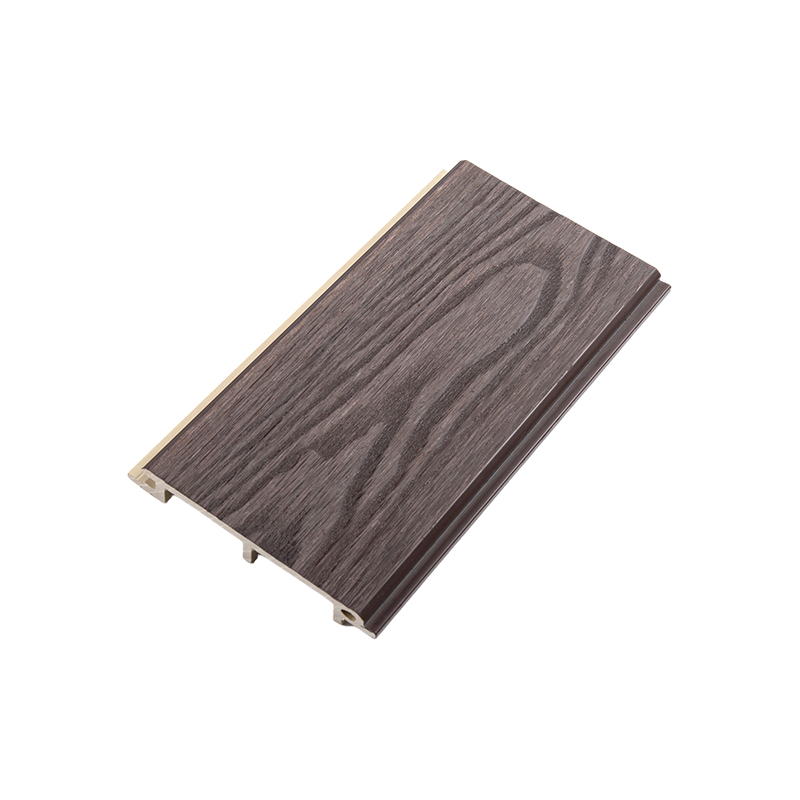
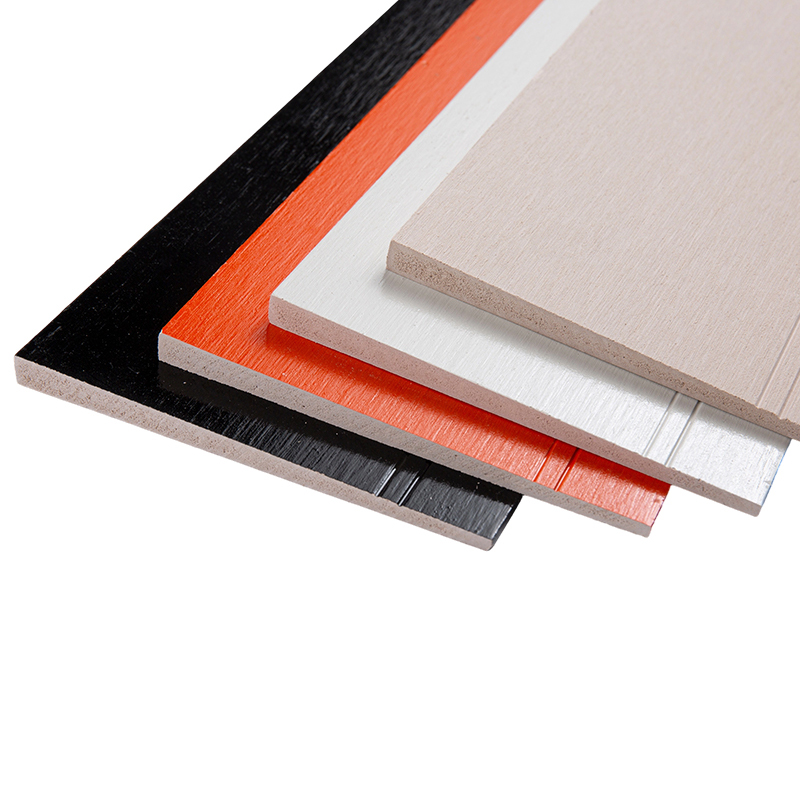 Custom Wood Plastic Composite (WPC) Wall PanelsThese eco-friendly, waterproof WPC panels are a solid fit for the interior accent walls and humid rooms discussed here, with easy DIY installation and customizable colors.View Product →
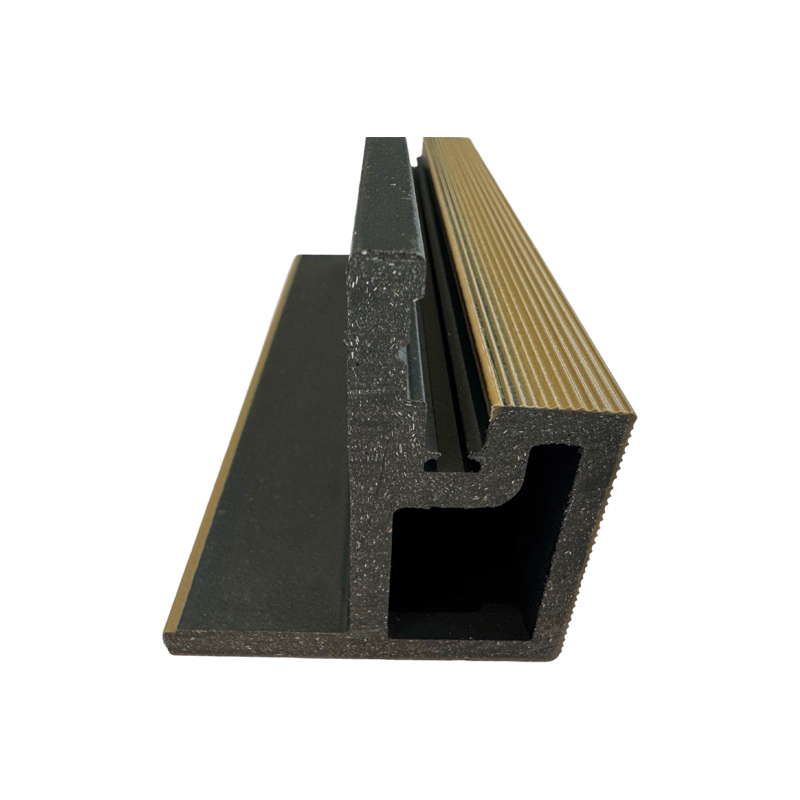
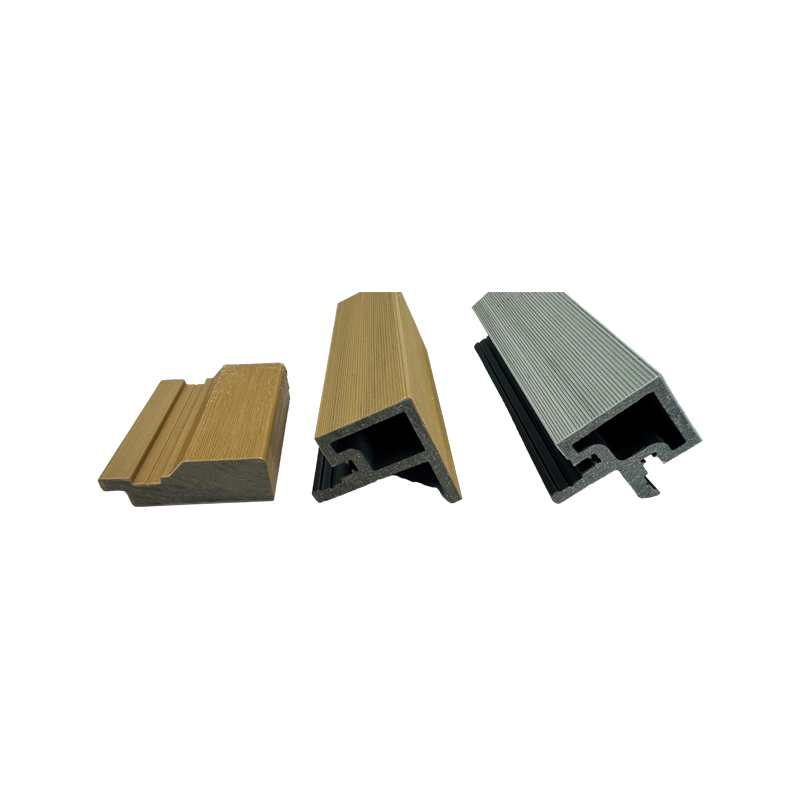 Custom Wall Panel Corner AccessoriesMatching corner fittings help seal and finish panel joints cleanly, supporting the waterproofing detail that matters most when walls face real moisture.View Product →
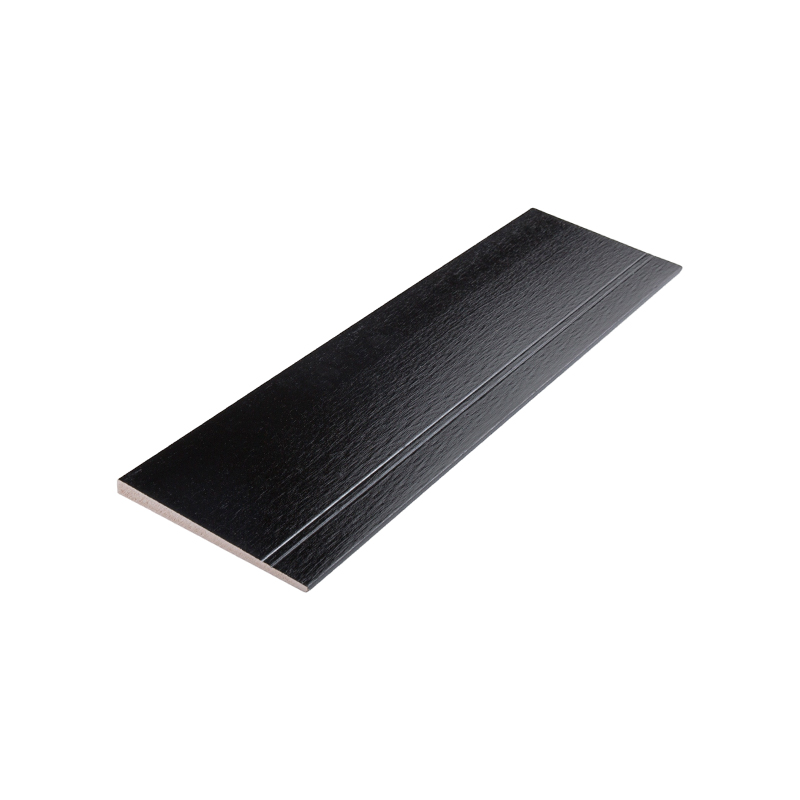
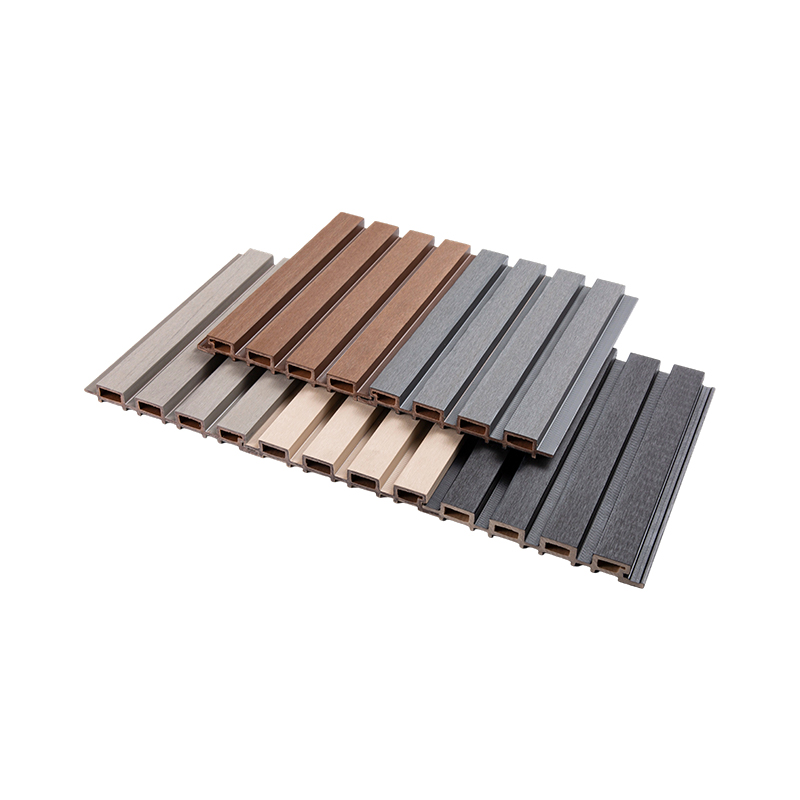 ASA Fluted 3D Wood Grain Wall PanelsThe ASA co-extruded cap delivers factory-built waterproofing, UV-stable color, and low maintenance, making these panels well suited to demanding exterior cladding.View Product →
Are WPC Wall Panels Waterproof? What Homeowners and Buyers Should Know
Content
- 1 Why WPC Wall Panels Resist Water in the First Place
- 2 Where WPC Wall Panels Perform Well
- 3 Where the Waterproof Claim Runs Out
- 4 How WPC Compares With Other Wall Panel Materials
- 5 Four Installation Steps That Keep Water Out
- 6 Choosing the Right Panel for a Damp or Outdoor Wall
- 7 Frequently Asked Questions
- 8 Reference Sources
WPC wall panels are water-resistant, but they are not waterproof in the way a sheet of PVC or ceramic tile is. The composite core shrugs off humidity, splashes and daily wipe-downs far better than solid wood, yet standing water and prolonged soaking will still find their way in through cut edges, seams and fixings. Whether a panel survives a wet location depends on three things: the formulation (especially whether it carries a co-extruded ASA or PVC skin), the exposure zone you are installing into, and how carefully the joints and edges are finished.
That distinction matters whether you are lining a bathroom vanity wall, cladding a covered porch, or quoting a hotel project. This guide explains how the material behaves, where it works, where it does not, and which installation details decide the outcome.
Why WPC Wall Panels Resist Water in the First Place
Wood-plastic composite boards are produced by blending wood fiber or wood flour with thermoplastics such as PVC or PE, then extruding the mix into dense, uniform panels. In solid wood, moisture moves freely through the grain, which is what drives swelling, cupping, rot and insect damage over the years. In WPC, the plastic encapsulates the wood fibers, leaving far fewer continuous pathways for water to travel. A quality panel absorbs only a small fraction of the water that natural wood does, and it will not rot or feed mold and insects.
The surface is the second line of defense. Panels with a co-extruded ASA or PVC outer layer carry a non-porous skin bonded to the core during extrusion, so water sits on top of the board instead of wicking into it. ASA is engineered for long-term outdoor weathering, which is why it is also specified on exterior decking products.
For interior accent walls and humid rooms, a standard WPC panel is usually all you need:
Custom Wood Plastic Composite (WPC) Wall PanelsThese eco-friendly, waterproof WPC panels are a solid fit for the interior accent walls and humid rooms discussed here, with easy DIY installation and customizable colors.View Product →Where WPC Wall Panels Perform Well
Because the core tolerates humid air and occasional splashes, WPC panels suit a wide range of residential and commercial walls. Match the location to the expectation:
Living rooms and bedrooms
Dry air only. Any well-made WPC panel works here with no special finishing.
Kitchens and dining areas
Splash zones are fine. Wipe spills off and seal the seams near sinks and cooktops.
Bathrooms
Good on dry walls around vanities. Keep the material out of direct shower spray.
Laundry and utility rooms
Handles humid air well. Fix appliance drips quickly so water never pools at the base.
Covered porches and balconies
Choose ASA-capped panels and keep a drainage gap behind the boards.
Open exterior walls
Workable with a rain-screen cavity, sealed edges and proper trims.
Where the Waterproof Claim Runs Out
The failure points are predictable. WPC panels are designed around splash-level exposure, and three conditions take you past that design envelope:
Bar length indicates how demanding the exposure is. WPC wall panels are built for levels 1 and 2, not for conditions where water sits against the panel.
- Standing or ponding water: WPC is built to shed water, not to hold it. Wall bases, planter recesses and spots where water collects will stay wet and eventually stain or degrade the finish.
- Soaked cut edges: the moment a board is cut, bare wood fiber is exposed. Left unsealed in a wet zone, cut edges are where absorption starts.
- Open seams and gaps: water that runs behind a panel has nowhere to go. Without trims and drainage, the joints become the weak point of the whole wall.
None of this makes WPC a poor material. It makes it the wrong material for shower enclosures, fountain walls and other places where water collects daily. Match the panel to the exposure, not the other way round.
How WPC Compares With Other Wall Panel Materials
No wall panel is waterproof in every sense. The useful question is how each material behaves in the place you plan to install it:
| Material | Core water behavior | Best fit | Main watch-out |
|---|---|---|---|
| WPC panel | Low absorption; fibers sealed in plastic | Indoor feature walls, humid rooms, covered outdoor areas | Cut edges and joints absorb water if left unfinished |
| ASA-capped panel | Non-porous outer skin over the core | Outdoor cladding, covered porches, high-splash areas | Higher price; the cap must not be punctured |
| PVC panel | Fully waterproof core | Wet rooms, ceilings, walls next to showers | Less rigid; a more obviously plastic look |
| Solid wood panel | Absorbs and releases moisture | Dry interiors with stable humidity | Swelling, rot and insects in damp conditions |
Four Installation Steps That Keep Water Out
Most water problems with WPC walls trace back to installation, not to the board itself. Four steps prevent nearly all of them:
1
Level the substrate or furring
Fix battens to a flat, sound wall and keep the cavity dry. A level frame prevents stress at the joints and lets the wall behind the panel breathe.
2
Seal every cut edge
Factory edges are finished; saw cuts are not. Apply edge sealant or wax to each cut, especially on boards used below waist height or outdoors.
3
Leave room to move
Composite boards expand and contract slightly with temperature. Follow the manufacturer's gap recommendation at ends and joints so seams never open under stress.
4
Close corners and joints with trims
Corner pieces, end caps and divider trims keep raw edges out of sight and out of the rain. Match them to the panel profile rather than improvising.
For step four, matching accessories matter more than most buyers expect:
Custom Wall Panel Corner AccessoriesMatching corner fittings help seal and finish panel joints cleanly, supporting the waterproofing detail that matters most when walls face real moisture.View Product →Choosing the Right Panel for a Damp or Outdoor Wall
If a wall will see real moisture, check four things before ordering: whether the panel carries a co-extruded ASA or PVC cap, how the tongue-and-groove or shiplap profile seals, the density of the core, and whether the manufacturer publishes water-absorption data. A capped panel costs more per square meter, but it moves most of the waterproofing job from the installer's hands into the factory.
ASA Fluted 3D Wood Grain Wall PanelsThe ASA co-extruded cap delivers factory-built waterproofing, UV-stable color, and low maintenance, making these panels well suited to demanding exterior cladding.View Product →
ASA-capped boards earn their keep outdoors. The same surface chemistry that keeps decking color-stable under sun and rain carries over to exterior cladding, and the durability argument is the same one we make when comparing ASA-capped outdoor decking against solid wood.
If you are matching a panel to a specific wall — a basement, a poolside changing room, a coastal facade — the fastest way to close the uncertainty is to request a sample and the relevant test reports before committing to a full order.
Frequently Asked Questions
Can WPC wall panels be installed inside a shower enclosure?
This is not recommended. Inside an enclosure, panels face direct spray, steam and water sitting in the joints for years, which exceeds splash-level resistance. Use fully waterproof materials such as PVC panels or tile in the wet zone, and keep WPC on the dry walls of the same bathroom.
Do I really need to seal the cut edges of WPC panels?
In dry indoor rooms, an unsealed cut edge rarely causes problems. In kitchens, bathrooms, laundries and any outdoor installation, yes — the cut is the one place where bare wood fiber meets water directly, so seal it with edge sealant or wax, or orient factory-finished edges toward the exposed side.
Will WPC wall panels survive rain on an exterior wall?
They can, if the system is built for it: an ASA-capped panel, a ventilated furring or rain-screen gap behind the boards, sealed cut edges, and trims closing every joint and corner. Bare-core panels glued flat to an exterior wall with open joints are where outdoor installations fail.
WPC or PVC wall panels — which is better for damp rooms?
For walls next to showers or in genuinely wet rooms, PVC wins because its core contains no wood fiber at all. For living spaces, bedrooms, kitchens and covered outdoor areas, WPC gives a more wood-like appearance and greater rigidity while still handling humid air and splashes comfortably.
Reference Sources
- Product technical data sheets and installation guides published by wood-plastic composite panel manufacturers
- ASTM standards and testing methods for wood-plastic composite building materials
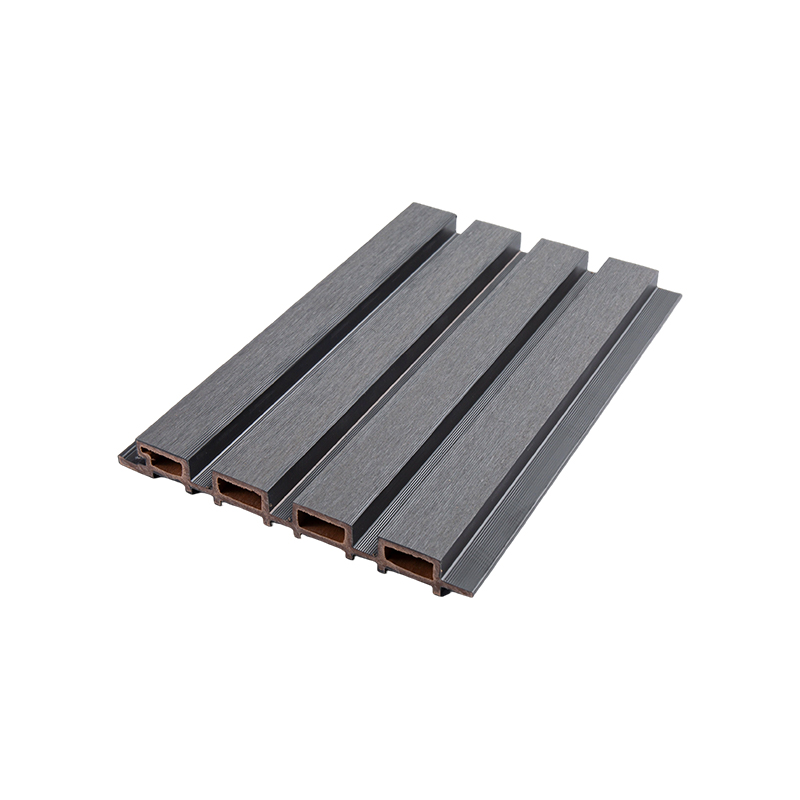

An interior and exterior panel company dedicated to the environmental protection technology research of recyclable materials.
Address
- No. 18, Dexing Road, West District, Guangde Economic Development Zone, Xuancheng City, Anhui Province, China
Quick Menu
Get in Touch
Copyright ©Anhui Airuites New Material Co.,Ltd. All Rights Reserved. Privacy Custom Recyclable Indoor And Outdoor Panels Manufacturer
