
 English
 中文简体
中文简体 Español
Industry News
What makes a deck board manufacturer reliable?
Content
- 1 Core Elements Defining a High-Quality Deck Board Factory
- 2 Stringent Quality Control Measures in a Premium Factory
- 3 Sustainability and Environmental Responsibility in Deck Board Production
- 4 Important Considerations When Evaluating a Deck Board Factory
- 5 Key Steps to Source from a Reliable Deck Board Manufacturer
Identifying a quality deck board factory requires looking beyond surface-level production capabilities to examine the synergy between advanced material science, precision manufacturing technology, and rigorous quality control protocols. The definitive hallmark of a top-tier manufacturer is its ability to consistently engineer composite or capped polymer boards that withstand extreme environmental stressors without compromising on structural integrity or aesthetic appeal. A premium factory operates not merely as a production facility, but as an innovation hub where every variable—from the precise moisture content of the wood fiber to the exact cooling rate of the extruded profile—is meticulously calibrated. The ultimate goal is to produce deck boards that offer a lifespan measured in decades, requiring minimal maintenance while resisting fading, staining, and structural warping. Therefore, the true measure of a superior factory lies in its holistic approach to sustainable sourcing, automated process control, and comprehensive product testing, ensuring that every batch meets an elite standard of outdoor living performance.
Core Elements Defining a High-Quality Deck Board Factory
Raw Material Sourcing and Formulation
The foundation of any exceptional deck board is rooted in the quality of its raw materials. A leading factory prioritizes the procurement of high-grade polymers and meticulously processed wood fibers. For composite decking, the precise ratio of polyethylene or polyvinyl chloride to wood flour is a closely guarded formulation that dictates the final product's strength and moisture resistance. Furthermore, a quality manufacturer implements stringent drying protocols to reduce the moisture content of the wood fiber before extrusion. This meticulous moisture control prevents the formation of micro-voids within the board, resulting in a denser, more durable product with significantly lower water absorption rates. The inclusion of premium additives, such as UV stabilizers and high-grade colorants, is also essential to ensure long-term colorfastness and resistance to thermal degradation.
Advanced Manufacturing and Extrusion Technology
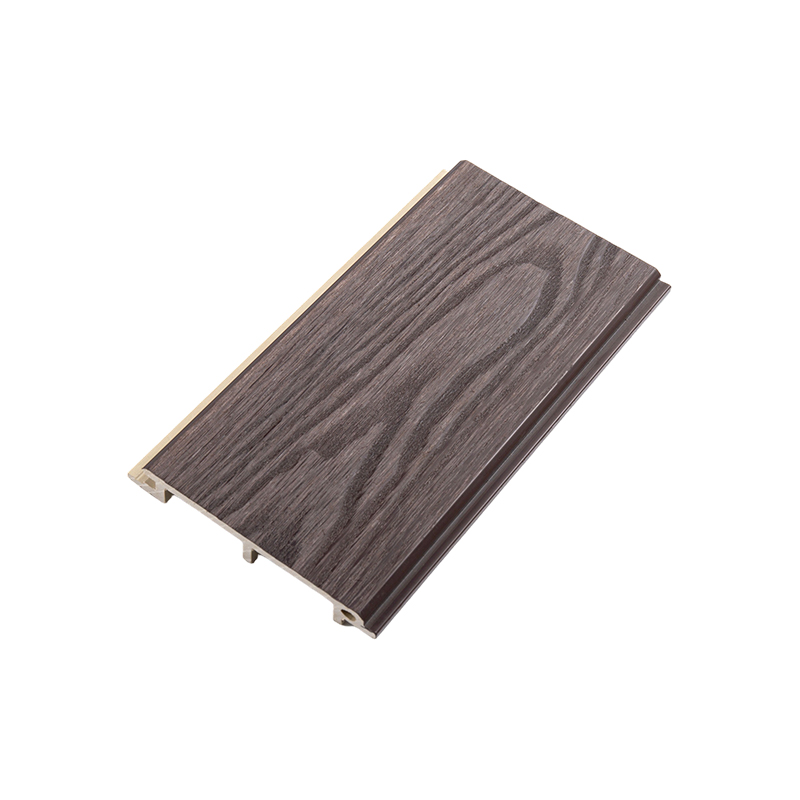
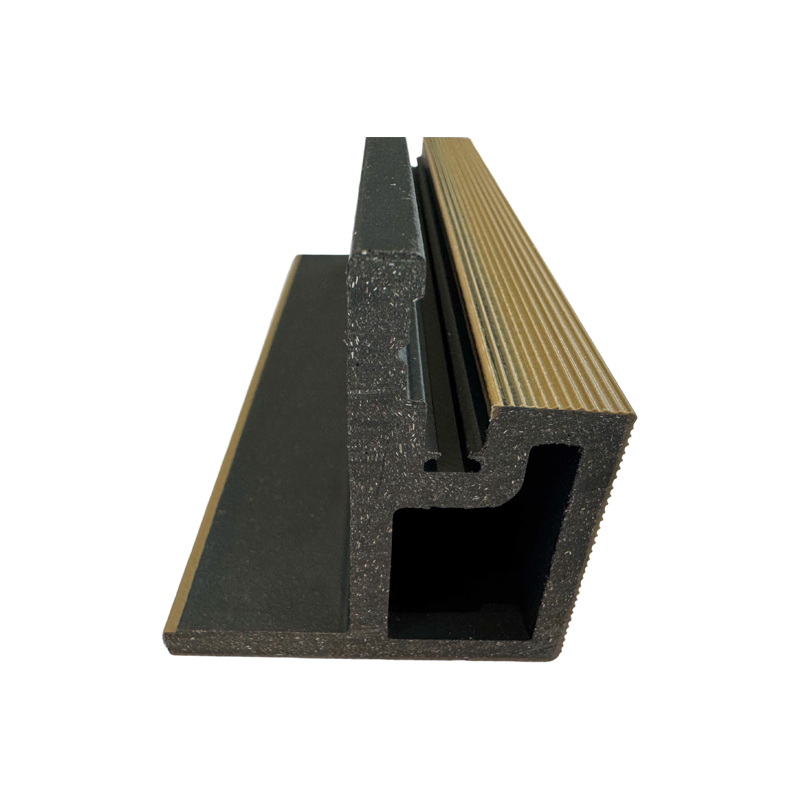
The technological infrastructure of a factory is the primary differentiator between mediocre and premium deck boards. State-of-the-art facilities utilize sophisticated co-extrusion technology, a process where a recycled polymer core is simultaneously encapsulated within a highly engineered, impermeable polymer shell. This four-sided capping acts as a comprehensive shield against biological threats like mold and mildew, as well as environmental threats like spills and UV radiation. The use of precision-machined dies and automated cooling tunnels ensures that each board exits the extruder with exact dimensional tolerances. In-line scanning systems continuously monitor the surface for imperfections, allowing for real-time adjustments to the extrusion speed and temperature, thereby guaranteeing a flawless finish on every plank.
Stringent Quality Control Measures in a Premium Factory
Comprehensive Laboratory Testing Standards
A hallmark of a quality deck board factory is its investment in an advanced, in-house testing laboratory. Before any new formulation reaches the production floor, it is subjected to a battery of standardized stress tests. Accelerated weathering chambers expose samples to intense UV light and moisture cycles, simulating years of harsh outdoor exposure to verify that the product will not fade or chalk. Flexural strength testing machines apply immense pressure to the boards to determine their load-bearing capacity and resistance to sagging. Additionally, slip-resistance tests are conducted to ensure the textured surface provides adequate traction in wet conditions, a critical safety metric for outdoor decking. Factories committed to excellence will routinely publish their testing metrics, proving that their products comply with or exceed international building code standards.
Real-Time Monitoring on the Production Line
Quality assurance extends far beyond the laboratory and is deeply integrated into the production line itself. Laser micrometers are deployed across the cooling bath and puller stations to continuously measure the width, thickness, and squareness of the deck boards. If the product deviates from the strict tolerances, the automated system immediately flags the batch and adjusts the extrusion parameters. Thermocouples placed throughout the barrel of the extruder ensure that the polymer melt maintains a consistent temperature, preventing thermal degradation of the material. This convergence of automated monitoring and skilled quality assurance technicians ensures that every board produced is dimensionally consistent and free from structural defects.
Sustainability and Environmental Responsibility in Deck Board Production
Integration of Recycled Materials
Environmental stewardship is a defining characteristic of a modern, high-quality deck board factory. Leading manufacturers actively divert waste from landfills by incorporating high percentages of post-consumer and post-industrial recycled plastics into their core formulations. The wood fibers used are typically sourced from reclaimed sawdust and wood scraps generated by secondary manufacturing processes, ensuring that no virgin trees are harvested specifically for deck board production. A truly elite factory operates a closed-loop recycling system, where all manufacturing offcuts, defective boards, and edge trims are ground down and re-introduced into the extrusion feed stream. This zero-waste manufacturing philosophy significantly reduces the factory's environmental footprint while producing a product that is itself highly recyclable at the end of its lifecycle.
Emission Reduction and Energy Efficiency
Beyond material sourcing, a responsible factory optimizes its operational energy consumption. Modern extrusion lines are equipped with highly efficient motors and heating bands that minimize electricity usage. Furthermore, the heat generated during the polymer extrusion process is often captured and redirected to heat the factory's facilities or to pre-dry the raw wood fibers. Advanced water cooling systems utilize closed-loop chiller technologies, drastically reducing water consumption by continuously recycling the cooling fluid. Exhaust air scrubbers and filtration systems are installed to capture any volatile organic compounds or fine particulate matter, ensuring that the facility maintains a minimal impact on local air quality.
Important Considerations When Evaluating a Deck Board Factory
When assessing a potential deck board manufacturer, buyers and distributors must evaluate the factory's operational framework rather than relying solely on marketing materials. The physical infrastructure, capacity for innovation, and commitment to international standards are direct indicators of the reliability and longevity of the products they produce. A thorough evaluation matrix helps to objectively compare different facilities, ensuring that the selected partner can deliver consistent quality at scale.
| Evaluation Criteria | Indicators of High Quality | Impact on Final Product |
|---|---|---|
| Material Composition | High-grade polymers, refined wood flour, premium UV additives | Superior durability, fade resistance, and structural stability |
| Manufacturing Technology | Co-extrusion lines, automated cooling, laser profiling | Consistent dimensions, flawless surface finish, enhanced protection |
| Quality Control | In-house lab, accelerated weathering, flexural testing | Verified performance, safety compliance, long lifespan |
| Sustainability | Closed-loop recycling, recycled content, energy efficiency | Lower environmental impact, eco-friendly end product |
Key Steps to Source from a Reliable Deck Board Manufacturer
Finding a high-quality deck board factory necessitates a systematic and rigorous sourcing protocol. Buyers must prioritize verifiable evidence over promotional claims, ensuring that the manufacturing partner possesses the infrastructure and expertise to fulfill long-term requirements. A structured approach mitigates the risk of receiving substandard materials and establishes a foundation for a sustainable supply chain.
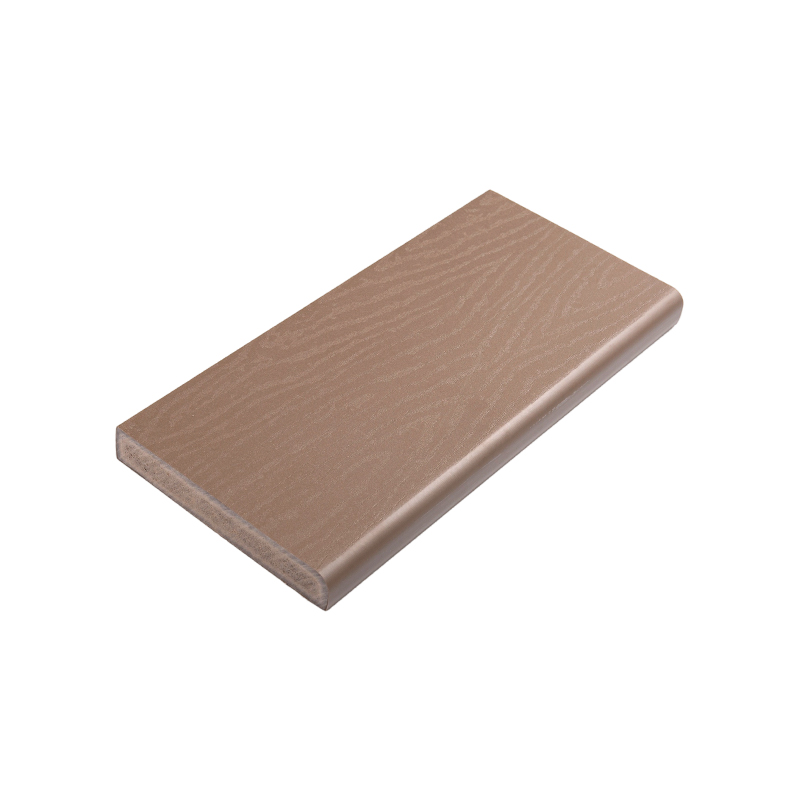
- Request Comprehensive Product Samples: Evaluate the weight, texture, and structural rigidity of the boards firsthand. Examine the capping layer for consistent coverage and test the surface's resistance to common household stains.
- Verify Third-Party Certifications: Ask for documentation proving compliance with international standards, such as ISO management systems and relevant building code evaluations. Independent verification confirms that the factory's internal testing is accurate and reliable.
- Conduct a Virtual or Physical Factory Audit: Inspect the cleanliness of the facility, the age and condition of the extrusion equipment, and the organization of the raw material warehouse. A well-maintained, orderly factory floor is a strong indicator of disciplined production management.
- Assess Research and Development Capabilities: Inquire about the factory's ability to develop custom colors, specialized profiles, or innovative surface textures. A robust R&D department indicates a forward-thinking manufacturer committed to product evolution.
- Evaluate Technical Support and Warranty Terms: A quality factory will stand behind its products with a comprehensive, long-term warranty and will offer technical guidance regarding installation and maintenance to ensure optimal product performance.

An interior and exterior panel company dedicated to the environmental protection technology research of recyclable materials.
Address
- No. 18, Dexing Road, West District, Guangde Economic Development Zone, Xuancheng City, Anhui Province, China
Quick Menu
Get in Touch
Copyright ©Anhui Airuites New Material Co.,Ltd. All Rights Reserved. Privacy Custom Recyclable Indoor And Outdoor Panels Manufacturer
