
 English
 中文简体
中文简体 Español
Industry News
What makes a high quality deck board suitable for outdoor spaces?
Truly quality deck boards are outdoor flooring materials that integrate excellent weather resistance, structural firmness, safety performance and environmental friendliness. Such products can adapt to various outdoor environments, keep stable physical properties for decades, require only simple routine care, and fully meet the load and anti-slip demands of pedestrian activity. Top-grade deck boards usually deliver a service life of more than 20 years under normal outdoor conditions, far outperforming cheap alternatives that warp, crack or fade within a few years. Choosing qualified deck boards is the foundation for building safe, comfortable and long-lasting outdoor deck areas for homes and public spaces.
Key Evaluation Standards for Quality Deck Boards
Weather and Moisture Resistance
Outdoor deck boards are exposed to sun, rain, snow and humidity all year round, so moisture resistance is a core indicator of quality. High-quality deck boards will not absorb excessive water, so they avoid common problems like swelling, shrinking and mold growth. In humid regions or areas near water bodies, this performance becomes even more critical. Inferior boards tend to soak up water quickly, leading to structural damage in a short period of time.
Anti-Slip and Safety Performance
A qualified deck board must have a professional anti-slip surface design, even when the surface is wet. This design effectively prevents slips and falls, especially for families with elders and children. Standard-compliant quality deck boards pass professional anti-slip tests, ensuring safe walking experience in rainy or frosty weather.
Structural Stability and Load Bearing
Quality deck boards maintain stable shape and hardness after long-term use. They can bear regular pedestrian loads without bending, sagging or breaking. Fine processing and reasonable internal structure ensure the overall rigidity of each board, so the whole deck structure stays solid after installation.
Color Retention and Surface Durability
Long-term ultraviolet radiation will cause ordinary materials to fade and discolor. Premium deck boards adopt special surface treatment technology, keeping original color and texture for over a decade under direct sunlight. Their surface also resists scratches and abrasion from daily use.
Common Material Types of Quality Deck Boards
| Material Type | Moisture Resistance | Maintenance Demand | Service Life |
|---|---|---|---|
| Solid Hardwood | Medium | High | Long |
| Wood-Plastic Composite | Excellent | Low | Very Long |
| Modified Wood | Good | Medium | Long |
Solid Hardwood Deck Boards
Natural hardwood has natural texture and comfortable foot feel, which is favored by many people who pursue original style. High-quality solid wood deck boards are selected from dense hardwood species and go through strict anti-corrosion and anti-mold treatment. They look elegant and have good load-bearing capacity. However, natural wood needs regular painting and sealing treatment every few years to resist moisture and ultraviolet rays, otherwise it will gradually age and deform.
Wood-Plastic Composite Deck Boards
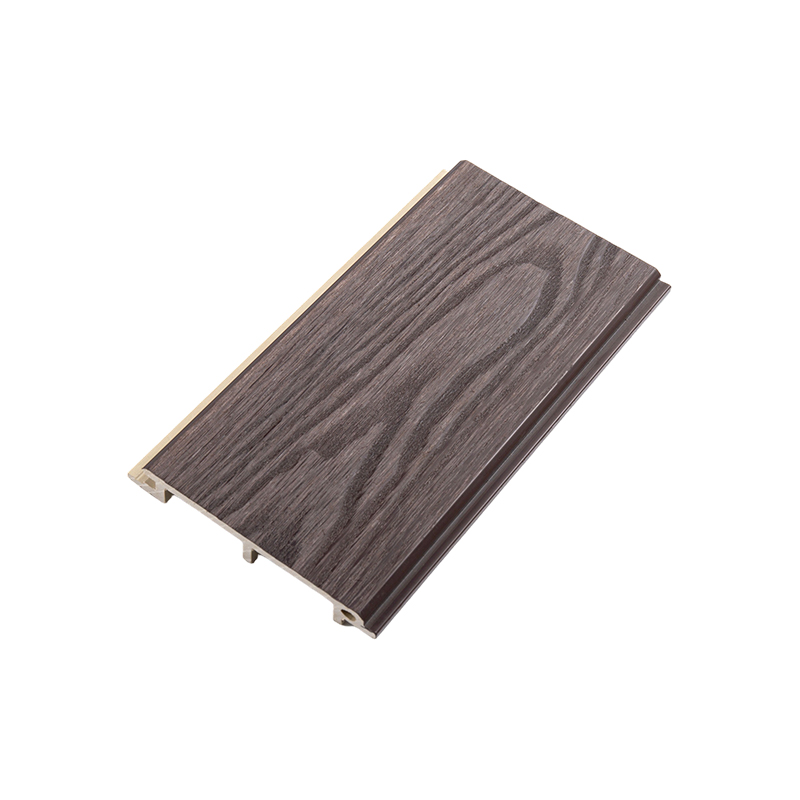
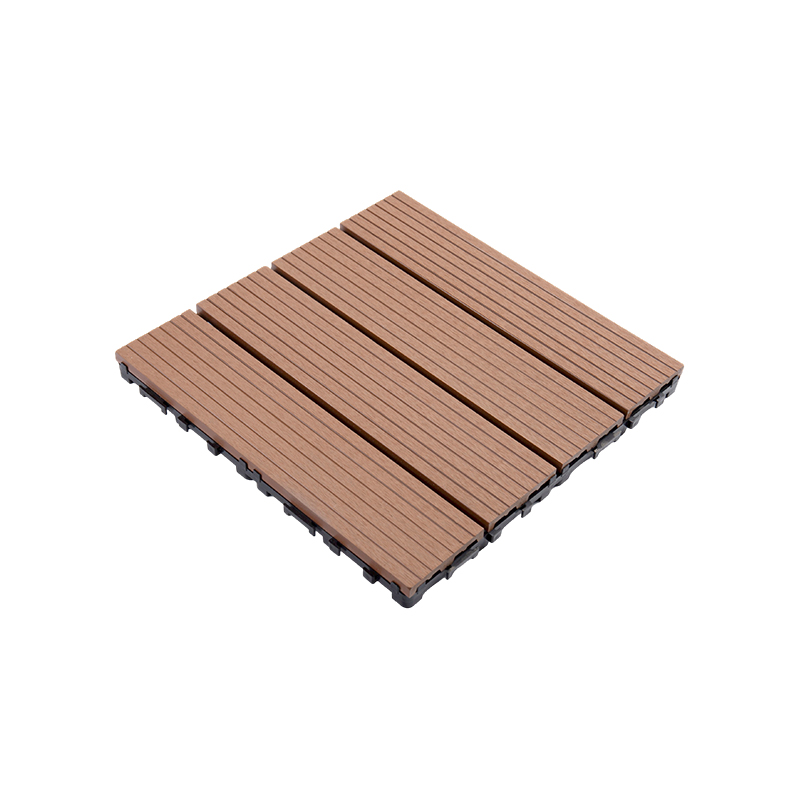
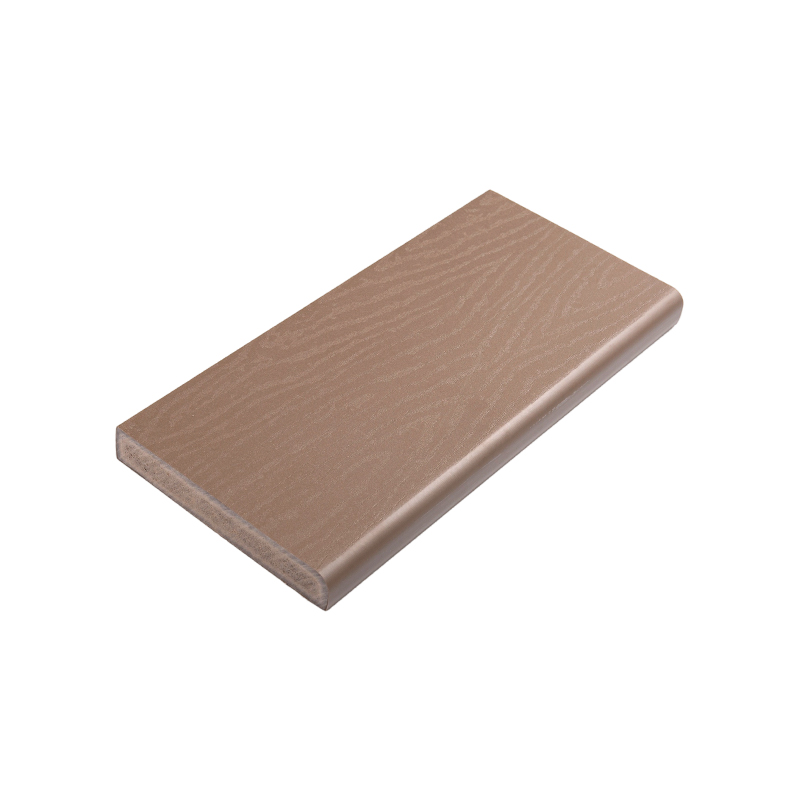
This kind of material mixes plant fiber and polymer materials, which makes up for the defects of pure wood. Quality wood-plastic deck boards do not rot, absorb water or breed insects, and almost do not need paint maintenance. The surface can be made into anti-slip lines in various styles, with rich color choices. It is widely used in outdoor decks, garden paths and waterside platforms, and has become a mainstream choice for modern outdoor decoration.
Modified Wood Deck Boards
Through physical or chemical modification technology, the internal structure of wood is optimized to enhance its stability. It retains the natural texture of wood while greatly improving moisture resistance and deformation resistance. Its maintenance work is less than ordinary solid wood, and the overall performance is balanced, suitable for users who love wood texture and want to reduce maintenance work.
Practical Tips for Selecting Quality Deck Boards
- Check the surface finish first. High-quality deck boards have smooth and uniform surfaces without rough burrs, cracks or obvious color differences. The anti-slip lines are neat and consistent across the whole board.
- Test the hardness and toughness. Gently knock the board surface; qualified products produce a solid sound, not a hollow or brittle sound. Slight bending will not cause permanent deformation or fracture.
- Focus on environmental performance. Quality deck boards use harmless raw materials and surface coatings, releasing no peculiar smell or harmful substances, safe for long-term outdoor use around living areas.
- Match materials according to the usage environment. Choose materials with stronger waterproof performance for areas near pools, lakes or rainy regions; select color-stable types for places exposed to strong sunlight all year round.
Do not simply judge quality by appearance and price alone. Some low-priced products look similar to high-quality ones at first glance, but their internal materials and processing technology are far behind. After installation for one or two years, problems such as fading, warping and mildew will appear one after another, bringing higher replacement and maintenance costs in the later stage.
Daily Maintenance to Protect Quality Deck Boards
Even the best quality deck boards need basic daily maintenance to maintain their performance and appearance. Scientific maintenance can effectively prolong their service life and keep the deck in good condition all the time.
Regular Cleaning Work
Sweep away fallen leaves, dust and debris on the board surface regularly to prevent dirt from accumulating and blocking gaps. For stubborn stains, use neutral detergent and soft tools to clean, avoid using strong corrosive chemicals or hard sharp tools to scratch the surface protective layer.
Timely Drainage and Ventilation
Keep the gaps between deck boards unobstructed to ensure smooth water drainage after rain. Good ventilation under the deck can reduce the humidity around the boards, effectively preventing mildew and rot. Do not pile heavy objects for a long time on a single area of the deck to avoid local deformation.
Periodic Inspection and Repair
Check the connection parts and board surface every year. If individual boards have minor damage or loose fixing parts, repair and adjust them in time to prevent small problems from expanding and affecting the overall structure of the deck. For solid wood deck boards, carry out supplementary sealing and painting work on schedule to reinforce the protective layer.

An interior and exterior panel company dedicated to the environmental protection technology research of recyclable materials.
Address
- No. 18, Dexing Road, West District, Guangde Economic Development Zone, Xuancheng City, Anhui Province, China
Quick Menu
Get in Touch
Copyright ©Anhui Airuites New Material Co.,Ltd. All Rights Reserved. Privacy Custom Recyclable Indoor And Outdoor Panels Manufacturer
