
 English
 中文简体
 Español
Industry News
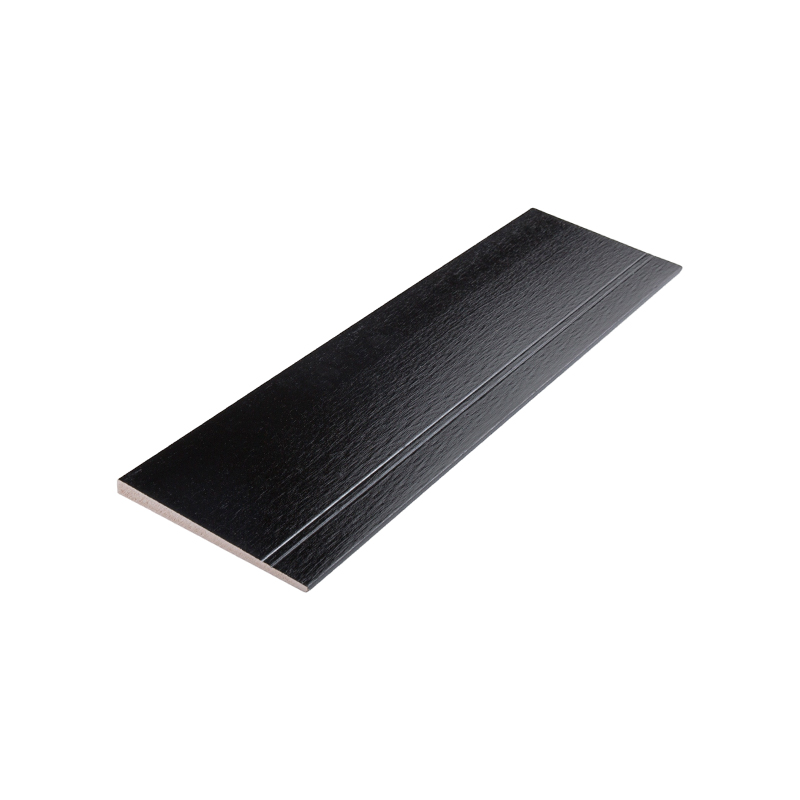
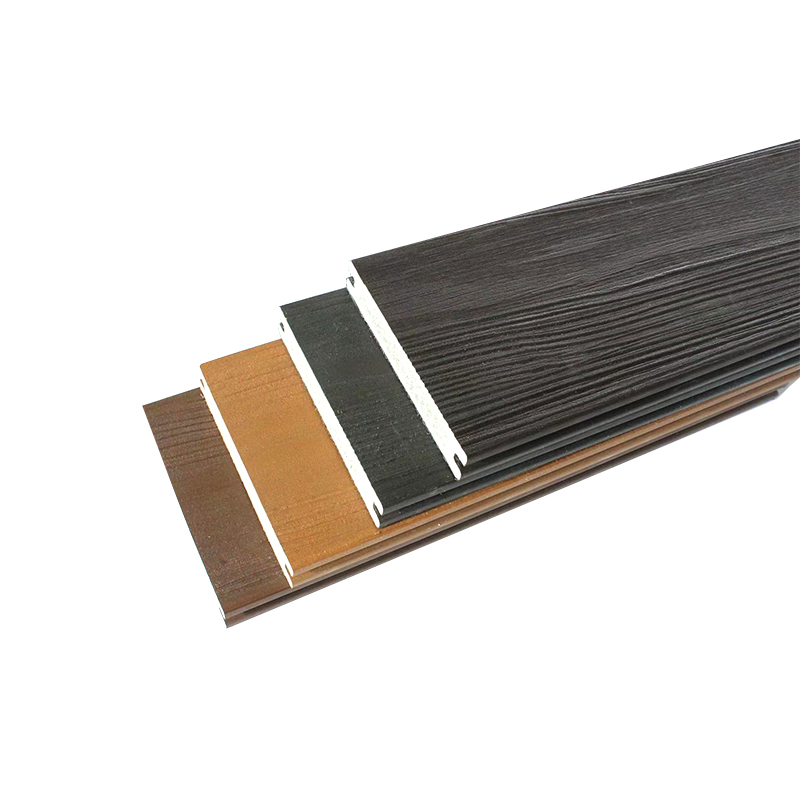 ASA Armor Series Covered Flooring for Outdoor DecksCapped PVC/ASA decking with wood-grain texture and UV-resistant ASA layer, suited to sunny high-traffic outdoor decks.View Product →
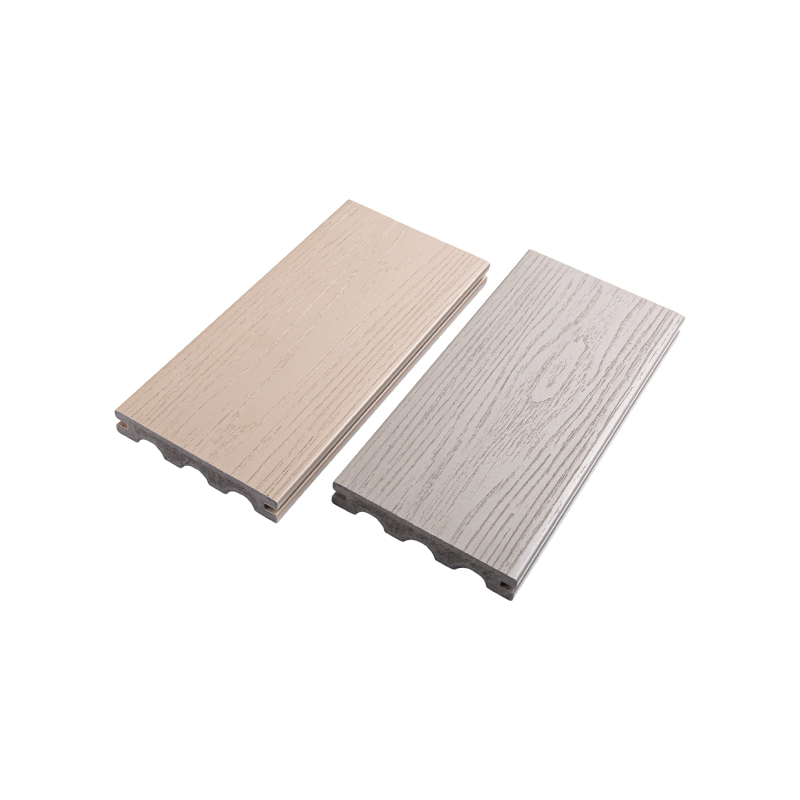
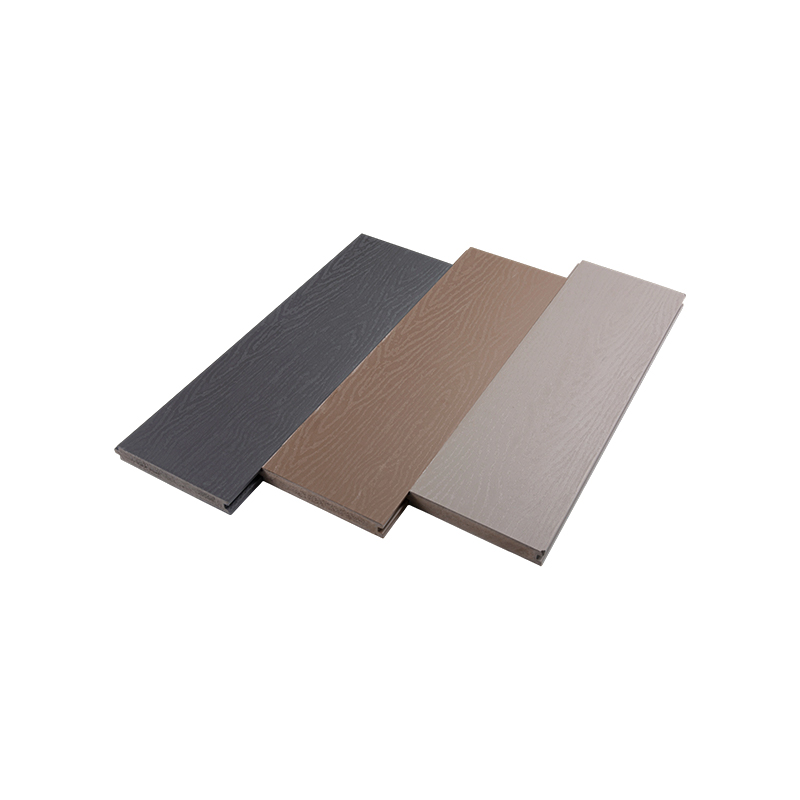 Double Armor Full-Solid Series Porch Floor DeckingFull-solid PVC/ASA porch flooring with concave-convex profile for drainage at high-traffic entrances, landings, and stair edges.View Product →
Is PVC Decking Better Than Wood? A Practical Comparison Guide for Buyers
Content
- 1 Where PVC Decking Clearly Beats Wood Over Time
- 2 Which Material Fits Your Project? A Quick Reference
- 3 PVC Decking Is Not One Product: Three Constructions You Should Recognise
- 4 Four Checks Before You Buy
- 5 Installation and Framing: Small Details Decide the Result
- 6 The Cost Question, Measured Over Years Instead of One Weekend
- 7 Frequently Asked Questions
- 8 Reference Sources
Short answer: for most outdoor residential decks, PVC decking is the better long-term choice than wood, provided you compare a capped or solid PVC board against a natural wood deck. PVC does not rot, does not feed termites, holds its colour without annual sealing, and cleans up with soap and water. Wood gives back two real advantages: the lowest upfront material price, and the feel and appearance of genuine timber.
The comparison only gets complicated when the boards are not equivalent. A thin hollow PVC profile and a low-grade softwood plank can both be sold as decking and behave nothing alike, and the same is true when a cheap uncapped board is stacked against a premium hardwood. The sections below separate the cases where PVC is clearly ahead from the ones where wood is still the sensible purchase.
Where PVC Decking Clearly Beats Wood Over Time
Maintenance and replacement cycles are where PVC earns its price. A wood deck is a recurring commitment; a PVC deck is mostly a cleaning task.
| What you are comparing | PVC decking | Natural wood decking |
|---|---|---|
| Moisture and rot | No water absorption, no rot, no swelling at cut edges | Swelling, cupping and eventual rot once water reaches the end grain |
| Insects and fungal decay | Not a food source, no chemical treatment required | Needs treated or naturally resistant species, and decay risk stays |
| Annual upkeep | Soap, water and an occasional rinse | Cleaning plus re-staining or sealing every few seasons |
| Surface condition | No splinters or raised grain, texture stays uniform | Splinters, checks and raised grain develop over the years |
| Colour retention | Pigment runs through the board, capped faces resist UV fade | Weathers to grey and needs re-staining to hold colour |
| Movement and fasteners | Expands and contracts with temperature, so clip allowance matters | More dimensionally stable, although fasteners can work loose |
| Upfront material cost | Higher per square foot | Lower per square foot |
| Service life with minimal input | Long, with almost no intervention | Shorter unless maintained on schedule |
The trade is simple in practice: wood asks for time and money every few seasons, PVC asks for more money once. Capped boards also hold their colour longer, and a closer look at how durable ASA outdoor PVC decking is compared with wood shows how much of that gap comes down to the surface layer rather than the plastic core. If you plan to keep the property for several years, or you are finished with scraping and re-staining, the balance usually tips to PVC.
Which Material Fits Your Project? A Quick Reference
Most buying decisions come down to a handful of site conditions. Find yours below.
Humid, coastal or rainy site
PVC, capped or solid. Wood rots first at end grain and around fasteners.
Tightest possible upfront budget
Wood. It costs less per square foot, and the saving is repaid in maintenance hours.
Rental property or quick resale
PVC. There is no staining schedule to forget and no soft board to explain to a buyer.
Full sun and barefoot traffic
Lighter tones in PVC or wood. Texture decides grip more than colour does.
Freeze-thaw winters
Full-solid PVC. Moisture cycling, not the finish, is the deciding factor.
Heritage look or a stained finish
Wood, or a multi-tonal capped PVC if you want the look without the upkeep.
Notice how few of these cards point to wood. Wood is not a poor material; it is a material with a maintenance contract attached. Accept the contract and it performs well for decades. Skip it and the deck tells you about it within two or three seasons.
PVC Decking Is Not One Product: Three Constructions You Should Recognise
Two products can both be labelled PVC and behave completely differently. The core construction decides how a board handles moisture, heat and load, so check that before you fall for a grain pattern or a colour name.
Full-solid PVC
PVC from the face to the core. The heaviest of the three, the stiffest underfoot, and the most predictable when a load lands on a small area. Cut edges expose the same material you see on the surface.
Best for porches, landings and stairsCo-extruded capped PVC
A core board with a dense outer cap, often an ASA or acrylic-alloy layer. The cap carries the pigment and the UV protection, so it resists fading, staining and surface scratching better than an uncapped profile.
Best for sun-exposed, high-traffic decksWood-plastic composite
Wood fibre blended into plastic. It reads closer to timber and feels slightly softer underfoot, but the fibre content means it can take on a little moisture, so cleaning and drying matter more.
Best for shaded decks and a warmer lookFor a sunny, high-traffic deck, a capped board is usually the best balance of price and long-term appearance. The ASA Armor series covered flooring is a representative example of that approach, pairing a PVC core with a weather-facing ASA layer that carries the pigment and the UV protection.
ASA Armor Series Covered Flooring for Outdoor DecksCapped PVC/ASA decking with wood-grain texture and UV-resistant ASA layer, suited to sunny high-traffic outdoor decks.View Product →Four Checks Before You Buy
Run through these four steps before you order anything, and most of the disappointing outcomes disappear.
- 1
Check the span, not the colour
A board only works if the frame underneath works. PVC is more flexible than wood of the same profile, so follow the supplier's span table for joist spacing instead of copying an old wood deck layout.
- 2
Choose the construction first
Decide between capped, full-solid and wood-plastic composite before comparing surfaces. The core governs moisture, heat and point loads; the finish only governs how the deck looks on day one.
- 3
Plan for movement
PVC expands and contracts noticeably with temperature swings. Use the specified clips, leave the end gaps the maker asks for, and never pin boards tight against walls, posts or each other.
- 4
Price the whole deck
Boards are only part of the invoice. Add joists, fasteners, fascia, stair treads, edge trim and the weekends you would otherwise spend maintaining wood.
Installation and Framing: Small Details Decide the Result
Framing rules change less than most people expect. Joists, blocking, flashing and drainage follow the same principles whether the surface is wood or PVC. What changes is tolerance. PVC boards move more with temperature, so face-screwing them tight is the quickest way to create wavy lines and popped fasteners a season later. Hidden clip systems, including installation buckles matched to the board profile, let each plank slide as it expands while holding a consistent gap.
Porches, landings and other high-traffic edges deserve a different answer, because point loads and grip matter more than appearance there. Full-solid boards handle concentrated loads better than hollow profiles, which is why a full-solid porch floor is a common specification for entrance areas and stair landings.
Double Armor Full-Solid Series Porch Floor DeckingFull-solid PVC/ASA porch flooring with concave-convex profile for drainage at high-traffic entrances, landings, and stair edges.View Product →
Stairs take the most direct wear of any part of the structure. Covered treads with a textured or grooved surface hold grip in wet weather, and they protect the plank edge where shoes make contact most often. Match the tread material to the decking so colour and thermal movement stay consistent across the whole build.
The Cost Question, Measured Over Years Instead of One Weekend
Board price is the number everyone compares and the least useful one. A fair comparison spreads the following across a decade of ownership:
- Material: boards, joists, fasteners, trim, fascia and stair treads, priced per square foot of finished deck.
- Labour: contractor days or DIY weekends, plus the extra fitting time a clip system adds on the first install.
- Maintenance: cleaning, re-staining or sealing every few seasons, deck cleaners, and replacing split or checked boards.
- Risk: rot repairs, loose fasteners and the cost of discovering a soft joist under a finished surface.
Wood starts cheaper and drifts upward as maintenance accumulates. PVC starts higher and stays almost flat. Once refinishing labour is counted at a realistic hourly rate, the gap usually closes within the first several seasons, and a deck that never needs sanding tends to appeal to buyers who do not want a project on their hands.
Frequently Asked Questions
Is PVC decking better than wood in hot climates?
It still holds its advantages, because UV and moisture are wood's main enemies, but two PVC drawbacks grow in the heat: darker boards get hot underfoot, and thermal movement increases, so clip spacing and end gaps matter more. A light colour with a textured surface solves most of it.
Does PVC decking look like plastic?
Flat boards from earlier generations did. Current embossed, brushed and multi-tonal profiles read much closer to timber from standing height, though a knock or a very close look still gives it away. Buyers who want a perfect wood grain usually stay with real wood.
Can PVC boards go onto an existing wood frame?
Often yes, if the frame is sound, dry and correctly spaced. Check the span table for the new board, replace any soft or undersized joists, and re-flash the ledger before laying planks.
How slippery is PVC decking when wet?
Smooth surfaces can be slick. Textured finishes, grooved profiles and a matte cap layer all improve grip, and stairs benefit most from a dedicated anti-slip tread.
What maintenance does a PVC deck actually need?
Soap, water and a soft brush handle most marks. Avoid aggressive solvents, metal scrapers and pressure-washer tips held close to the surface, since they dull the texture that provides grip.
Reference Sources
- ASTM International published test method documentation for decking products
- ISO 9001 quality management system documentation
- North American decking manufacturer warranty literature
- Residential building code span tables for deck framing

An interior and exterior panel company dedicated to the environmental protection technology research of recyclable materials.
Address
- No. 18, Dexing Road, West District, Guangde Economic Development Zone, Xuancheng City, Anhui Province, China
Quick Menu
Get in Touch
Copyright ©Anhui Airuites New Material Co.,Ltd. All Rights Reserved. Privacy Custom Recyclable Indoor And Outdoor Panels Manufacturer
