
 English
 中文简体
中文简体 Español
Industry News
How to Install WPC Panels for Long-Lasting Interior and Exterior Walls?
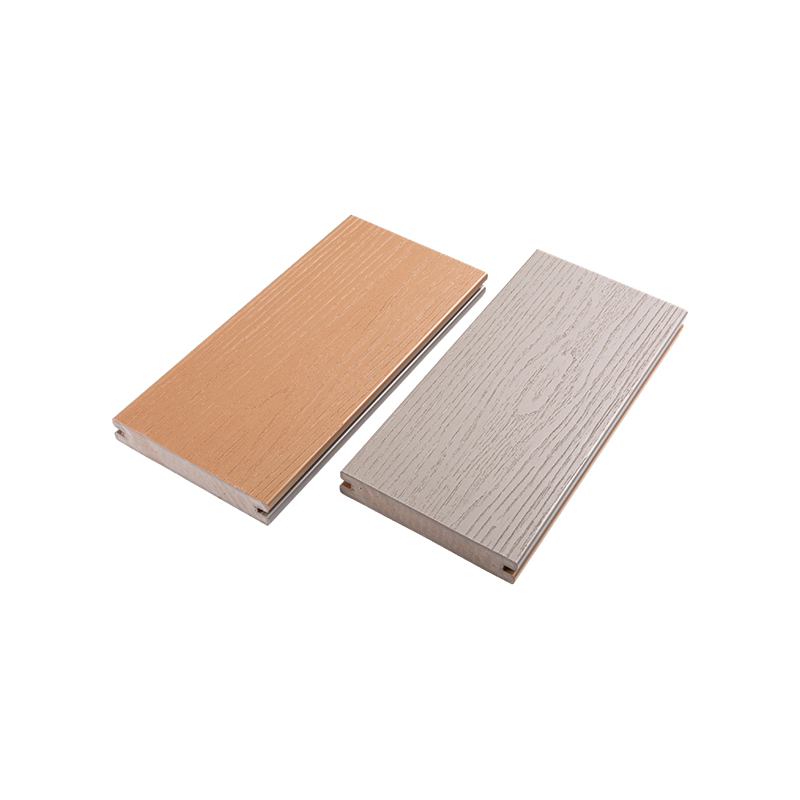
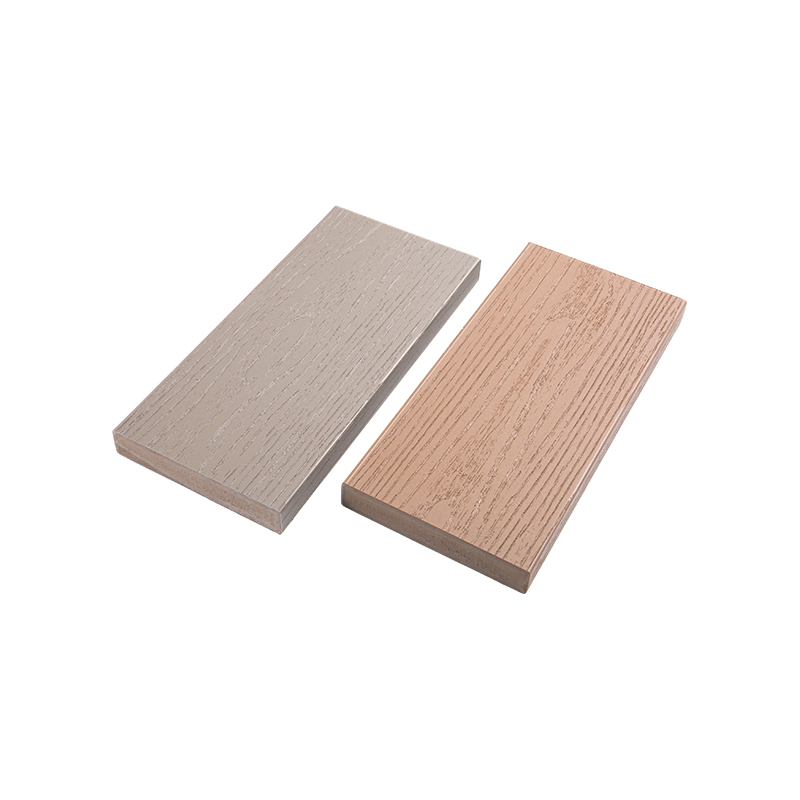
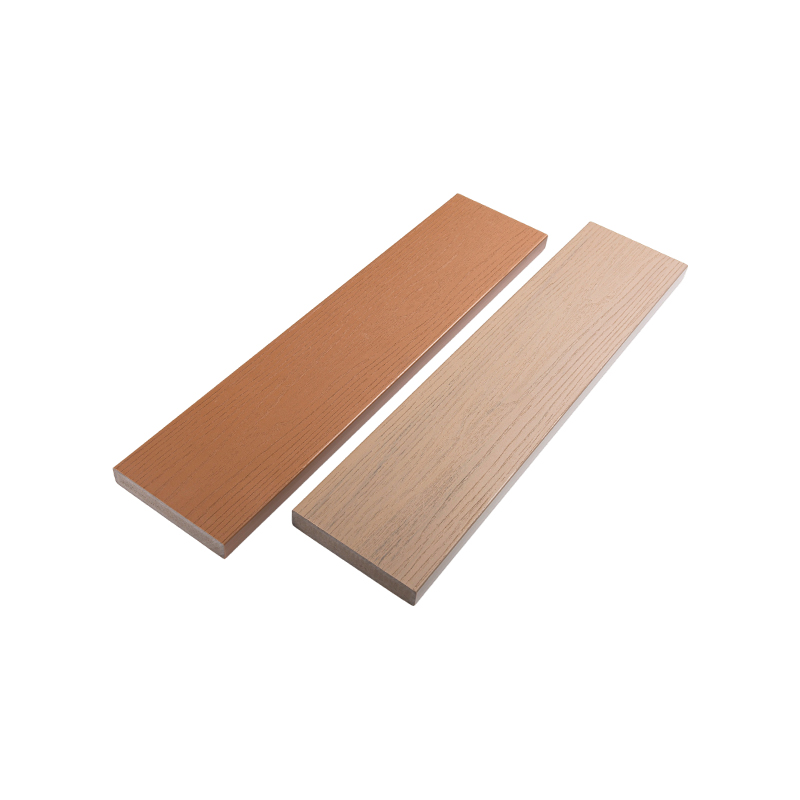
WPC panels represent the ultimate solution for modern construction and interior design, seamlessly blending the aesthetic warmth of natural wood with the robust durability of synthetic polymers. For any residential or commercial project seeking a low-maintenance, highly durable, and eco-friendly material, WPC (Wood Plastic Composite) panels deliver unmatched long-term value. They effectively eliminate the primary drawbacks of traditional timber, such as rotting, warping, and termite damage, while providing a structurally sound and visually appealing finish that stands the test of time.
The growing shift toward sustainable building materials has pushed WPC panels to the forefront of architectural innovation. By utilizing recycled wood fibers and plastic polymers, these panels significantly reduce deforestation and plastic waste. Beyond their environmental impact, their practical advantages in moisture resistance and structural stability make them a definitive choice for builders and homeowners who prioritize both form and function.
Understanding the Composition of WPC Panels
To truly appreciate the capabilities of WPC panels, one must understand their fundamental composition. These panels are engineered through a meticulous extrusion process that binds wood fibers with thermoplastics. This synergy creates a material that is neither purely wood nor purely plastic, but a superior composite that borrows the best traits from both components.
The Raw Materials
The primary ingredients in a standard WPC panel include wood flour or wood fibers, which typically constitute a significant portion of the blend. These natural elements provide structural rigidity and the authentic visual texture of wood. The remaining composition consists of thermoplastic resins, such as polyethylene or polyvinyl chloride. These plastics act as a binding agent that encapsulates the wood fibers, shielding them from environmental stressors.
- Wood flour provides structural strength and a natural aesthetic appearance.
- Thermoplastic resins offer moisture resistance and structural flexibility.
- Chemical additives enhance UV resistance and prevent color fading over time.
- Coupling agents improve the bonding between the wood and plastic layers.
Key Advantages Over Traditional Materials
When comparing WPC panels to conventional building materials like solid wood, MDF, or pure plastic siding, the advantages become immediately apparent. Traditional wood requires rigorous, ongoing maintenance to prevent environmental degradation, whereas pure plastics often lack the structural integrity and visual warmth desired for high-end finishes. WPC panels bridge this gap perfectly, offering a balance that traditional materials simply cannot match.
Exceptional Moisture and Termite Resistance
One of the most significant downfalls of natural wood is its susceptibility to moisture and pest infestations. Wood naturally absorbs water, leading to swelling, warping, and eventually rot. Furthermore, it serves as a food source for termites and other wood-boring insects. WPC panels, however, are inherently resistant to these threats. The plastic component encapsulates the wood fibers, preventing water absorption. Because the wood is sealed within the polymer matrix, it no longer provides a viable food source for insects, ensuring a much longer lifespan in humid or termite-prone regions.
Structural Stability and Longevity
Unlike natural timber, which expands and contracts dramatically with fluctuating temperatures and humidity levels, WPC panels maintain remarkable structural stability. This resistance to environmental shifting means that installations remain tight and secure over decades, without the cracking, splitting, or warping commonly seen in traditional wood applications. This dimensional stability directly translates to lower replacement costs and less frequent repairs over the building's lifecycle.
Primary Applications in Modern Design
The versatility of WPC panels allows them to be utilized across a broad spectrum of architectural applications. Their ability to withstand harsh outdoor conditions while maintaining an elegant indoor aesthetic makes them a highly adaptable material for various project scopes.
Exterior Cladding and Facades
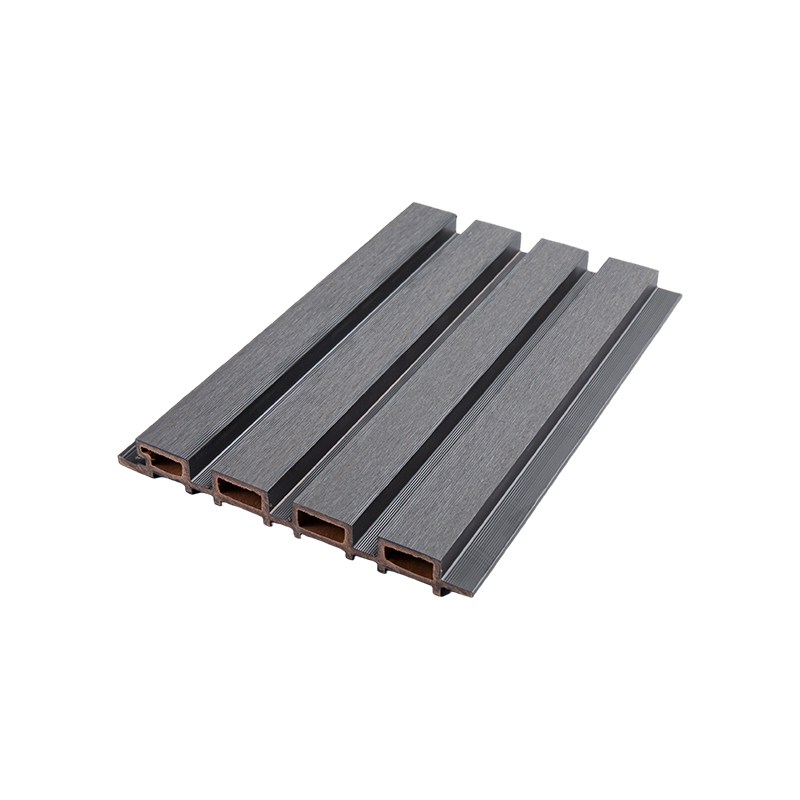
In exterior applications, WPC panels are predominantly used for building cladding and facades. They provide a striking, natural wood appearance to the building's exterior without requiring the relentless staining or sealing associated with real timber. The panels protect the underlying structure from wind, rain, and UV radiation, while their breathability allows trapped moisture to escape, preventing mold growth within the wall assembly.
Interior Wall Decoration and Ceilings
Inside the home or commercial space, WPC panels are increasingly popular for accent walls, full-room wall paneling, and drop ceilings. They bring a warm, organic texture to living spaces, offices, and hospitality environments. Because they are easy to clean and resist stains, they are particularly well-suited for high-traffic areas or spaces that require strict hygiene standards, such as commercial kitchens or medical facilities.
Performance Comparison: WPC vs. Traditional Wood
To better understand the practical differences between WPC panels and traditional wood, the following table outlines their performance across critical factors commonly evaluated during the material selection process.
| Performance Factor | WPC Panel | Traditional Wood |
|---|---|---|
| Water Resistance | Highly Resistant | Highly Absorbent |
| Termite Vulnerability | Immune | Highly Susceptible |
| Maintenance Requirement | Very Low | High (sanding, sealing) |
| Dimensional Stability | Excellent | Prone to warping |
| Environmental Impact | Utilizes recycled content | Requires tree harvesting |
Installation Guidelines for WPC Panels
Proper installation is critical to maximizing the lifespan and visual appeal of WPC panels. While these panels are designed for user-friendly installation, adhering to specific best practices ensures a flawless finish and maintains the structural warranty of the product. The installation process varies slightly depending on whether the panels are being applied to an exterior facade or an interior wall.
Essential Preparation Steps
Before securing any panels, the substrate must be adequately prepared. The surface should be clean, dry, and structurally sound. For exterior applications, a weather-resistant barrier is typically installed over the sheathing before attaching the panel framework. It is also crucial to allow the WPC panels to acclimate to the local temperature and humidity levels for a brief period before installation, which minimizes any minor dimensional changes post-installation.
Fastening and Spacing Techniques
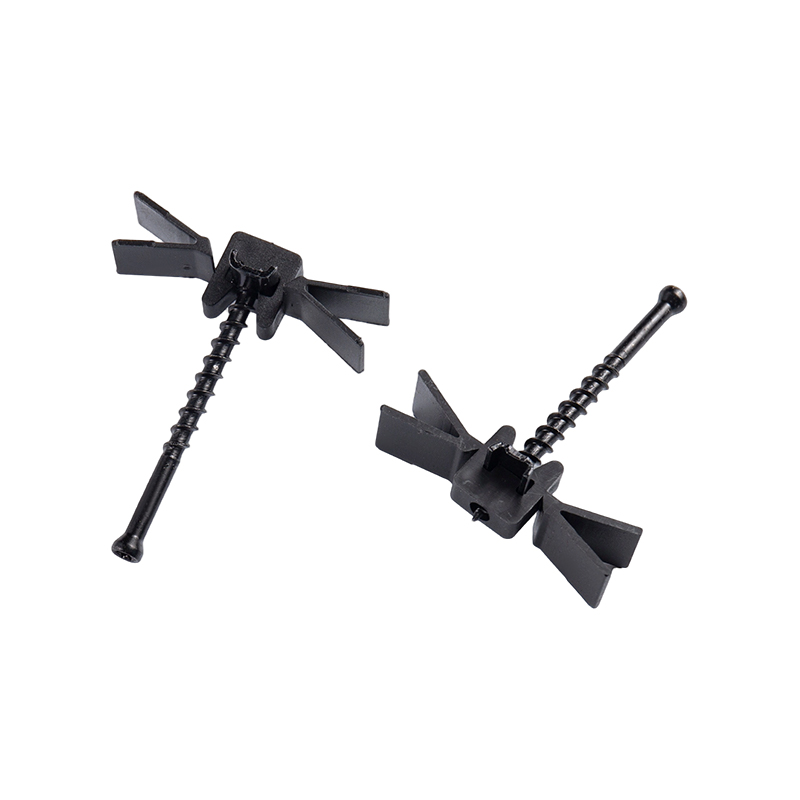
WPC panels expand and contract slightly with temperature variations. Therefore, proper spacing is essential to prevent buckling. Installers must leave specific expansion gaps at the joints and where the panels meet adjoining walls or fixtures. Hidden fastener systems are highly recommended as they provide a clean, unblemished surface while allowing the natural movement of the material. If face-fastening is necessary, specialized screws with countersunk heads should be used to prevent mushrooming of the composite material around the screw head.
- Ensure the wall substrate is entirely flat and free of debris or protrusions.
- Install a breathable weather barrier on exterior wall assemblies.
- Construct a level wooden or metal battening framework for the panels to attach to.
- Acclimate the WPC panels on-site prior to cutting and securing them.
- Use hidden clip fasteners and maintain appropriate expansion gaps at all joints.
Maintenance and Cleaning Best Practices
Although WPC panels are celebrated for their low-maintenance nature, they are not entirely maintenance-free. Routine care ensures that the panels retain their original color and texture for decades. The maintenance regimen for WPC is vastly less labor-intensive than the scraping, sanding, and staining required by traditional wood.
Routine Cleaning
For routine upkeep, a simple rinse with a garden hose is usually sufficient to remove dust and loose dirt from exterior cladding. For interior panels, wiping the surface with a damp cloth or a mild soap solution will keep the finish looking pristine. It is important to avoid abrasive scrubbing pads or harsh chemical solvents, as these can permanently scratch the surface or degrade the protective polymer layer.
Addressing Stubborn Stains
Occasionally, exterior panels may develop stains from organic matter, such as fallen leaves or bird droppings, which can cause tannin stains if left unattended. These should be cleaned promptly using a soft-bristled brush and a specialized composite deck cleaner or a diluted household degreaser. Gently scrubbing the affected area along the grain of the panel will lift the stain without damaging the surrounding material, preserving the aesthetic integrity of the installation.

An interior and exterior panel company dedicated to the environmental protection technology research of recyclable materials.
Address
- No. 18, Dexing Road, West District, Guangde Economic Development Zone, Xuancheng City, Anhui Province, China
Quick Menu
Get in Touch
Copyright ©Anhui Airuites New Material Co.,Ltd. All Rights Reserved. Privacy Custom Recyclable Indoor And Outdoor Panels Manufacturer
