
 English
 中文简体
中文简体 Español
Industry News
What benefits does outdoor cladding bring to buildings?
Outdoor cladding is a functional exterior wall covering system for buildings, and it plays a dual role in decoration and protection. Properly installed outdoor cladding can effectively slow down wall damage, improve indoor comfort and enhance building aesthetics, and it is a cost-effective solution for both new construction and old building renovation. When choosing and using outdoor cladding, priority should be given to local climate conditions, building usage and long-term durability, rather than only focusing on visual effects. A well-matched cladding system can serve buildings steadily for decades while lowering daily maintenance costs.
Basic Introduction to Outdoor Cladding
Outdoor cladding is different from traditional wall paint and simple decorative panels. It is a complete exterior finishing structure fixed on the outer surface of building walls, which does not bear the main load of the building. Its basic design logic is to isolate the original wall from the external natural environment, and form a protective barrier between the building and wind, rain, sunlight and temperature changes. This kind of building accessory is widely used in residential houses, office buildings, retail venues, public facilities and other architectural scenes around the world.
Main Application Scenarios
- Residential buildings, including single-family homes, townhouses and apartment buildings, to upgrade exterior appearance and protect walls.
- Commercial buildings such as shopping areas and office parks, to create a unified brand style and reduce building operation consumption.
- Public facilities like community centers and leisure venues, which require stable performance and low maintenance requirements.
- Industrial buildings, where outdoor cladding needs to resist dust, slight corrosion and frequent temperature changes.
Core Advantages of Outdoor Cladding
The popularity of outdoor cladding comes from its multiple practical advantages. Many field surveys show that buildings equipped with standard outdoor cladding perform far better than ordinary exterior walls in long-term use. These advantages cover protection, energy saving, aesthetics and economy, and can bring continuous value to building owners.
Strong Wall Protection Performance
Exterior walls are exposed to harsh outdoor conditions all year round. Ultraviolet radiation will fade and crack wall surfaces, rainwater will seep into wall structures and cause mildew and peeling, and strong wind will erode loose wall layers. High-quality outdoor cladding can block more than 90% of direct ultraviolet rays and prevent rainwater from penetrating into the original wall. It greatly reduces the probability of wall hollowing, cracking and water leakage, and avoids frequent large-scale wall repairs. For areas with heavy rainfall or strong sunlight, this protective effect is particularly prominent.
Excellent Thermal Insulation and Energy Saving Effect
Most outdoor cladding materials have natural thermal insulation properties. There is usually a certain gap between the cladding panel and the original wall, which forms a breathable thermal insulation layer. In hot seasons, it blocks external heat from entering the room; in cold seasons, it locks indoor heat and reduces heat loss. This stable temperature adjustment effect can effectively reduce the working frequency of indoor temperature control equipment, and realize energy saving throughout the year.
Rich Aesthetic Expression
Outdoor cladding has diverse styles, textures and colors, which can completely change the overall style of a building. Whether pursuing a simple modern style, natural rustic style or elegant classic style, there are matching cladding solutions. Unlike paint which is prone to color fading, most cladding materials maintain stable color and texture for a long time, keeping the building's exterior neat and beautiful for many years.
Low Long-term Maintenance Cost
Traditional exterior walls need repainting and repairing every few years, which costs time and money. Outdoor cladding with reliable quality has strong stain resistance and weather resistance. Daily cleaning only needs simple water flushing, and it does not require frequent renovation and repair. From the perspective of long-term use, it can effectively cut the overall maintenance expenditure of buildings.
Common Types of Outdoor Cladding Materials
Different cladding materials differ greatly in performance, texture and applicable scenarios. Choosing the right material is the key to ensure the service effect and service life of outdoor cladding. Combined with practical use experience, mainstream materials can be classified according to material characteristics, and each type has its own applicable environment and advantages.
| Material Type | Weather Resistance | Thermal Insulation | Main Application |
|---|---|---|---|
| Wood Composite Panels | Good | Excellent | Residential Buildings |
| Fiber Cement Boards | Very Good | Medium | Commercial & Public Buildings |
| Metal Panels | Excellent | Medium | Industrial & Modern Buildings |
| Stone Veneer | Excellent | Good | High-end Commercial Spaces |
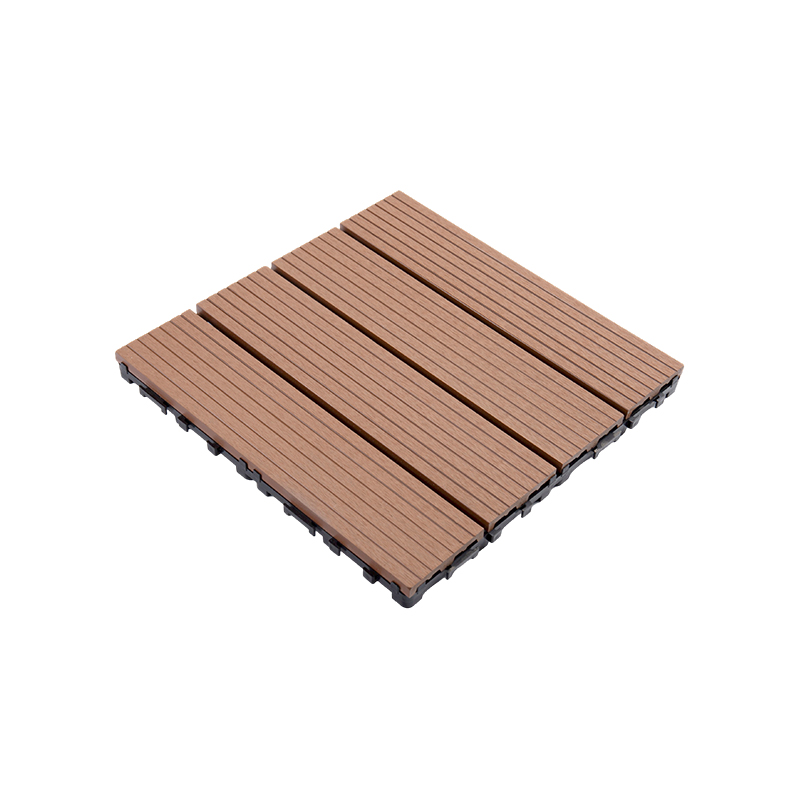
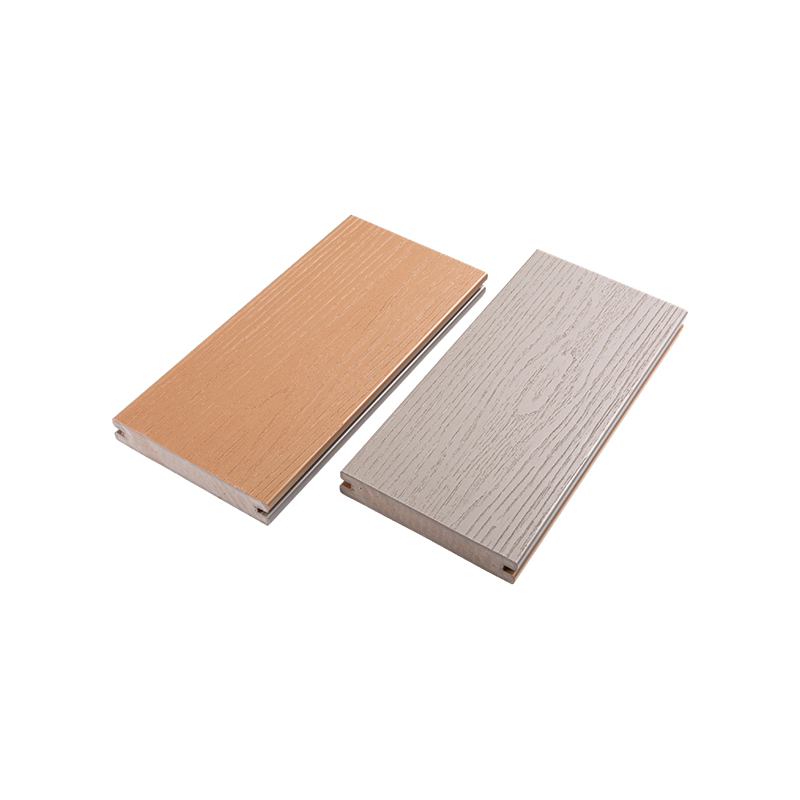
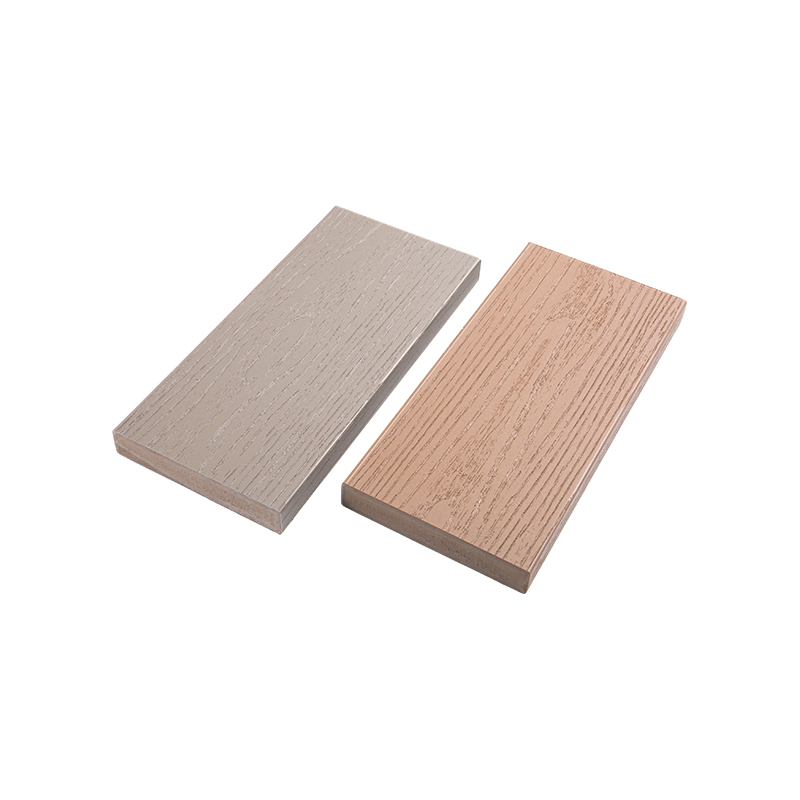
Wood Composite Cladding
This kind of material blends natural wood texture with synthetic materials, retaining the warm visual feeling of wood while overcoming the defects of pure wood such as easy decay and deformation. It has outstanding thermal insulation effect, comfortable appearance, and is widely loved in residential building renovation. It is suitable for areas with mild climate, and regular surface maintenance can further extend its service life.
Fiber Cement Cladding
Fiber cement board is a mature and stable building material, with strong anti-aging, fireproof and waterproof capabilities. Its texture is simple and neat, and the overall style is versatile. It is not easily affected by extreme weather, so it is often used in public buildings and ordinary commercial buildings that require high safety and stability. The installation process is standardized, and the overall construction cycle is relatively short.
Metal Cladding
Metal cladding features super strong weather resistance and impact resistance, and can adapt to all kinds of harsh outdoor environments. The surface treatment technology makes it anti-rust and anti-fading, and the shape design is flexible, which can create a strong modern industrial style. It is mostly used in industrial buildings, large commercial venues and architectural parts that need anti-collision protection.
Stone Veneer Cladding
Made of thin natural stone materials, it has a high-grade texture and strong durability. It has excellent compression resistance and weather resistance, and can keep the appearance unchanged for a long time. Due to its own weight and material characteristics, it is mostly applied to high-end commercial buildings and landmark buildings, pursuing both grade and long-term use stability.
Key Points for Selecting Outdoor Cladding
To select suitable outdoor cladding, it is necessary to combine multiple factors for comprehensive judgment, instead of blindly choosing styles or prices. Reasonable selection can ensure that the cladding can exert its maximum performance and avoid problems such as short service life and poor use experience in the later stage.
Match Local Climate Conditions
Climate is the primary consideration. In areas with much rain and high humidity, priority should be given to materials with strong waterproof and anti-mold performance. In regions with strong ultraviolet rays all year round, materials with anti-fading and anti-aging capabilities are more suitable. For places with large temperature differences between seasons, materials with stable physical properties should be selected to prevent expansion and contraction deformation.
Combine Building Usage Needs
Different buildings have different focus demands. Residential buildings pay more attention to thermal insulation, comfort and natural appearance; commercial buildings focus on overall image and safety performance; industrial buildings require impact resistance and corrosion resistance. Clarifying the core demand of the building can quickly narrow down the scope of material selection and improve the matching degree.
Assess Installation and Maintenance Difficulty
Some cladding materials have high requirements for installation technology, and irregular construction will directly affect the use effect. Meanwhile, consider the later maintenance work. If there is no special maintenance team for the building, choose materials that are easy to clean and do not need frequent repair. Balancing installation difficulty and maintenance cost is an important part of long-term cost control.
Focus on Structural Safety
The weight of cladding materials and fixing methods will affect the safety of the building exterior. For high-rise buildings, avoid using too heavy cladding materials to reduce the load of the wall. All selected materials and installation accessories need to meet basic building safety standards to eliminate hidden dangers caused by falling off and loosening.
Daily Maintenance Tips for Outdoor Cladding
Good daily maintenance can effectively prolong the service life of outdoor cladding and keep its appearance and performance stable. The maintenance work of outdoor cladding is not complicated, and regular simple care can avoid most common faults.
- Carry out regular surface cleaning. Use clean water and soft tools to wash away surface dust and stains every period of time. Do not use strong corrosive detergents to avoid damaging the surface protective layer.
- Check the fixing parts regularly. Observe whether the panels are loose, displaced or the connecting parts are rusted. Deal with small problems in time to prevent them from expanding into larger faults.
- Repair damaged parts timely. When local cracking, scratching or peeling occurs, carry out partial repair according to the material characteristics, so as to prevent rainwater from penetrating inward along the damaged position.
- Do not arbitrarily drill or modify the cladding surface. Random transformation will destroy the overall protective structure and waterproof layer, affecting the overall performance.
- Do a comprehensive inspection before extreme weather such as heavy rain and strong wind, and reinforce the weak parts to resist the impact of bad weather.
In general, outdoor cladding is a practical and functional exterior wall solution. From material selection, standard installation to daily maintenance, every link is related to its final use effect. Mastering relevant knowledge can help users make more rational decisions when renovating building exteriors, and let outdoor cladding create lasting value for buildings.

An interior and exterior panel company dedicated to the environmental protection technology research of recyclable materials.
Address
- No. 18, Dexing Road, West District, Guangde Economic Development Zone, Xuancheng City, Anhui Province, China
Quick Menu
Get in Touch
Copyright ©Anhui Airuites New Material Co.,Ltd. All Rights Reserved. Privacy Custom Recyclable Indoor And Outdoor Panels Manufacturer
